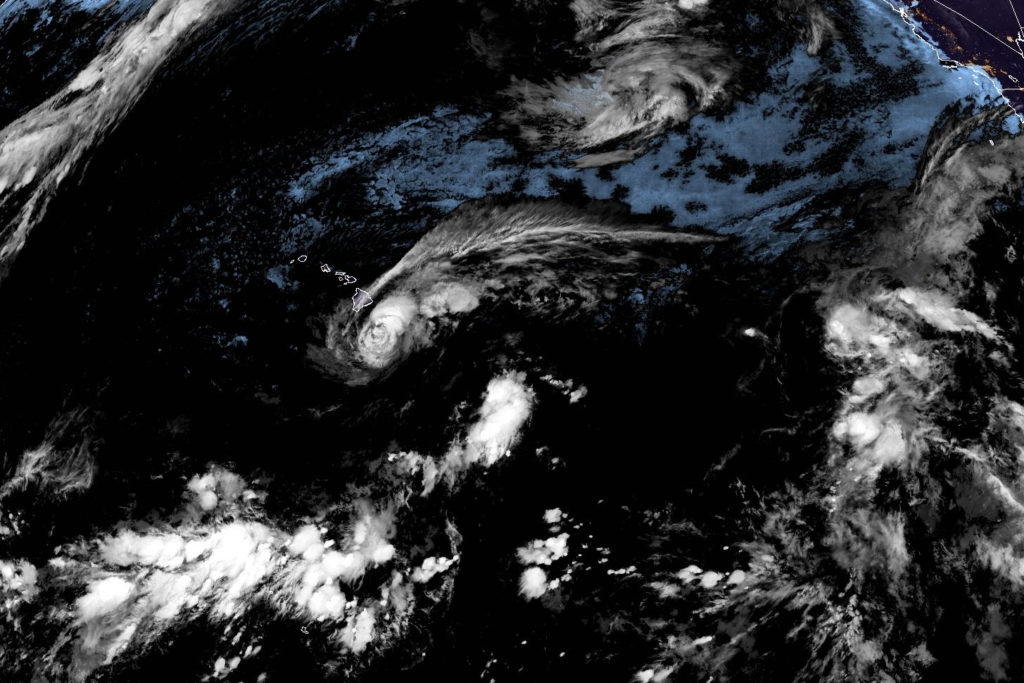
Tropical Storm Lala Hits Hawaii’s Big Island With Hurricane Warning Issued
Tropical Storm Lala is currently battering Hawaii’s Big Island with 70 mph wind gusts and heavy rainfall, prompting the National Hurricane Center to issue a rare hurricane warning. As of August 15, 2026, the storm threatens the island with potential landfall, marking a significant meteorological event for a region that has not experienced a direct hurricane strike in 155 years.
The Threat of Landfall and Infrastructure Vulnerability
The National Hurricane Center (NHC) tracking data as of 8:00 a.m. in Hawaii places Tropical Storm Lala approximately 90 miles southeast of South Point. The storm is moving west-northwest at 12 mph. While current maximum sustained winds sit at 70 mph, forecasters warn that the system is strengthening and could reach hurricane status before impacting the Big Island’s volcanic slopes.
Vanessa Almanza, a weather service meteorologist in Honolulu, emphasized that the danger extends well beyond the projected center of the storm. “It doesn’t take landfall to create destruction,” Almanza stated, noting that the storm’s wind field is substantial. Tropical storm-force winds currently extend outward up to 220 miles, with impacts expected to reach Oahu and Kauai by Sunday morning.
The geography of the Big Island complicates the threat. The NHC advisory warns that wind speeds on windward and leeward slopes, as well as at high elevations, are often 30 percent stronger than near-surface readings. This creates a specific hazard for residents living in high-altitude, remote, or off-grid housing.
Historical Precedent and Environmental Risks
The rarity of this event is underscored by historical data. According to atmospheric research from a University of Hawaii atmospheric scientist, the last time a Category 3 hurricane directly impacted the island’s northeast corner was in 1871. The current storm brings the dual threat of extreme rainfall—with projections of up to 25 inches in higher elevations—and high winds.
State Representative Jeanné Kapela has expressed significant concern for the growing number of residents living in unpermitted or improvised structures in the island’s rural southern region. These areas, which rely heavily on agriculture such as coffee and cattle, are particularly susceptible to the life-threatening mudslides and flooding forecasted by the NHC.
The combination of heavy rain and high winds also introduces the risk of wildfires, a danger that has been amplified by the current weather patterns. This volatility is a primary concern for local officials, including Governor Josh Green, who has characterized Lala as an “enormous storm.”
Community Preparedness and Economic Impact
The economic impact of the storm is already beginning to manifest. Various public events have been canceled, and local authorities have moved to open emergency shelters.

The agricultural sector, still recovering from significant flooding experienced in March, remains on high alert. Brian Miyamoto, director of the Hawaii Farm Bureau, indicated that growers are bracing for potential further losses. While some areas, such as Holualoa, reported clear skies as recently as Friday, the shift toward severe weather has forced a rapid pivot to emergency protocols.
The National Hurricane Center continues to monitor the storm’s path, warning of dangerous storm surges and life-threatening surf conditions. As the islands of Maui, Molokai, Lanai, and Kahoolawe remain under tropical storm warnings, the focus for the next 48 hours remains on life safety and the mitigation of secondary hazards like landslides.
As the state prepares for the full impact of Lala, the focus must remain on the resilience of the local community and the speed of the professional response. Residents are urged to monitor updates from local authorities and contact verified regional professionals to ensure they have the support necessary to navigate the coming days.