
Trip.com japan Focuses on Personalized Support & Adapting to Travel Trends
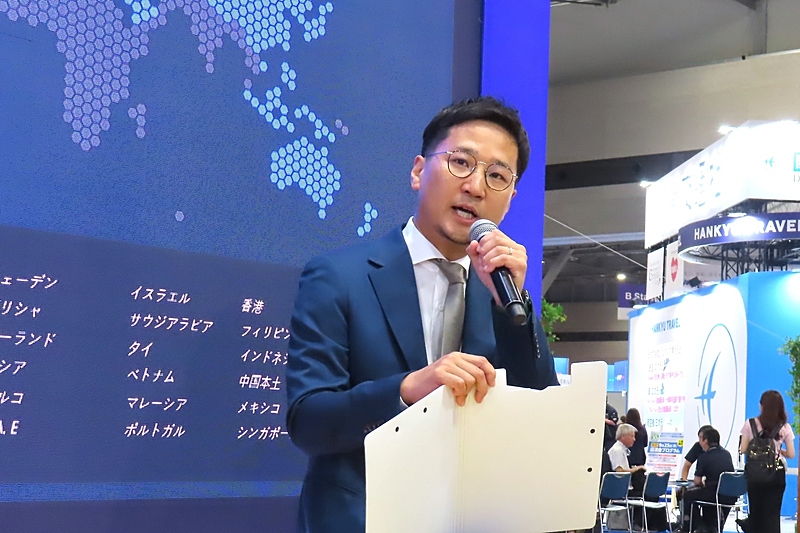
At Tourism EXPO Japan 2025, Tomoyuki Takada, CEO of Trip.com International Travel Japan, highlighted the company’s commitment to a extensive support system for travelers, ranging from AI-powered app features to a dedicated, Japanese-speaking customer service team.
Trip.com has launched ‘TripGenie,’ an AI travel assistant designed to enhance the travel experience. The tool offers real-time translation, utilizes camera scanning to translate restaurant menus and provide dish descriptions, and employs image recognition to deliver Japanese-language guidance at tourist destinations. Takada explained that Trip.com’s AI advancement is focused on two key areas: business applications and consumer personalization. ”For consumers, AI development is synonymous with promoting a certain kind of personalization. By inputting a company’s own data into AI, it can make more in-depth suggestions,” he stated.
Underpinning this technology is a robust customer support infrastructure. Trip.com operates a 24-hour Japanese-speaking customer support center staffed by over 100 employees. Takada emphasized the company’s strength in handling issues internally, thanks to strong collaboration between its product, technology, sales, and call center teams. He also affirmed Trip.com’s dedication to adhering to Japanese business practices and laws to ensure quality control.
Discussing current travel trends, Takada noted the recovery of outbound travel from Japan, especially to long-haul destinations like Europe and Hawaii, primarily driven by customers who previously paused international travel due to currency exchange rates. He identified a barrier to further growth: potential travelers’ anxieties surrounding language and travel logistics. Trip.com aims to alleviate these concerns through its support services, encouraging more people to travel abroad.
Inbound travel to Japan is also experiencing growth, fueled by expanded regional routes from neighboring Asian countries.Takada pointed to a shift in the Korean market, observing that flight bookings from Seoul to shanghai have recently surpassed those to Tokyo, attributed to lower hotel prices in Shanghai.
“the tide might potentially be turning,” Takada said. “in order to attract tourists to Japan, it will be significant to prepare facilities to accommodate them and showcase the appeal of the regions.” he participated in a talk session with aviation and travel analyst Takataro toriumi, discussing these trends and the potential of AI in travel.
