Transforming Invasive Seaweed into Biogas and Fertilizers
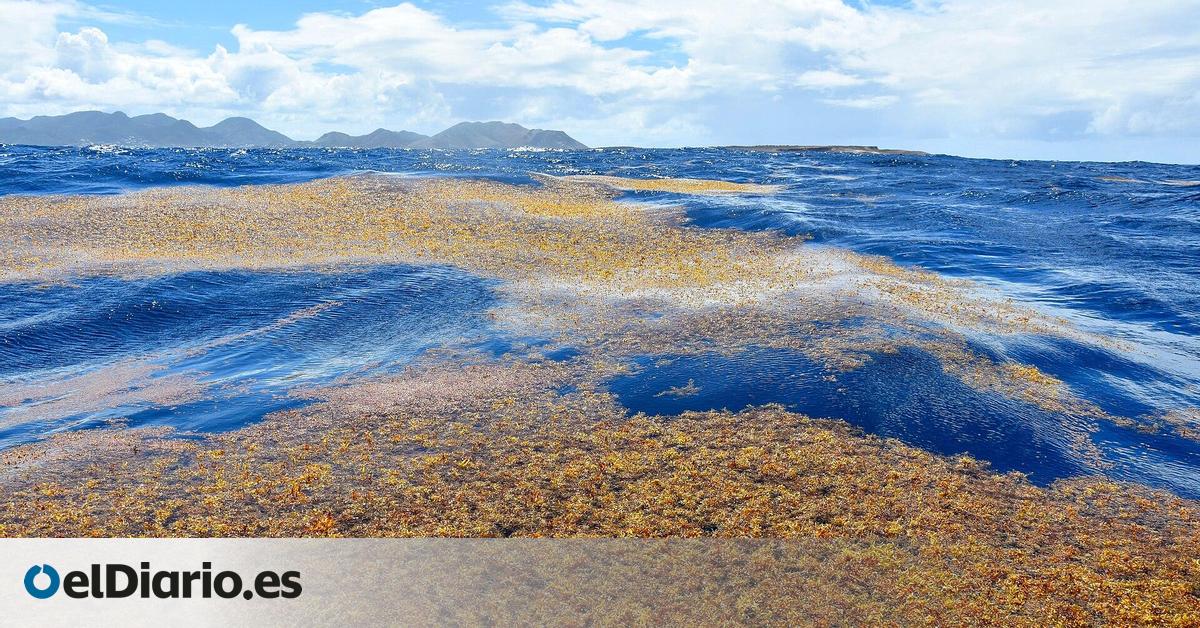
An invasive algae species, Rugulopteryx okamurae, is overwhelming Cádiz’s coastline, causing foul odors from hydrogen sulfide gas, disrupting marine ecosystems by blocking sunlight and outcompeting native flora, and forcing municipalities to spend heavily on constant beach cleanups—yet researchers from the University of Sevilla and Red Eléctrica are pioneering its conversion into biogas, organic fertilizers, and pharmaceutical compounds through anaerobic digestion and invertebrate processing, turning an ecological crisis into a circular economy opportunity.
The Silent Smothering Beneath the Waves
Even as rotting algae piles on Cádiz’s beaches emit a nauseating rotten-egg stench that drives tourists away, the true ecological violence occurs underwater. Rugulopteryx okamurae forms dense monocultures that shade the seafloor, reducing photosynthesis for native seagrasses like Posidonia oceanica—a critical habitat for juvenile fish and carbon sequestration. According to marine biologists at the Instituto Español de Oceanografía, invasive algae coverage in the Bay of Cádiz has increased by 300% since 2018, directly correlating with a 40% decline in local biodiversity indices measured at 12 monitoring stations between 2020 and 2025.
This isn’t merely an aesthetic nuisance; it’s a systemic threat to coastal resilience. Seagrass meadows, already stressed by warming waters and pollution, now face compounded pressure from invasive biomass that alters sediment chemistry and oxygen levels. The decomposition process consumes dissolved oxygen, creating hypoxic zones where shellfish and crustaceans cannot survive—directly impacting artisanal fisheries that have operated in the Guadalquivir estuary for generations.
From Beach Nuisance to Biofuel Feedstock
What began as a 2019 pilot project between the University of Sevilla’s Marine Biology Lab and Red Eléctrica has evolved into a scalable valorization framework. Researchers discovered that mechanical pretreatment—shredding and thermal drying—followed by anaerobic digestion increases methane yield by 22% compared to raw algae, making biogas production economically viable. The resulting digestate, after heavy metal filtration, serves as a nitrogen-rich biofertilizer currently being trialed on salt-tolerant crops in the Salinas de Chiclana.
Parallel work with the University of Extremadura uses black soldier fly larvae (Hermetia illucens) and Eublaberus cockroaches to pre-digest the algae, breaking down complex polysaccharides and reducing toxicity before anaerobic processing. This two-stage biological treatment lowers salinity and heavy metal content in the final output, addressing key barriers to agricultural reuse. Early trials show the processed biomass achieves 85% germination rates in halophyte test plots—comparable to commercial organic fertilizers.
Municipal Strain and the Push for Protocol
The financial burden of algae management is unsustainable for Cádiz’s coastal municipalities. In La Línea de la Concepción alone, emergency removals averaged 120 tons per month during peak season in 2024, costing over €1.8 million in contracted labor, transport, and landfill fees—funds diverted from street maintenance and public safety. Cádiz city reported similar strain, with 60-ton daily hauls overwhelming its waste transfer stations during March 2025 northeasterly wind events.
“We’re not just cleaning beaches—we’re conducting damage control after an ecological spill with no responsible party. The current model treats symptoms while the invasion accelerates.”
Recognizing the transboundary nature of the threat, the Ministry for Ecological Transition (MITECO) activated its Invasive Species Alert Protocol in January 2026 after Rugulopteryx okamurae was detected in Galicia’s Rías Baixas and the Islas Cíes—regions previously considered too cold for its survival. This expansion suggests ocean warming is lowering thermal barriers, enabling northward spread along the Atlantic Iberian coast. MITECO now mandates that all coastal municipalities submit quarterly biomass removal reports and implement containment protocols to prevent fragment dispersal during transport—a direct response to findings that even 2cm rhizome fragments can regenerate into new colonies.
Building the Circular Response
The solution requires integrating waste management with renewable energy and agricultural innovation. Coastal towns require specialized handling: vetted marine biomass processing facilities to prevent secondary contamination during collection and transport. Simultaneously, anaerobic digestion plant operators can partner with municipalities to establish decentralized biogas hubs—turning removal costs into revenue streams through energy sales and fertilizer byproducts.
Legal frameworks are also evolving. Andalusia’s Coastal Law reform, currently under parliamentary review, includes provisions for classifying invasive marine biomass as “recoverable waste” rather than landfill-bound debris, unlocking EU circular economy funding. Legal experts note this shift could enable public-private partnerships under Article 9 of the Waste Framework Directive, allowing cities to contract specialized environmental compliance firms to navigate permitting for coastal biomass valorization projects.
As the Bosque Marino initiative expands its seagrass restoration plots near Punta del Boquerón, scientists emphasize that algae valorization must run parallel to ecosystem recovery—not replace it. The goal isn’t to eradicate Rugulopteryx okamurae (now deemed impossible) but to manage its biomass as a predictable resource stream, reducing ecological harm while generating local value.
What began as a beachside nuisance has revealed a deeper truth: in the era of ecological disruption, the line between waste and resource is drawn not by nature, but by human ingenuity. The municipalities of Cádiz are learning that the most resilient response to invasion isn’t fortification—it’s transformation. For coastal communities facing similar challenges from invasive species to sargassum in the Caribbean, the path forward lies in connecting shoreline cleanup crews with industrial organic recyclers and biogas innovators who can turn tomorrow’s crisis into today’s infrastructure.