
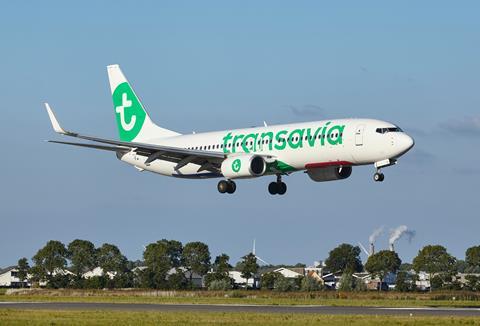
Transavia cancels May and June flights as kerosene costs rise
The Strait That Shapes Europe’s Fuel Supply
The current situation stems from a critical chokepoint: the Strait of Hormuz. This narrow waterway facilitates a significant share of global oil shipments, and disruptions since late February have reduced kerosene imports to Europe from Gulf states. The resulting price increases are creating difficulties for low-cost carriers like Transavia, which cannot absorb higher costs without operational adjustments. Officials in Brussels have indicated the European Union is approaching potential supply challenges, with concerns about higher ticket prices and flight cancellations if the situation persists.

For now, the impact remains limited. Transavia’s cancellations affect only a fraction of its schedule, and the airline is providing refunds or rebooking options for most affected passengers. However, the broader question is whether this represents a temporary disruption or the beginning of a longer-term shift. The International Air Transport Association (IATA) has emphasized the need for regulatory coordination in case fuel supplies become more constrained. France has stated it currently faces no immediate supply issues but has not ruled out using strategic reserves if imports decline further.
Why Airlines Are Canceling Flights Instead of Raising Prices Again
Transavia’s decision to reduce its schedule rather than increase fares further reflects the delicate balance in Europe’s aviation market. Passengers are already facing financial pressures, and additional price hikes could reduce demand—particularly on short-haul routes where alternatives like trains or buses are available.
The economic calculation is straightforward. Fuel represents a meaningful portion of an airline’s operating costs, and when prices rise, carriers must decide whether to pass costs to consumers or reduce capacity. Transavia has opted for the latter approach, which helps maintain its low-cost model while minimizing reputational impact. Other airlines have not yet announced similar measures, but industry observers suggest they may be making behind-the-scenes adjustments. If fuel supplies remain constrained, additional carriers could be compelled to make comparable operational changes.
For more on this story, see Transavia France Cancels Flights Amid Rising Fuel Costs and Middle East Conflict.
What Travelers Need to Know—And What They Can’t Control
For passengers booked on Transavia flights in May and June, the immediate effects are manageable. The airline is contacting affected travelers with options for refunds, vouchers, or rebooking—most within a day. However, the larger concern is what might occur if kerosene supplies become more limited. The EU’s warnings about potential fare increases and cancellations suggest that Transavia’s actions could be an early indication of broader industry adjustments.

Travelers should also prepare for possible long-term effects. If fuel prices remain elevated, airlines may reduce less profitable routes, which could decrease competition and lead to higher fares on remaining flights. Loyalty program benefits might be adjusted as carriers prioritize revenue, and last-minute travel could become less flexible, with fewer available options and higher change fees.
The current situation highlights vulnerabilities in Europe’s fuel supply chain. Until the Strait of Hormuz situation is resolved or alternative fuel sources are secured, both airlines and passengers will need to adapt to changing conditions.
The Signals That Will Determine Whether This Is a Blip or a New Normal
The coming weeks will indicate whether Transavia’s cancellations are an isolated response or the start of a wider industry shift.
1. The Strait of Hormuz. If the situation improves, even partially, kerosene prices could stabilize. However, if tensions escalate—particularly with potential retaliatory measures from the U.S. or EU—the supply challenges could intensify, leading more airlines to reduce capacity.
2. EU fuel reserves. France’s potential use of strategic stocks would signal deepening concerns. If other countries follow, it could provide temporary relief—but only if the underlying supply issues are addressed.
3. Competitor responses. If other low-cost carriers like Ryanair or easyJet announce similar cancellations, it would confirm the problem is industry-wide. While no such announcements have been made, industry sources indicate these airlines are closely observing Transavia’s approach.
4. Passenger behavior. If travelers shift to alternative transportation or delay trips due to higher fares, airlines may accelerate capacity reductions to avoid flying with empty seats. Conversely, if demand remains steady, carriers might attempt further price increases, though this could risk alienating cost-conscious passengers.
For now, the industry is proceeding cautiously. The summer travel season is crucial for Europe’s aviation sector, and any disruptions could affect tourism, business travel, and air freight. Transavia’s cancellations serve as an early warning—but whether they mark the beginning of a broader crisis depends on how quickly fuel supplies stabilize and how passengers respond to changing conditions.
The assumption that air travel will always be inexpensive and readily available may no longer hold. The current situation raises questions about how much the industry—and its customers—will need to adjust in the months ahead.