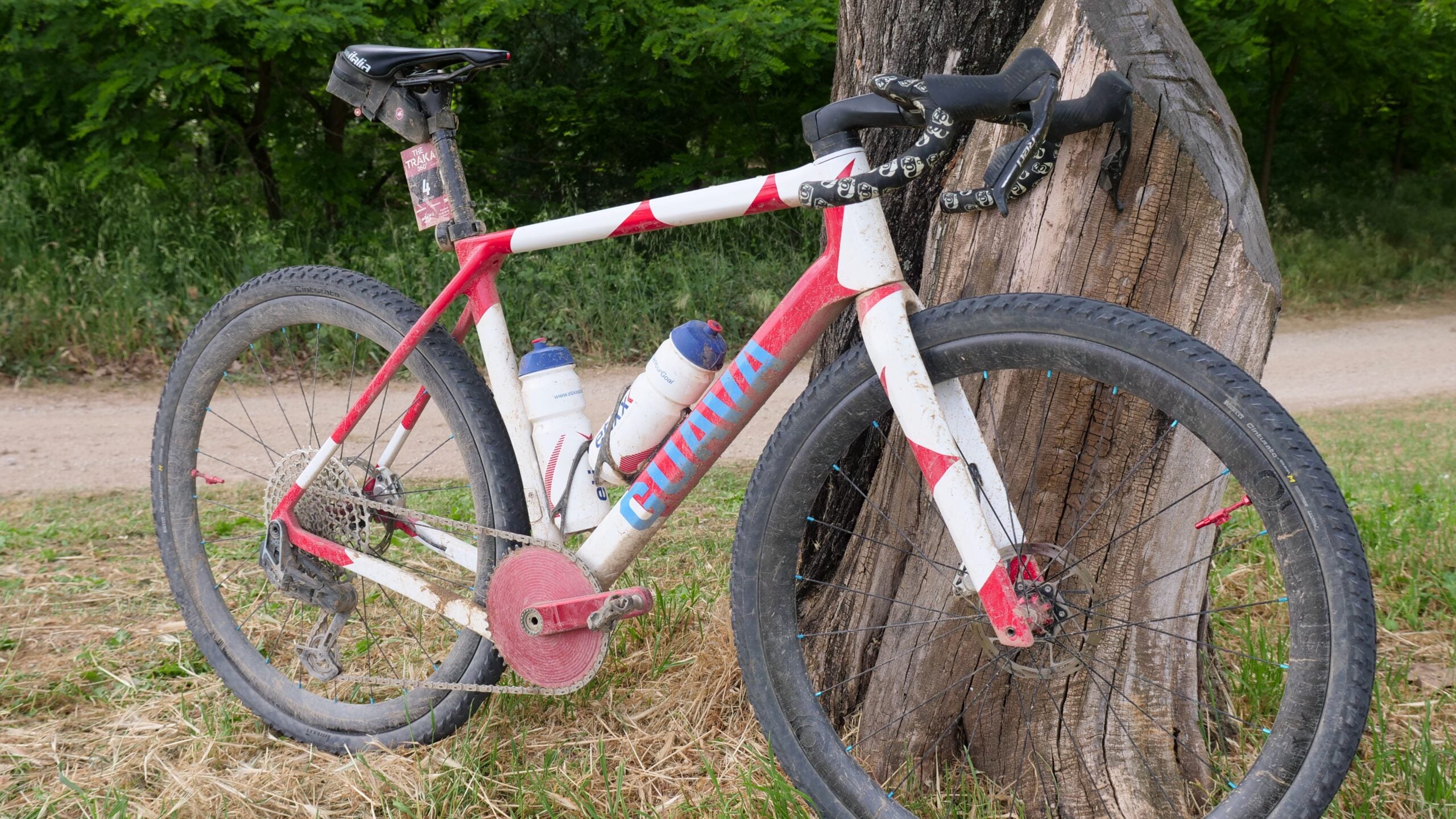
Traka 2026: Unreleased Gravel Bikes from Canyon, Ridley, and Factor
At the Traka in Girona, Spain, industry giants Canyon, Factor and Ridley debuted unreleased, aero-optimized gravel bikes designed to dominate the world’s largest gravel race. These prototypes prioritize a “wide and aero” philosophy, significantly increasing tire clearance—up to 57mm—while integrating aggressive aerodynamic tubing to minimize drag at high racing speeds.
The gravel racing circuit is currently embroiled in a technical arms race that mirrors the marginal gains era of WorldTour road racing. The primary conflict is the tension between rolling resistance and aerodynamic drag. As courses become more varied, the industry is moving away from the “do-it-all” gravel bike toward highly specialized platforms. This shift creates a significant physical burden on the athlete; the move toward more aggressive, aero-leaning geometries increases the demand on core stability and cervical spine flexibility. For the amateur attempting to mimic these pro-level setups, the risk of overuse injury is high, necessitating the guidance of vetted sports physiotherapy and biomechanics experts to ensure the rider’s anatomy can actually sustain the wattage required in these extreme positions.
The Strategic Pivot: Canyon’s Race-Specific Architecture
Canyon is clearly delineating its product lineup to avoid market cannibalization. The appearance of the new Grail—ridden to victory in the women’s Traka 360 by Rosa Maria Klöser—signals a transition of the Grail into a dedicated race machine. By separating the Grail (race) from the Grizl (adventure), Canyon is targeting a specific segment of the market that prioritizes speed over versatility.

The technical evolution of the Grail CFR is most evident in its tire clearance. The platform has seen a significant jump from 42mm to at least 53mm. This is not merely about comfort; it is a tactical play to lower tire pressure and increase the contact patch, thereby reducing rolling resistance on loose surfaces without sacrificing the bike’s overall aerodynamic profile. The design takes clear cues from the Endurace CFR, suggesting a cross-pollination of road-racing efficiency and gravel-road durability.
“The integration of road-centric aero profiles into gravel frames is fundamentally changing the biomechanical load on the rider. We are seeing a shift where the bike is faster, but the human element becomes the primary bottleneck in terms of endurance and comfort.”
Engineering the Edge: Factor and Ridley’s Prototype Play
Factor is attacking the problem from two different angles. The Factor Sarana, utilized by Canadian Rob Britton in the Traka 560, represents a hybrid approach to stability and speed. By incorporating a 40mm suspension fork paired with aerofoil tubes, Factor is attempting to maintain a high average velocity over rougher terrain by reducing the vertical oscillation of the rider’s mass. Britton’s setup, featuring Black Inc Forty Six gravel wheelsets and 2.1in Schwalbe Thunder Burts, highlights the trend toward mountain-bike-adjacent tire volumes for elite gravel racing.
Simultaneously, Factor is testing a separate prototype inspired by the “One” aero road bike. This machine features a wide-splaying fork, a design choice intended to optimize airflow around the rotating mass of the front wheel while providing the stability needed for high-speed descents on unstable surfaces. This is a high-stakes gamble on aerodynamic efficiency that could redefine the category’s standard for “race” geometry.
Ridley is pushing the envelope even further with the ‘RS2’. This prototype leans heavily into aero-optimization with a deep head tube reminiscent of the Noah aero bike and a seat tube designed to hug the rear tire. Most striking is the clearance for massive 57mm tires. Some iterations have even been spotted with 2.25in cross-country mountain bike tires, effectively blurring the line between a gravel bike and a lightweight XC rig. This level of tire volume suggests that the “optimal” tire width for gravel is shifting upward far faster than manufacturers originally anticipated.
The Girona Effect: Local Economics and Logistics
The Traka is no longer just a race; it is a massive economic engine for Girona. With over 4,000 competitors descending on the region from April 29 to May 3, the event creates a localized surge in demand for high-end infrastructure. The sheer volume of athletes and support crews places an immense strain on local hospitality and luxury rentals.
This “halo effect” transforms the region into a temporary global hub for cycling commerce. The influx of high-net-worth athletes and corporate teams creates a vacuum for professional logistics. To manage this, the event and its participants increasingly rely on premium hospitality and event logistics vendors capable of handling the specialized needs of professional cycling teams, from secure bike storage to high-calorie nutritional catering.
Tactical Breakdown: The “Wide and Aero” Paradox
From an analytical perspective, the move toward 53mm to 57mm clearances is a response to the physics of “impedance.” On gravel, the energy lost to the bike bouncing (impedance) often outweighs the energy lost to wind resistance. By increasing tire volume, riders can run lower pressures, which absorbs more of the terrain’s energy, allowing the rider to maintain a more stable aerodynamic tuck. This is the core logic behind the new Grail and RS2 designs: use massive tires to stabilize the chassis, then use aero tubing to reclaim the speed lost to the increased frontal area of those tires.

However, this shift introduces new complexities in gear selection and drivetrain efficiency. Larger tires change the effective gear inches and can alter the cadence rhythms athletes have spent years perfecting. This necessitates a precise approach to periodization and training, as the physical demands of piloting a “wide-aero” bike differ significantly from the traditional, narrower gravel setups of previous seasons.
As these prototypes move toward official production, the gap between professional equipment and amateur availability will likely widen. While the pros have the luxury of custom fits and dedicated support teams, the average enthusiast must be cautious. Transitioning to an aggressive aero-gravel setup without proper guidance can lead to chronic lower back pain and nerve compression in the extremities. Those looking to upgrade their ride should prioritize consulting with local orthopedic specialists and rehab centers to ensure their body is prepared for the increased demands of these high-performance machines.
The trajectory of gravel racing is clear: it is becoming faster, more specialized, and more physically demanding. Whether it is the suspension-integrated approach of the Factor Sarana or the extreme tire volumes of the Ridley RS2, the goal is total optimization. For the athlete, the challenge is no longer just about the engine in their legs, but about how well they can integrate their biology with these increasingly radical machines. To find the vetted professionals needed to support this transition—from legal counsel for athlete contracts to elite medical support—explore the full resources of the World Today News Directory.
Disclaimer: The insights provided in this article are for informational and entertainment purposes only and do not constitute medical advice or sports betting recommendations.