Tourists Kicked Out of Croatia Restaurant for Ordering Only Pancakes
The incident, which unfolded at a popular dining establishment during a high-volume evening shift, quickly spread across Hungarian social media and developed into an unofficial international controversy regarding Adriatic hospitality and dining customs.
Incident on the Island of Krk
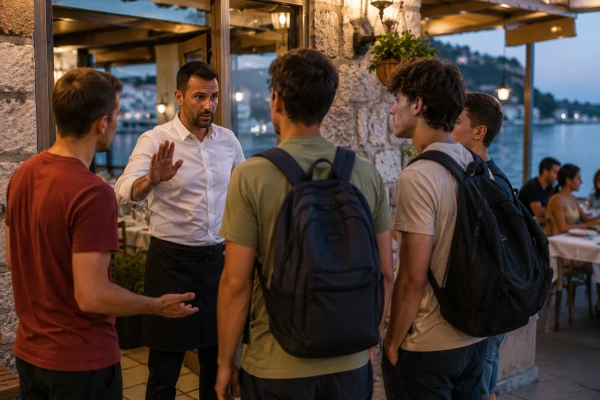
The confrontation began after the group of four young men waited 10 to 15 minutes to secure a table at a crowded venue, as recounted by the mother of one of the tourists to Blikk. Once seated, the waiter took their order, recording that each patron wanted only a dessert portion of pancakes totaling 28 euros for the table. Upon realizing no full meals were being ordered while other patrons waited outside for seating, the waiter confronted the group and demanded they leave the premises. The encounter triggered a sharp debate online regarding tourist etiquette and restaurant revenue management during peak operational hours.
Online Reactions and Regional Tourism Debates
Social media commentators expressed sharply divided views on the confrontation. Conversely, other participants defended the establishment, pointing to unwritten industry norms during evening rush hours. One experienced traveler noted in the discussions that a four-person table can generate between 120 and 150 euros during dinner service, whereas a 28-euro dessert order occupies valuable seating while prospective diners wait outside, framing the issue around the practical economics of hospitality rather than poor treatment.
Regulatory Stance from the Croatian Tourist Board
Following the public outcry, journalists sought clarification from the Croatian Tourist Board in Hungary. Mira Gorvat, a representative of the organization, stated that national regulations do not establish a mandatory minimum spending threshold for individual restaurant visitors. According to UNIAN, Gorvat emphasized that sales conditions and pricing must remain transparent and that businesses are strictly required to abide by those published terms. While expressing regret over the interaction and describing the event as an isolated occurrence, the tourism board noted that affected visitors retain the right to file formal grievances directly with restaurant management or through state regulatory authorities in Croatia.
