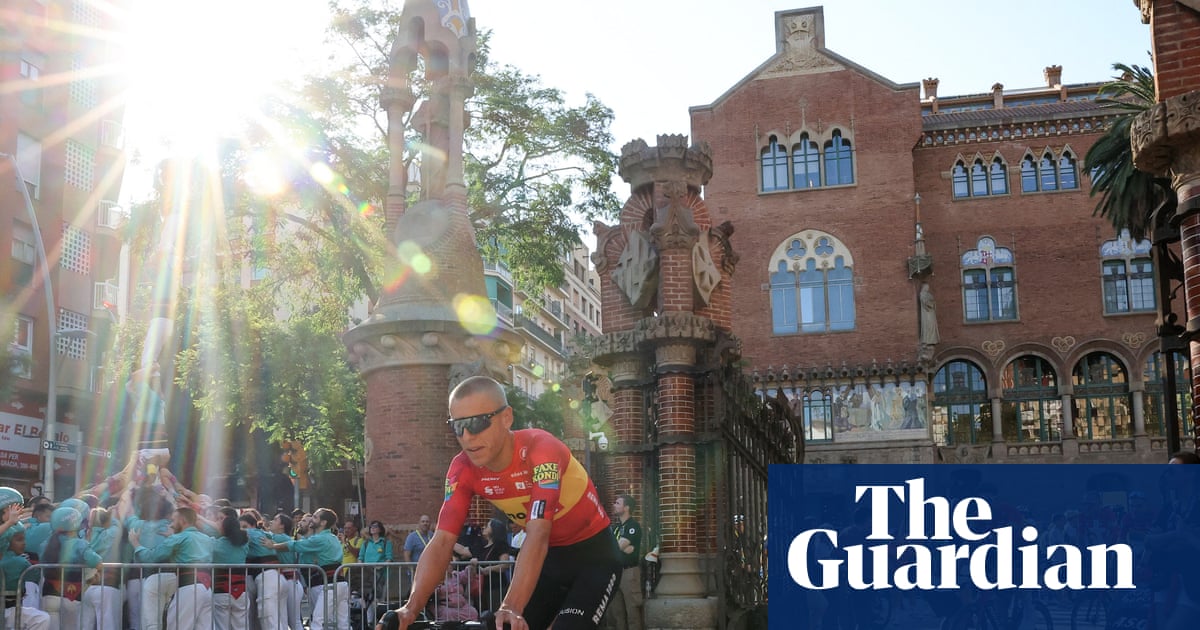
Tour de France Faces Stage Cancellations Amid 44C Heatwave
The Tour de France is facing unprecedented disruption as a severe heatwave sends temperatures soaring to 44C across parts of Europe, forcing race organizers to implement emergency protocols. With rider safety at risk, officials are evaluating historic stage cancellations to mitigate the dangers of extreme heat exposure during the competition.
The Rising Threat of Extreme Heat on Professional Athletics
The Tour de France, one of the most grueling endurance events in the world, is currently navigating an environmental crisis that challenges the limits of human performance. As temperatures consistently exceed 40C in several French regions, the physical toll on cyclists—who must maintain high power outputs for hours—has reached a threshold that exceeds standard medical safety guidelines.

According to data from the Météo-France, the intensity and duration of these heatwaves have become more frequent, creating a logistical nightmare for race organizers. The primary concern is not merely the discomfort of the athletes, but the potential for rapid dehydration, heat exhaustion, and cardiovascular collapse. When asphalt temperatures rise, the radiant heat from the road surface further compounds the ambient air temperature, significantly increasing the risk to the peloton.
For organizers, the decision to cancel or shorten a stage is governed by the Extreme Weather Protocol established by the Union Cycliste Internationale (UCI). This protocol allows for route adjustments if conditions are deemed hazardous. However, altering a legendary route carries heavy consequences for regional tourism and local economies that rely on the race’s scheduled passage.
Regional Infrastructure and Municipal Emergency Preparedness
The impact of this heatwave extends far beyond the professional cycling circuit. Local municipalities across the path of the race are struggling to manage infrastructure that was not designed for such sustained high temperatures. From buckled road surfaces to the strain on regional power grids due to increased air conditioning demand, the administrative burden on local councils is immense.

In regions where the race is slated to pass, local authorities are coordinating with medical and emergency services to ensure that water stations and cooling zones are operational. The strain on these public services underscores the necessity for robust planning. In cases where municipal resources are stretched thin, organizations often turn to specialized emergency management consultants to manage the influx of spectators and ensure public safety under extreme thermal conditions.
“We are monitoring the situation hour by hour. The health of the riders remains our absolute priority, and we will not hesitate to adjust the race if the scientific indicators from our medical team suggest the conditions are no longer tenable for safe competition,” stated a representative for the race organizers.
Legal and Logistical Complexities for Event Organizers
Managing a major sporting event in the midst of a climate-driven crisis introduces a complex layer of liability. Race organizers must balance contractual obligations to sponsors and broadcast partners against the legal duty of care owed to the participants. Failure to adequately protect riders or spectators can lead to significant litigation and regulatory scrutiny.
The legal framework surrounding large-scale events in Europe is increasingly focused on climate resilience. Organizations are finding that standard insurance policies may no longer cover the full scope of risks associated with extreme climate events. Consequently, many are now engaging specialized legal counsel to review force majeure clauses and liability waivers to ensure they are shielded from the financial fallout of sudden stage cancellations.
Historical Precedents and Future Outlook
While the Tour has faced weather-related interruptions before—often due to high-altitude snow or landslides—the threat posed by record-breaking heat is a relatively modern phenomenon in the race’s history. The 2019 Tour de France saw the neutralisation of Stage 19 due to a combination of hail and mudslides, a stark reminder of how quickly mountain conditions can shift. However, heatwaves present a more systemic challenge that cannot be solved by simply diverting a route around a single blockage.

According to the European Environment Agency, the warming trend in Europe is projected to continue, suggesting that the “historic” nature of these cancellations may soon become the new normal. For stakeholders involved in the logistics of the Tour, this necessitates a long-term shift in how they plan for the race. Relying on historical weather patterns is no longer a viable strategy; instead, predictive modeling and real-time environmental monitoring are becoming the standard.
As the race progresses, the tension between maintaining the prestige of the event and ensuring the safety of the riders will continue to dominate the narrative. Whether the Tour de France can adapt to this new reality may determine the future viability of summer cycling in a warming Europe.
For those managing large-scale assets or public gatherings in these volatile conditions, professional oversight is no longer optional. Ensuring that your organization is partnered with vetted risk assessment professionals is the most effective way to address the systemic challenges posed by our changing climate.