Top Tech Trends at Computex 2026: Innovation and Progress in Hardware and Beyond
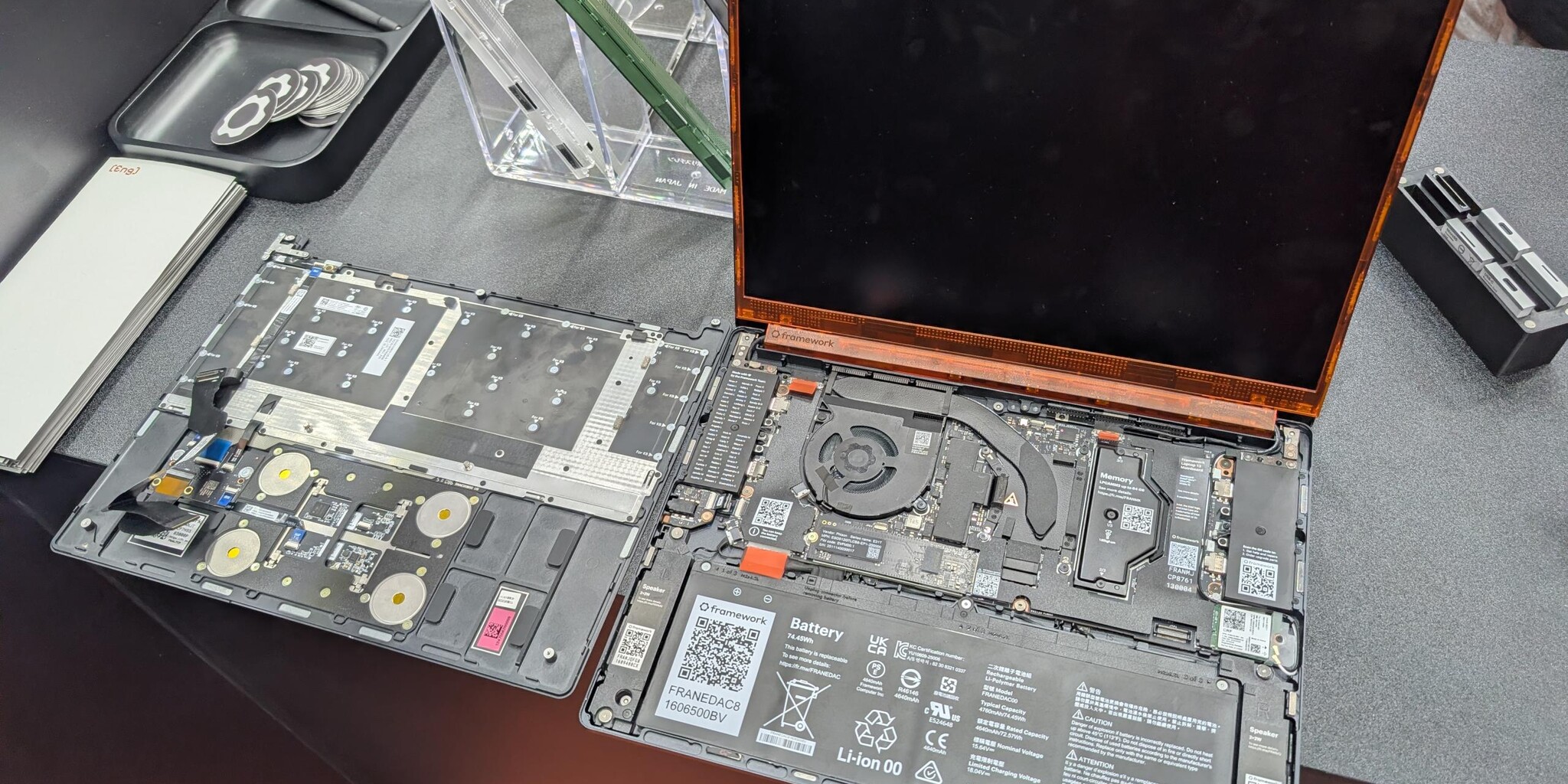
Computex 2026 has opened with a focus on hardware modularity and repairability, as manufacturers shift toward designs intended to extend the lifecycle of consumer electronics. The shift emphasizes consumer-led maintenance, allowing users to disassemble, repair, and upgrade components rather than replacing entire devices. The trend toward user-accessible hardware reflects a move by manufacturers to address the rising demand for sustainable product lifecycles. At the exhibition, several major firms demonstrated laptops and desktop components featuring standardized ports and modular internal layouts. These designs aim to simplify the process of swapping out batteries, storage drives, and memory modules without requiring specialized tools or professional service intervention. This focus on repairability is being framed by industry leaders as a technical solution to the growing volume of electronic waste. By decoupling the chassis from internal components, companies are providing pathways for users to improve device performance years after the initial purchase. The demonstrations at Computex 2026 highlight a departure from previous design standards that favored sealed, non-repairable units. Parallel to the hardware developments, discussions at the event are addressing the logistical requirements of a modular ecosystem. This includes the availability of spare parts and the standardization of internal interfaces, which remain critical barriers to widespread adoption. Industry analysts noted that while the hardware architecture for repairable devices is maturing, the success of these initiatives depends on the long-term support of component ecosystems by manufacturers. The exhibition continues through the week, with further sessions scheduled to address the integration of modular design standards across regional supply chains.