Top Fashion Labels to Discover on Your Next Shopping Trip
In May 2026, Shanghai’s menswear landscape is being fundamentally reshaped by Xiaohongshu-driven trends, pivoting away from overt branding toward “Quiet Luxury” and “Neo-Chinese” aesthetics. Shoppers are increasingly abandoning traditional luxury malls in favor of curated concept stores tucked away in the Former French Concession, seeking a sophisticated blend of global minimalism and heritage-inspired tailoring.
For the uninitiated, navigating Shanghai’s current fashion ecosystem is no longer about visiting the high-end boutiques of Nanjing Road. It is about deciphering an algorithm. Xiaohongshu, the lifestyle platform often described as China’s Instagram-meets-Pinterest, has become the primary arbiter of taste. If a particular silhouette or a hidden alleyway boutique goes viral on the app, it becomes an overnight destination. This shift has created a fragmented retail experience where the most coveted “hidden gems” are intentionally difficult to find.
The problem for the international visitor—and even the local shopper—is the “discovery gap.” The most influential labels of 2026 are not marketing through traditional channels; they are relying on organic, peer-to-peer endorsements and hyper-local community hubs. For those unfamiliar with the city’s shifting geography, this makes the search for high-quality menswear a logistical challenge. Many are now turning to luxury lifestyle concierges to bridge the gap between digital trends and physical locations.
The Rise of Neo-Chinese Tailoring
The most significant movement currently dominating the feeds is “Neo-Chinese” style. This represents not the costume-like attire of the past, but a rigorous modernization of traditional Hanfu elements integrated into contemporary menswear. We are seeing a surge in the use of heavy silks, raw linens, and asymmetrical collars paired with wide-leg trousers and modern sneakers.
This trend reflects a broader macroeconomic shift toward cultural confidence within the Chinese middle and upper classes. The desire is no longer to simply mimic European luxury, but to redefine what “luxury” means through a domestic lens. This movement has sparked a gold rush for foreign brands attempting to enter the market, many of whom are hiring market entry consultants to avoid the pitfalls of cultural misinterpretation.

“The current obsession with Neo-Chinese menswear isn’t just a fashion trend; it’s a sociological statement. Men in Shanghai are reclaiming their heritage by stripping away the ornamental and focusing on the structural essence of traditional dress, blending it with a global urban sensibility.”
This sentiment is echoed by Li Wei, a prominent Shanghai-based fashion curator and consultant, who notes that the intersection of tradition and modernity is where the most exciting growth is happening. According to Wei, the success of these brands lies in their ability to remain “invisible” to the mass market while remaining hyper-visible to the “in-the-know” community on Xiaohongshu.
The “City Boy” Aesthetic and Japanese Influence
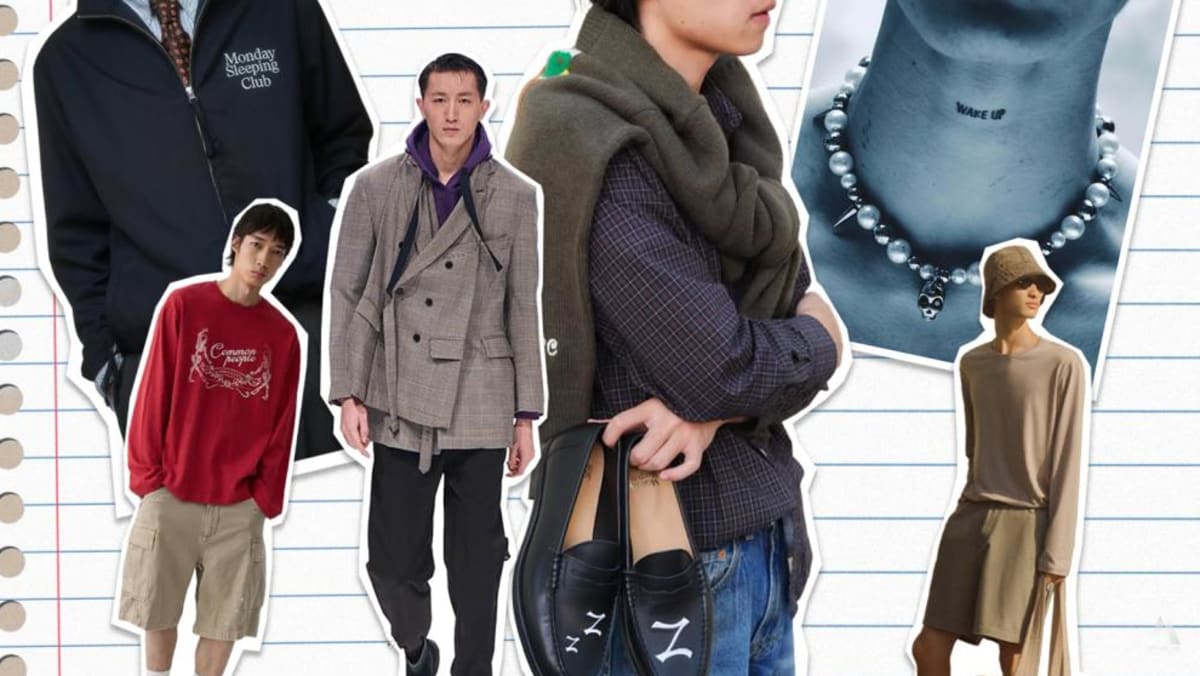
While Neo-Chinese style looks inward, the “City Boy” aesthetic continues to look toward Tokyo. Heavily influenced by the curation of magazines like Popeye, this style emphasizes oversized proportions, functional fabrics, and a palette of navy, olive, and beige. It is the uniform of the creative class in districts like Jing’an and Xuhui.
The appeal lies in its effortless nature. It is clothing that suggests the wearer is an architect, a gallery owner, or a designer—someone who values utility but refuses to sacrifice silhouette. This trend has led to the proliferation of “multi-brand” concept stores that curate a mix of Japanese imports and emerging local labels that share the same minimalist ethos.
However, the language barrier remains a significant hurdle for international enthusiasts trying to source these specific pieces. Because many of these boutiques operate with minimal English-speaking staff and rely on WeChat for appointments, securing professional translation services has become a practical necessity for those seeking a seamless shopping experience in the city’s backstreets.
Mapping the 2026 Shopping Geography
To understand where to shop in Shanghai today, one must understand the city’s urban layout. The retail energy has migrated. While the malls still exist, the “soul” of the menswear scene has moved into the renovated villas of the Former French Concession.
These stores are often unmarked, hidden behind heavy wooden doors or tucked into the second floor of a residential building. This “secret” nature is a deliberate marketing strategy. It creates a sense of exclusivity and rewards the effort of the search, mirroring the way users “discover” content on Xiaohongshu.
For a deeper understanding of how these urban shifts are managed, one can look at the Shanghai Municipal Government’s urban planning initiatives, which have increasingly focused on preserving the “longtang” (lane) culture while allowing for commercial revitalization.
The Economic Engine of the “Viral Boutique”
The speed at which a brand can move from obscurity to a queue stretching around the block is unprecedented. This volatility creates a high-risk, high-reward environment for retail landlords and brand owners. A single viral post can lead to a 500% increase in foot traffic overnight, often overwhelming the small-scale infrastructure of these boutique spaces.
Industry analysts from Vogue Business have noted that this “platform-led” retail model is forcing brands to be more agile with their inventory. The traditional seasonal cycle is being replaced by “drop” culture, where limited quantities are released to maintain scarcity and urgency.
This environment is a minefield for brands that lack a deep understanding of local digital ecosystems. The relationship between the physical store and the digital platform is symbiotic; the store serves as a “showroom” for content creation, while the platform serves as the primary driver of sales.
As we look toward the latter half of 2026, the trend is moving toward “hyper-personalization.” We are seeing the rise of in-store tailoring services that combine 3D body scanning with traditional hand-stitching, blending the highest tech with the oldest crafts.
The evolution of Shanghai’s menswear is a mirror of the city itself: fast, contradictory, and relentlessly forward-looking. Whether it is the structured minimalism of the City Boy or the fluid heritage of the Neo-Chinese movement, the goal is the same—to project an identity that is both globally aware and locally rooted. For the traveler or the investor, the key to unlocking this world is not a map, but a connection to the right people. Finding those verified professionals who can navigate the intersection of Shanghai’s digital trends and physical reality is the only way to ensure you aren’t just following a trend, but understanding the culture behind it.