Tokyo Opens Flexible School for Truant Children in Setagaya Ward
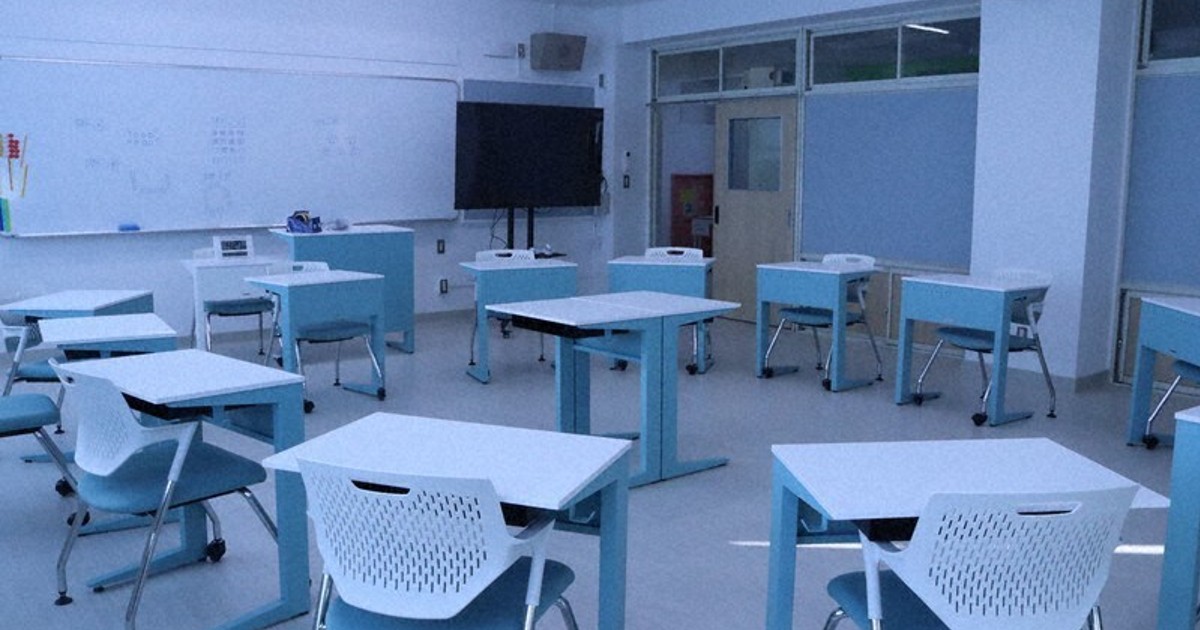
Tokyo’s Setagaya Ward has launched a specialized public junior high school designed for truant children, implementing flexible curricula to reintegrate students who have fallen out of the traditional education system. This initiative aims to combat rising school refusal rates by providing a low-pressure, adaptable learning environment within the public sector.
The opening of this facility isn’t just a local administrative win; it is a systemic response to a deepening crisis in Japanese youth mental health and social cohesion. For years, the “futoko” (school refusal) phenomenon has been treated as an individual pathology—a child’s failure to adapt. By establishing a public institution specifically for these students, the Setagaya government is effectively admitting that the traditional Japanese classroom is, for some, a site of psychological distress.
It is a bold shift. But the problem is massive.
The scale of school refusal in Japan has reached a critical inflection point. According to data from the Ministry of Education, Culture, Sports, Science and Technology (MEXT), the number of students refusing school has surged, often linked to the rigid expectations of “shudan seikatsu” or collective living. When a child stops attending school in Japan, they don’t just lose academic ground; they lose their primary social anchor, often leading to severe isolation known as hikikomori.
The Structural Failure of the Traditional Classroom
The Setagaya model acknowledges that a “one size fits all” approach to education is actively harming a segment of the population. Traditional junior high schools in Tokyo are high-pressure environments where social conformity is prized above individual well-being. For a student struggling with anxiety, neurodivergence, or trauma, the rigid bell schedule and strict behavioral codes grow insurmountable barriers.
This new school disrupts that cycle. By offering flexible curricula, the institution allows students to engage with material at their own pace, reducing the “fear of failure” that typically triggers truancy. However, this transition requires a sophisticated support network. Families navigating this shift often find themselves overwhelmed by the bureaucracy of the school board, necessitating the guidance of certified educational consultants who can bridge the gap between home and the new institutional framework.
“The goal is not merely to get the child back into a desk, but to redefine what ‘learning’ looks like for a generation that feels alienated by the traditional state apparatus. We are moving from a model of compliance to a model of curiosity.”
This quote reflects a sentiment echoed by many in the Tokyo educational reform movement. The shift toward “flexible learning” is a direct challenge to the historical dominance of the Japanese education system’s standardization.
Geo-Local Impact: Why Setagaya?
Setagaya is one of Tokyo’s most populous wards, characterized by a dense mix of residential suburbs and commercial hubs. The decision to anchor this project here is strategic. The ward has seen a disproportionate rise in reports of adolescent mental health struggles, often exacerbated by the intense academic competition prevalent in the capital’s residential belts.

From a municipal standpoint, the cost of inaction is higher than the cost of the school. Long-term truancy leads to a loss of human capital and an increase in the need for adult social welfare services. By intervening at the junior high level, Setagaya is attempting to prevent a lifelong trajectory of social withdrawal.
Yet, the infrastructure of a school is only half the battle. The “Information Gap” here lies in the transition. Once a child is stabilized in a flexible environment, the question becomes: where do they go next? The lack of integrated pathways to vocational training or non-traditional high schools means that many students risk hitting another wall at age 15.
To mitigate this, families are increasingly seeking specialized adolescent psychologists to ensure that the academic flexibility is matched by emotional resilience training.
Comparing the Educational Shift
To understand the magnitude of this change, one must gaze at the traditional versus the flexible model currently being deployed in Setagaya.
| Feature | Traditional Public JHS | Setagaya Flexible Model |
|---|---|---|
| Attendance | Strict, mandatory daily presence | Adaptable, based on student readiness |
| Curriculum | Standardized national guidelines | Individualized learning plans |
| Social Structure | Group-centric / Conformity-based | Student-centric / Support-based |
| Goal | Academic achievement & discipline | Re-engagement & mental stability |
Here’s not a “school for the rebellious,” but a sanctuary for the overwhelmed. The legal framework supporting this is an evolution of the “Special Needs Education” laws in Japan, expanding the definition of “need” to include psychological and social barriers to learning.
The Macro-Economic Ripple Effect
If this model succeeds in Setagaya, expect a ripple effect across other wards like Shinjuku and Minato. Japan is currently facing a demographic collapse; it cannot afford to have thousands of teenagers slip through the cracks of the state system. The economic cost of “lost generations” of youth is staggering, affecting everything from future tax revenues to the sustainability of the labor market.

However, the implementation of such schools creates a new demand for specialized legal protections. As these schools deviate from standard curricula, questions arise regarding the validity of credits and the legality of non-traditional assessment methods. This has led to a surge in parents consulting family law specialists to ensure their children’s educational rights are protected during this experimental phase.
“We are seeing a fundamental rewrite of the social contract between the Japanese state and its youth. The state is finally acknowledging that the system, not the child, is often what is broken.”
This shift toward empathy-driven governance is a slow burn, but it is essential. The Setagaya school is a laboratory for a new kind of citizenship—one that values mental health as much as mathematical proficiency.
The opening of this school in Setagaya is a victory for inclusivity, but it is also a warning. It signals that the traditional pillars of the Japanese social order are no longer sufficient to support the psychological needs of the next generation. As the definition of “education” expands to include emotional survival, the need for a verified, multidisciplinary support network becomes paramount. Whether it is navigating the legal complexities of school placement or finding the right therapeutic support, the journey back from truancy is rarely a straight line. Those seeking the professional expertise required to navigate these shifting institutional landscapes can find vetted specialists within the World Today News Directory.