
Latin America’s Path: Learn From Southeast Asia’s Integration
As global trade faces headwinds, Latin America eyes strategies for stronger economic ties. The region’s future hinges on overcoming fragmentation and embracing integration models like the Association of Southeast Asian Nations (ASEAN) to unlock greater growth and resilience.
Fragmented Markets Hinder Progress
The world today is significantly impacted by economic divides and geopolitical tensions. Heightened protectionist measures by the U.S. and the lingering effects of prior trade conflicts and global crises add to supply chain disruptions. This situation necessitates a shift towards more secure, shorter supply chains.
Latin America holds strategic advantages. It has ample natural resources and a favorable geographic position. However, the area remains economically fractured. Existing integration initiatives have been insufficient in the face of global challenges. The region’s internal trade is just 14% of its overall trade, vastly lower than the 60% seen in the European Union.
Four core issues contribute to Latin America’s fragmentation. These include trade barriers, inadequate infrastructure, regulatory inconsistencies, and political shifts that destabilize long-term projects. These issues limit the region’s ability to coordinate and compete effectively.
ASEAN as a Blueprint
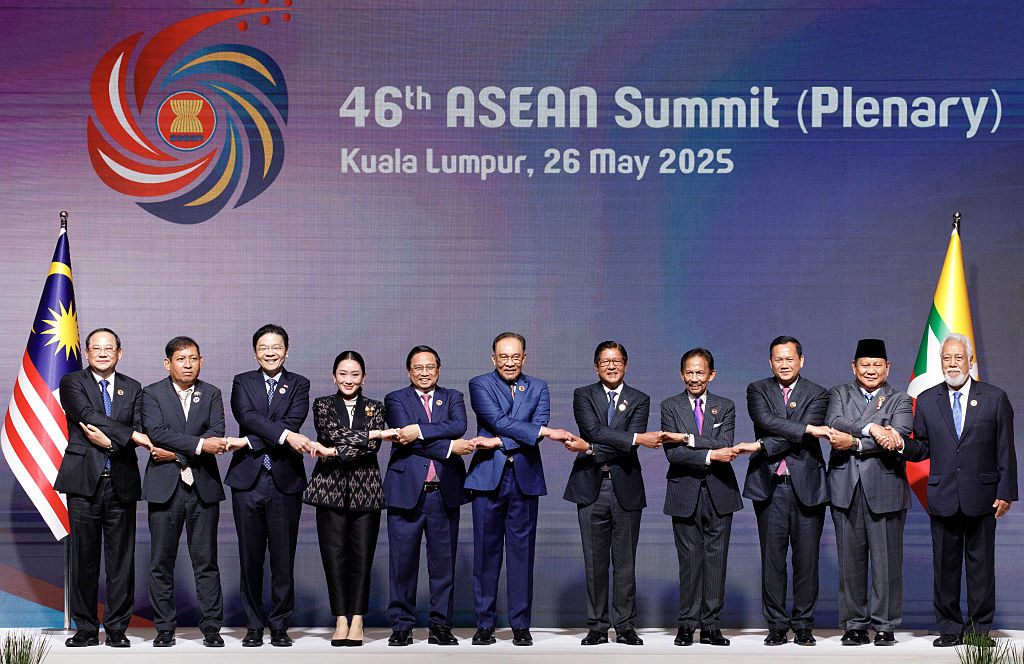
The European Union offers the most advanced model for regional integration. Yet, the ASEAN model presents a more readily achievable path. Formed in 1967, ASEAN has grown to include ten Southeast Asian nations. Initially created to ease regional political tensions, it evolved into a key platform for economic and strategic integration.
ASEAN has progressed through consensus, cooperation, and multi-year plans, without needing supranational institutions. Its emphasis on physical, institutional, and regulatory connections provides a compelling model for Latin America. This is especially true given that deeper integration efforts in Latin America are frequently hindered by political disagreements.
“Latin America can build a more effective integration agenda if it takes the following notes from ASEAN.”
—Article Excerpt
To enhance regional integration, Latin America needs to build governance systems for cooperation. This involves strengthening existing regional bodies and ensuring continuity. Harmonizing standards and prioritizing infrastructure are also essential. Implementing these measures will create a more certain environment for investors and improve access to global markets.
According to the International Monetary Fund, “In 2023, the volume of world trade in goods was 0.2% lower than in 2022” (IMF 2023).
A Virtuous Cycle of Growth
Effective integration does not require complicated institutional replication. It does require a strategic approach and consistent political commitment. The ASEAN model shows that functional, gradual integration is possible.
Latin America could benefit from a virtuous cycle by following ASEAN’s model. Integration and nearshoring encourage foreign direct investment, technology transfer, and enhanced domestic capacity. Key sectors for growth include manufacturing, pharmaceuticals, and renewable energy. By implementing coordinated policies, the region can seize opportunities for growth.
This strategic approach presents the clearest route for Latin America to seize the opportunities that a changing global economy offers. The ASEAN model offers a way to foster more functional, strategic, and resilient regional integration.
