
Dads Stepping Up to Talk Periods with Daughters, challenging Taboos
LONDON – A growing number of fathers are taking the lead in educating thier daughters about menstruation, breaking down long-held societal taboos and offering open interaction around a natural, yet often stigmatized, life stage. From practical demonstrations to honest conversations, these dads are aiming to empower their daughters and normalize periods.
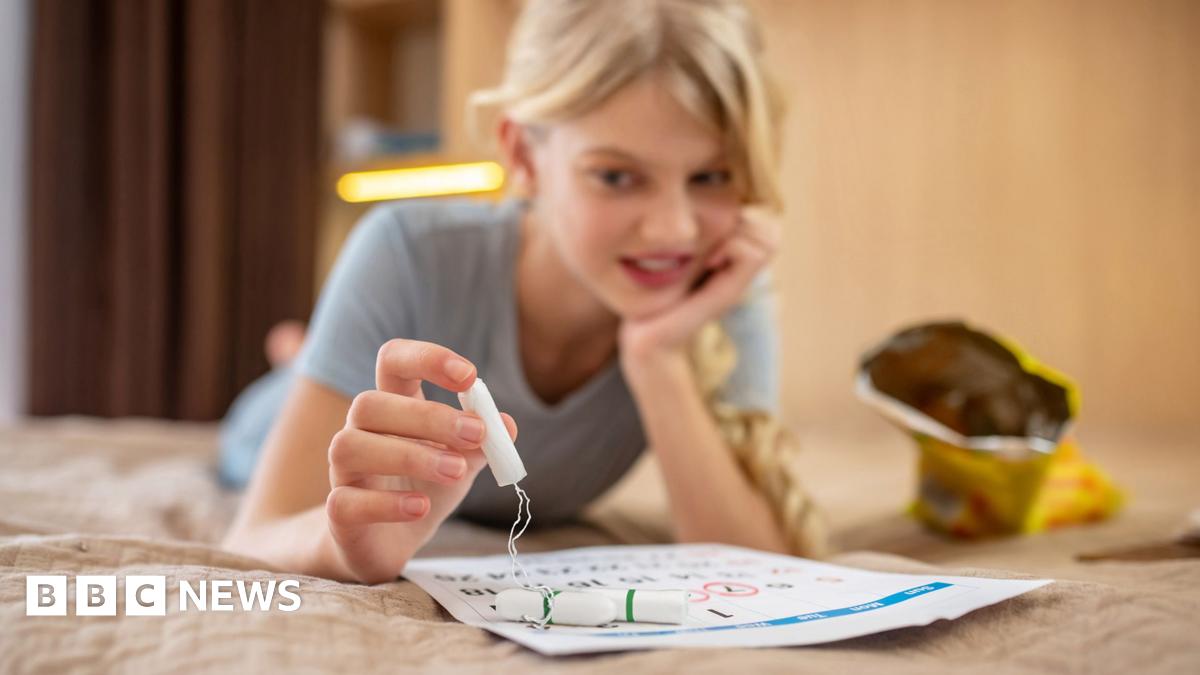
For many women, the experience of starting their period is shrouded in secrecy and discomfort. However, fathers like Roy, a widowed father raising his daughter alone after the loss of his wife to cancer, are actively changing that narrative. Roy began preparing his daughter for menstruation at age nine, utilizing books to explain what to expect. ”Initially the color drained from her face, but we spoke about it openly,” he recalls. He went on to demonstrate how to use a pad, even suggesting a “test drive” to alleviate potential anxieties. This proactive approach reflects a broader shift in attitudes, with some fathers believing it’s crucial to “be there and approachable for your children.”
The importance of open dialogue is underscored by experiences like that of Hannah Routledge, who works with the not-for-profit Hey Girls, dedicated to combating period poverty.Routledge remembers starting her period at just 10 years old, and attending a school completely unprepared to support students experiencing menstruation – lacking even basic sanitary bins. This highlights the need for thorough education and accessible resources, a gap many fathers are now attempting to fill.
“Things are scary when you don’t know what’s going on,” Roy explains. “I’m preparing my daughter for life and part of that is periods,sex,boyfriends,relationships. It’s all challenging but you can’t hide from it.” While the idea of fathers discussing menstruation remains divisive for some,advocates argue that normalizing these conversations is vital for girls’ health and well-being. This trend signals a potential turning point in how menstruation is discussed and experienced, moving towards a future were open communication and support are the norm, not the exception.
