
Ancient Microbes Revive in Thawing Permafrost, Accelerating Carbon Release
Microbes frozen in Arctic permafrost for up to 40,000 years have demonstrated a remarkable ability to revive, rebuild communities, and resume consuming organic matter when thawed, according to recent research. the study highlights a possibly significant feedback loop in a rapidly warming Arctic, where longer thaw seasons could dramatically accelerate the release of carbon dioxide and methane – potent greenhouse gases – into the atmosphere.
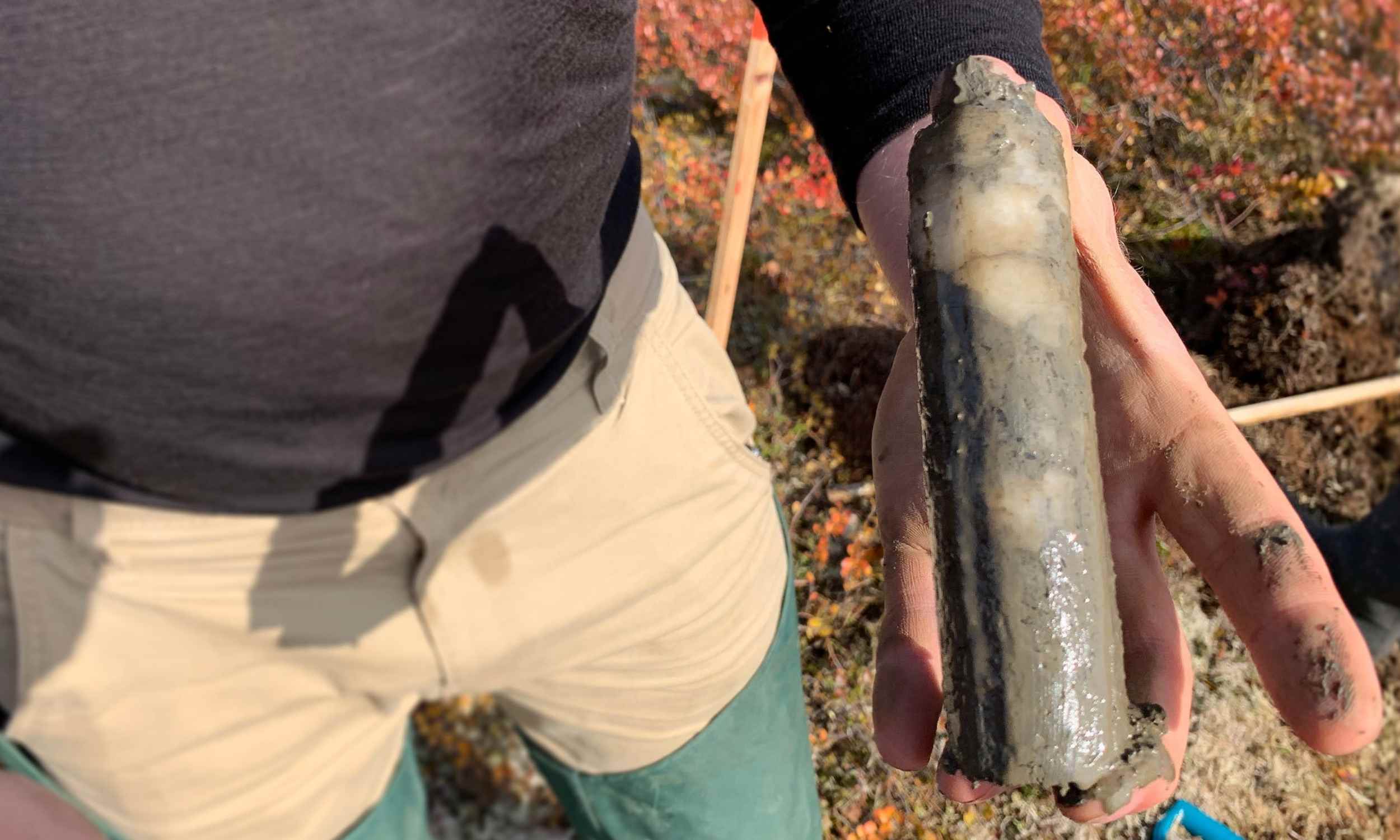
Researchers thawed permafrost cores collected from Alaska and observed that the ancient microbial communities didn’t simply remain dormant, but actively re-established themselves. Within weeks,they formed visible biofilms,indicating a rapid return to functionality. Importantly, the microbial activity mirrored that of modern surface soils, suggesting that ecological function can be maintained even as the specific members of the community change. While initial gas emissions could originate from ancient, trapped bubbles within the ice, the study confirms substantial respiration from the revived microbes themselves.
The findings are particularly concerning given the observed trend of lengthening Arctic summers.NOAA reports indicate the Arctic is warming at a rate faster than the global average, resulting in extended warm seasons and deeper thaw depths. This allows oxygen and water to penetrate previously frozen layers, exposing vast stores of buried organic matter to microbial decomposition.
The study emphasizes that the duration of the warm season is more critical than isolated warm days. Extended thaw periods allow dormant microbial communities to remain active for longer, accelerating the breakdown of organic matter and subsequent carbon release.
While the research was conducted using samples from a single Alaskan facility, the implications are broad. Scientists acknowledge that permafrost regions in Siberia and Canada likely harbor distinct microbial communities with varying rates of revival and growth. Further research, including field tests that together track thaw depth, gas emissions, and lipid markers, is crucial to refine climate models and improve predictions of future carbon release.
Beyond climate modeling, the findings have practical implications for infrastructure planning. Detailed maps of ice-rich permafrost layers are needed to ensure the stability of roads, pipelines, and buildings in regions experiencing longer thaw seasons and increased ground settlement. Accurately distinguishing between ancient gas emissions and those produced by newly active microbes is also vital for effective climate mitigation strategies and resource allocation.
The research was published in the Journal of Geophysical Research.
