
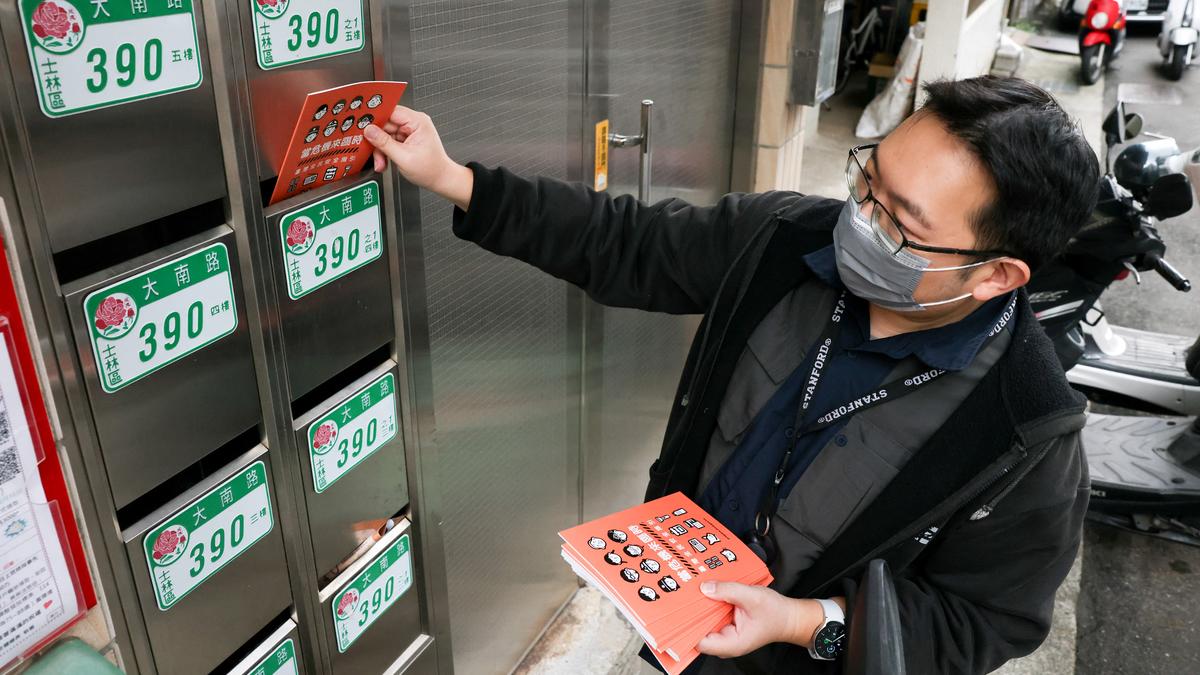
Taiwan Distributes Civil defense Guides to Households Amid Rising China Tensions
Taipei, Taiwan – November 21, 2025 – Taiwan’s government has begun distributing a 32-page civil defense booklet to nearly 10 million households across the island, outlining preparedness measures for both natural disasters and a potential Chinese invasion. The initiative, launched this week, aims to bolster public awareness and resilience in the face of escalating regional security concerns.
The booklet, titled “In Case of Crisis,” provides guidance on assembling emergency “go bags,” responding to air raid sirens, administering first aid, and identifying disinformation campaigns potentially deployed by “hostile foreign forces” should China attack. It explicitly states that any claims of government surrender or national defeat in the event of an invasion are false.
This marks the first time Taiwan has opted for a widespread printed distribution of emergency guidelines, having previously relied on online resources. Defense Minister Wellington Koo explained to lawmakers on Wednesday that the printed format ensures accessibility for all citizens, notably the elderly in rural areas and those without digital access.
The move is a key component of President Lai Ching-te’s broader strategy to prepare Taiwan’s 23 million residents for potential conflict or disaster.
“I think it’s quite helpful,” saeid Chi Chien-han, a 43-year-old community leader, to AFP.”It reminds us to stay alert rather than acting like nothing matters.”
While many residents, like 31-year-old 3D animation specialist Jay Tsai, expressed a sense of reassurance, stating, “I hope we’ll never need it but it feels reassuring to have,” the initiative has also drawn criticism. Some, including IT worker Yang Chen-che, 38, view the booklet as redundant, arguing that the data is readily available online. Others, like community leader Chiang Chu-hsuan, 60, have questioned the cost-effectiveness of the project, calling it a “waste of money” and urging the president to prioritize diplomatic efforts to avoid conflict.
The Defence Ministry has stated that the guide was developed with reference to similar publications from countries like Sweden and France. Lin fei-fan, deputy secretary-general of the National Security Council, emphasized the booklet’s symbolic importance, stating, “I think this booklet actually shows our determination of defending ourselves.”
Legislator Yeh Yuan-chih of the Kuomintang party, which favors closer ties with China, has raised concerns about the NT$60 million ($1.9 million) cost of printing and distribution.
The distribution is expected to be completed by early January. Resident Ruru Liu, 32, noted that recent events, particularly the war in Ukraine, have heightened awareness of potential threats, suggesting the guide “might help people to some extent.”
