
Scientists Conclude Universe Cannot be Fully Simulated, Challenging ‘Simulation Hypothesis’
KELOWNA, BC – A new study from UBC Okanagan University in Canada offers a mathematical refutation of the idea that our reality is a computer simulation. Led by physicist Dr. Mir Faizal, the research demonstrates that the universe’s fundamental structure is too complex to be fully replicated by any computer, including future quantum and supercomputers. The findings were published in the Journal of Holography Applications in Physics.
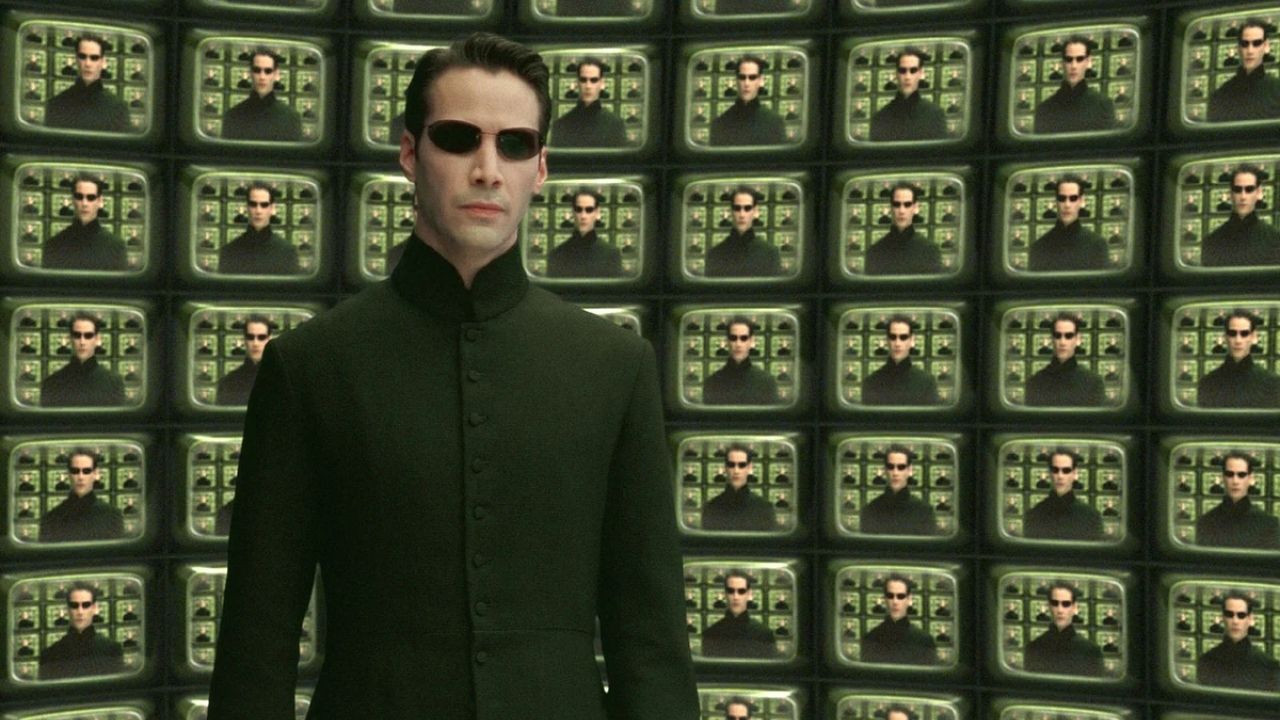
The “simulation hypothesis,” popularized in science fiction, posits that our universe is not ‘real’ but an elaborate simulation created by an advanced civilization. Faizal’s team challenged this concept by examining the differences between algorithmic processes and the observed workings of the universe. Utilizing principles like Gödel’s Incompleteness Theorems, they proved that a complete simulation is mathematically impractical.
“The idea behind a simulation universe is that you can create a simulation within a simulation, layering copies indefinitely,” explained Dr. Faizal. “Though,our work shows this is not scientifically viable.”
Modern physics increasingly suggests that space and time aren’t fundamental elements, but rather emerge from a deeper layer of “pure information.” The UBC team argues this foundational information isn’t entirely algorithmic.
“It is impossible to describe all aspects of physical reality with algorithmic theory. Understanding the universe requires a level of understanding beyond algorithms,” Faizal stated. He further explained this understanding relies on intuition, a form of knowing that cannot be broken down into logical steps – exemplified by Gödelian statements that are true but unprovable within a given system.
The research specifically addresses the limitations of computational power, concluding that even advancements in quantum computing cannot overcome the inherent incompleteness of any algorithm attempting to model the entirety of the universe. The team demonstrated that if the laws governing the universe were algorithmic, those algorithms would, by definition, be incomplete.
