
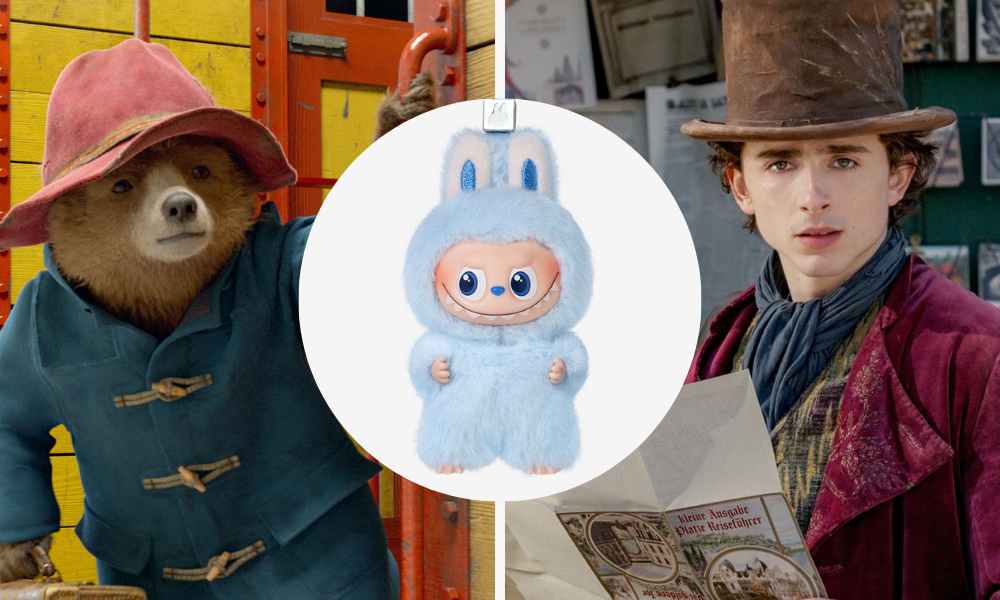
Labubu, the Chinese‑origin collectible brand now backed by Sony Pictures, is at the center of a structural shift involving the globalization of soft‑power cultural assets. The immediate implication is a new conduit for Chinese‑style IP to enter Western mainstream entertainment, reshaping consumer sentiment and cross‑border brand leverage.
The Strategic Context
labubu began as a blind‑box figurine line launched in 2019 by the Chinese retailer Pop Mart, riding the broader wave of “designer toy” culture that blends street‑art aesthetics with collectible merchandising. This niche has been amplified by the rise of social‑media‑driven fandoms and the willingness of Asian pop culture icons (K‑pop, Korean dramas, Chinese web‑novels) to command global attention. The structural forces at play include: the diffusion of cultural production from a historically Western‑centric model toward a multipolar creative economy; the monetization of fandom through limited‑edition drops that generate hype cycles; and the strategic use of entertainment franchises by state‑linked enterprises to extend cultural influence beyond traditional diplomatic channels.
Core Analysis: Incentives & Constraints
Source Signals: Sony Pictures has appointed British director Paul King-known for the live‑action “Paddington” films and the upcoming “Wonka” adaptation-to helm a hybrid live‑action/CGI adaptation of Labubu. The brand originates from Hong Kong‑born artist kasing Lung, was first released by How2Work, and was later acquired by Pop Mart. Labubu’s popularity has been buoyed by celebrity endorsements from K‑pop groups and Western influencers. King is represented by WME and other talent agencies.
WTN interpretation: Sony’s selection of a director with proven success in translating beloved children’s books into profitable family‑pleasant franchises signals a desire to de‑risk the venture by leveraging familiar narrative formulas. The hybrid live‑action approach reduces production costs relative to full CGI while preserving the “cuddly‑creepy” visual appeal that drives collectible sales. For Pop Mart, partnering with a Hollywood studio offers a pathway to mainstream brand legitimacy and access to global distribution networks, amplifying revenue beyond the blind‑box market. Constraints include the need to navigate cultural translation-ensuring the Norse‑mythology‑inspired lore resonates with Western audiences without diluting the brand’s distinctive aesthetic. Additionally, geopolitical sensitivities around Chinese‑origin IP may affect market reception in regions wary of perceived cultural influence operations.
WTN Strategic Insight
“The Labubu‑Sony partnership exemplifies how Asian‑origin micro‑brands are leveraging Hollywood’s narrative machinery to become vectors of soft‑power, turning collectible hype into a trans‑regional cultural export.”
Future Outlook: Scenario Paths & Key Indicators
Baseline Path: If Sony proceeds with a modestly budgeted hybrid film, aligns the story with universal family themes, and secures a staggered release across major streaming platforms, Labubu will likely achieve incremental brand awareness in North America and Europe. Merchandise sales will expand beyond blind‑box collectors to mainstream retail, reinforcing pop Mart’s revenue diversification without triggering significant geopolitical pushback.
Risk Path: If cultural backlash emerges-driven by heightened scrutiny of Chinese‑linked media projects-or if the film underperforms critically, sony may curtail further investment, and Pop Mart could face a reputational dip in Western markets. In a heightened geopolitical climate,regulatory bodies might impose stricter disclosure requirements on foreign‑origin entertainment IP,constraining distribution.
- Indicator 1: Box‑office and streaming performance metrics for the Labubu film during its first 12 weeks of release.
- Indicator 2: Public sentiment analysis (social‑media volume, sentiment scores) regarding Chinese‑origin entertainment properties in key Western markets, tracked quarterly.
- Indicator 3: Any legislative or regulatory proposals in the EU or US that target foreign‑origin media acquisitions, monitored through official parliamentary or congressional calendars.
