
Keeping Minds Sharp: Memory Training for Seniors in Gelterkinden and Zunzgen
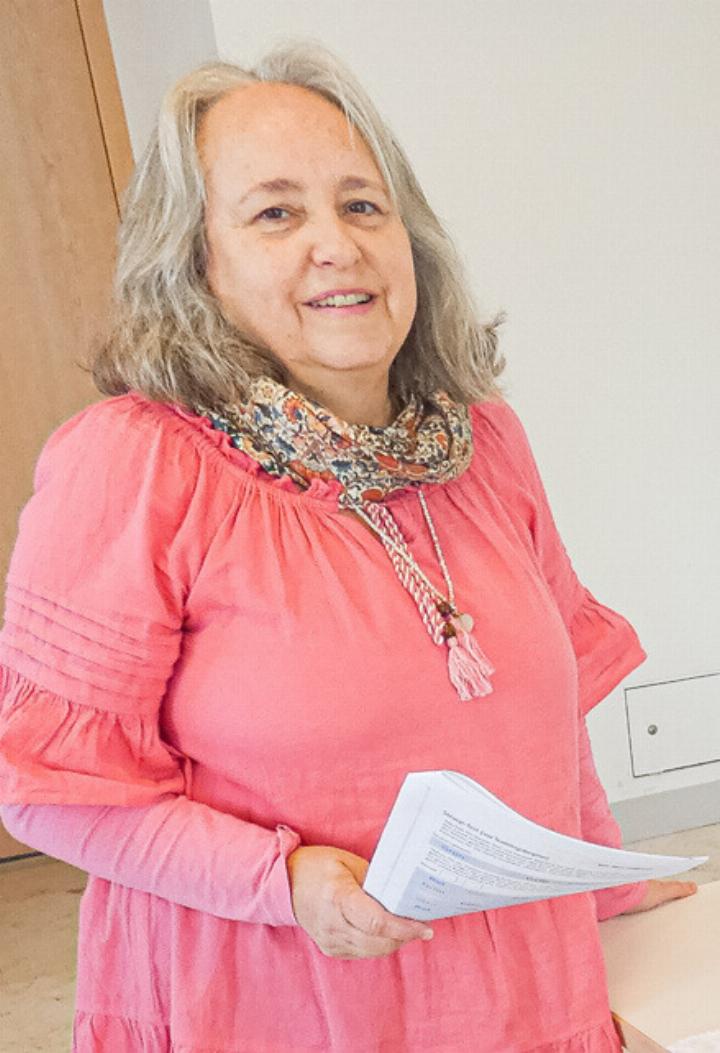
Karolina Roth (56), a memory trainer from Nusshof, has been leading courses designed to enhance cognitive function in older adults for several years. These courses,offered every two weeks in Gelterkinden and Zunzgen,are organized in collaboration with local women’s associations. A recent visit by “Volksstimme” to one of Roth’s sessions revealed practical techniques for improving everyday memory.
Roth emphasizes teh brain’s capacity for betterment, stating, “The brain is a muscle that, like many others, needs training.” While many seniors actively participate in physical fitness activities like age gymnastics, hiking, or gym visits, Roth notes a hesitation towards memory training, citing a “certain inhibition threshold.”
She explains that an underused brain becomes like a congested jungle,forcing the mind to take inefficient detours to retrieve information. Her training, completed through the Swiss Association for Memory Training – including an internship - and culminating in a professional diploma, aims to clear these “thinking motorways.”
A common challenge addressed in the course is forgetting names. roth suggests associating a name with a memorable image or concept. Using her own name, Karolina, as an example, she prompted participants to link the letter ‘k’ with an idea – in her case, strength, demonstrated by flexing her bicep. Ueli, a 67-year-old pensioner from Diepflingen, connected his name to the letter “U” by mimicking a clock with his arm.
Roth also shared the technique of reviewing information before sleep, claiming it can improve retention by approximately 70 percent. The session then moved to word association exercises, starting with “eyes” and “see,” challenging participants to generate related terms – including “eye lens,” “chicken eyes,” “ophthalmologist,” and “eye test.” These exercises were supported by provided worksheets.
Further activities included unscrambling letters to form words (“Weigeneuda” becoming “feast for the eyes”), reading words backwards, and writing with the non-dominant hand.
Roth highlighted the brain’s preference for ease, noting that activities like watching television require less mental effort than reading.Thus, regular memory training is crucial. This training can also incorporate arithmetic exercises, completing number sequences, or identifying incorrectly labeled colors.
She explained that engaging in unusual activities helps to reactivate “overgrown” thinking paths. Examples include taking alternative walking routes, focusing on sounds and smells in nature, mentally calculating grocery costs, or remembering neighbors’ names. “There are an infinite number of opportunities for thinking,” Roth stated, adding that even counting stairs can be beneficial.
Roth pointed out that the benefits of memory training aren’t limited to seniors, as even younger individuals can forget items like umbrellas or shopping bags.
