
Endurance Exercise and Colon Health: A New Area of examination
Recent research has sparked a renewed discussion about the potential health impacts of high-volume endurance exercise, echoing a debate from roughly a decade ago concerning the link between intense training and heart health. Earlier studies suggesting that even moderate running - as little as 20 miles per week – could pose cardiac risks were later found to contain significant statistical errors. Those initial studies often focused on individuals with extreme training histories, including participation in numerous ultra-endurance events.
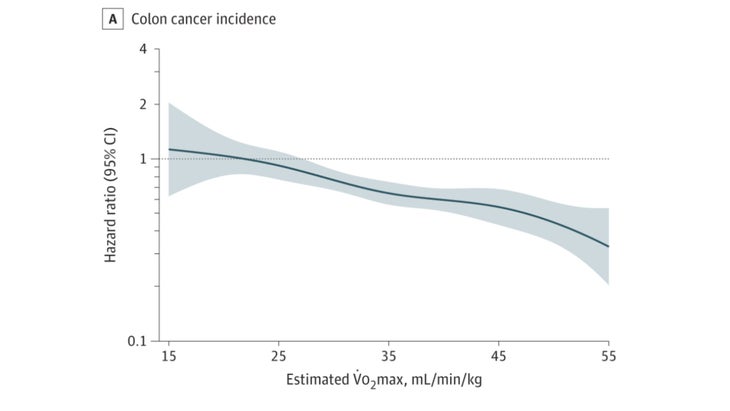
A new study is now examining a possible connection between endurance exercise and colon cancer risk. Participants were required to have completed at least two ultramarathons of 50 kilometers (31 miles) or longer, or a minimum of five official marathons. While this level of activity exceeds typical recreational running, it doesn’t necessarily define an individual as an extreme athlete within the running community. The study investigates whether this volume of exercise could negatively affect colon health.The hypothesis centers on the idea that prolonged, strenuous exercise may divert blood flow away from the colon, potentially depriving cells of oxygen and leading to inflammation and cellular damage.
Currently, it’s premature to draw definitive conclusions. The study’s findings could represent a genuine risk,a statistical anomaly,or be influenced by other factors. For example, it’s possible that individuals who volunteered for the study were already aware of pre-existing bowel health concerns.Further research is needed to clarify the relationship between endurance exercise and colon health.
However, it’s vital to consider the broader context of exercise and health. Decisions about exercise levels should be made holistically, taking into account the benefits to cardiovascular health, lung function, mental well-being, and other factors. The overall health benefits of exercise generally outweigh the risks of inactivity.
In the meantime, individuals should be proactive about their health. The American Cancer Society recommends beginning regular colon cancer screening at age 45.
