
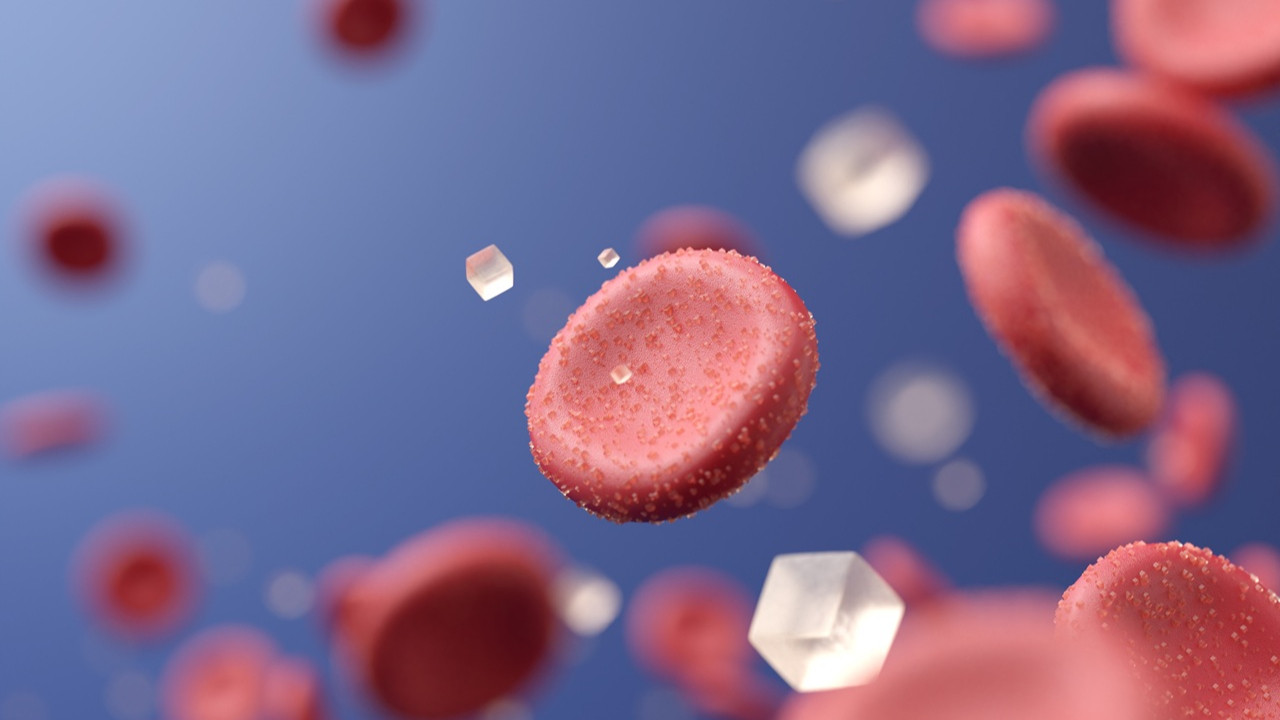
Cholesterol Levels Dropped in One Month with Focused Lifestyle changes
LONDON – A new report details how one individual successfully lowered their high LDL cholesterol levels within a four-week period through a targeted diet and exercise program, offering hope for the many in the UK discovering elevated cholesterol during routine health checks. Despite maintaining a regular exercise routine, many individuals are surprised to learn their cholesterol is high, highlighting the complex factors contributing to the condition.
Cholesterol, a naturally occurring fatty substance vital for cell health, can pose a health risk when levels become too high, increasing the risk of heart attack and stroke. Factors contributing to high cholesterol include diet, inactivity, smoking, age, gender, and genetics.
“Bad cholesterol LDL causes fat accumulation on the vessel walls and increases the risk of heart attack and stroke,” explained metabolic medicine specialist Dr. Jaimini Cegla to The Times. “Good cholesterol HDL carries excess cholesterol back to the liver and removes it from the body.”
One participant, initially recording an LDL cholesterol level of 3.1 (with a healthy target below 3), implemented a four-week program led by dietician Louise Carter. The program focused on long-term dietary adjustments rather than rapid fixes, emphasizing fiber intake and reduction of saturated fats and alcohol.
after four weeks, a follow-up blood test revealed the participant’s LDL level had dropped to 2.9, falling within recommended health guidelines. The successful routine included:
* Increased Exercise: Doubling daily running and walking sessions, with aerobic exercise identified as especially effective.
* Eliminating Processed Foods: Removing chips and foods cooked in processed oils to reduce saturated fat.
* High-Fiber Diet: Consuming oats, flax seeds, and fruits to leverage soluble fiber’s ability to bind LDL cholesterol.
* Plant Sterol-Rich Margarine: Substituting butter with margarine fortified with plant sterols to inhibit cholesterol absorption.
* Prioritizing Sleep: Maintaining consistent sleep patterns for optimal LDL regulation.
* reduced Sugar Intake: Limiting pastries and sweets high in saturated fat.
* Moderate Red Meat Consumption: Restricting red meat intake to twice weekly.
* Increased Vegetable & Legume intake: boosting fiber consumption through ample vegetables and legumes.
* Alcohol Limitation: Significantly reducing alcohol consumption,as it converts to cholesterol in the liver.
Source: Newspaper Oxygen
