
climate Change and Rising Insurance Costs in Iowa
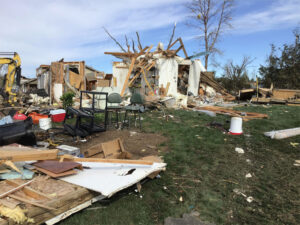
A new report highlights the growing financial impact of climate change on Iowa, extending beyond those who directly file insurance claims. Dave Courard-Hauri, a professor of environmental science and sustainability at Drake University, emphasizes that increasing risks from extreme weather events will led to higher costs for everyone. He points out that escalating homeowners insurance premiums, or even insurers withdrawing from high-risk areas, could destabilize the housing market, particularly as insurance is often required for mortgages.
Farmers are particularly vulnerable to thes natural disasters, but the report suggests the customary “american dream” of homeownership may become less attainable for Iowa families as climate change drives up insurance costs.
The root cause of these changes, according to Bill Gutowski, professor emeritus of meteorology at Iowa State University, is the global rise in temperatures due to increased greenhouse gases from burning fossil fuels. Warmer temperatures hold more moisture, leading to heavier precipitation and increased flooding. This condensation also fuels storms, potentially making them stronger, especially during iowa’s severe weather season.
Data shows a significant increase in billion-dollar disasters in the region encompassing Iowa, more than doubling in the last 40 years when adjusted for inflation. Peter Thorne, a professor of occupational and environmental health at the University of Iowa, connects these Midwest events to a global trend of broken climate records and escalating losses of life and property. He explains that rising insurance premiums are driven by increased costs of labor,building materials,and reinsurance - the insurance for insurers – all of which are tied to national and international climate-related risks.
Though, property owners in Iowa aren’t powerless. Emma Stapleton, a research professor of internal medicine at the University of Iowa, suggests proactive measures like planting trees as wind buffers and utilizing “smart” building materials during construction. She also notes potential benefits from energy-efficient upgrades like improved insulation and the availability of “green update coverages” in some policies, allowing for environmentally friendly rebuilding after damage.
The report also notes that some insurance companies have already left Iowa following recent disasters, such as the 2020 derecho. Gutowski underscores the urgency of the situation, stating that the ten hottest years on record have all occurred in the last decade, with 2024 already breaking previous records, and these temperature changes are directly linked to the increasing frequency and severity of extreme weather events and associated damages.
