
Ancient ‘Hell Pigs‘ of North america Crushed Bones Like Modern Lions, New Study Finds
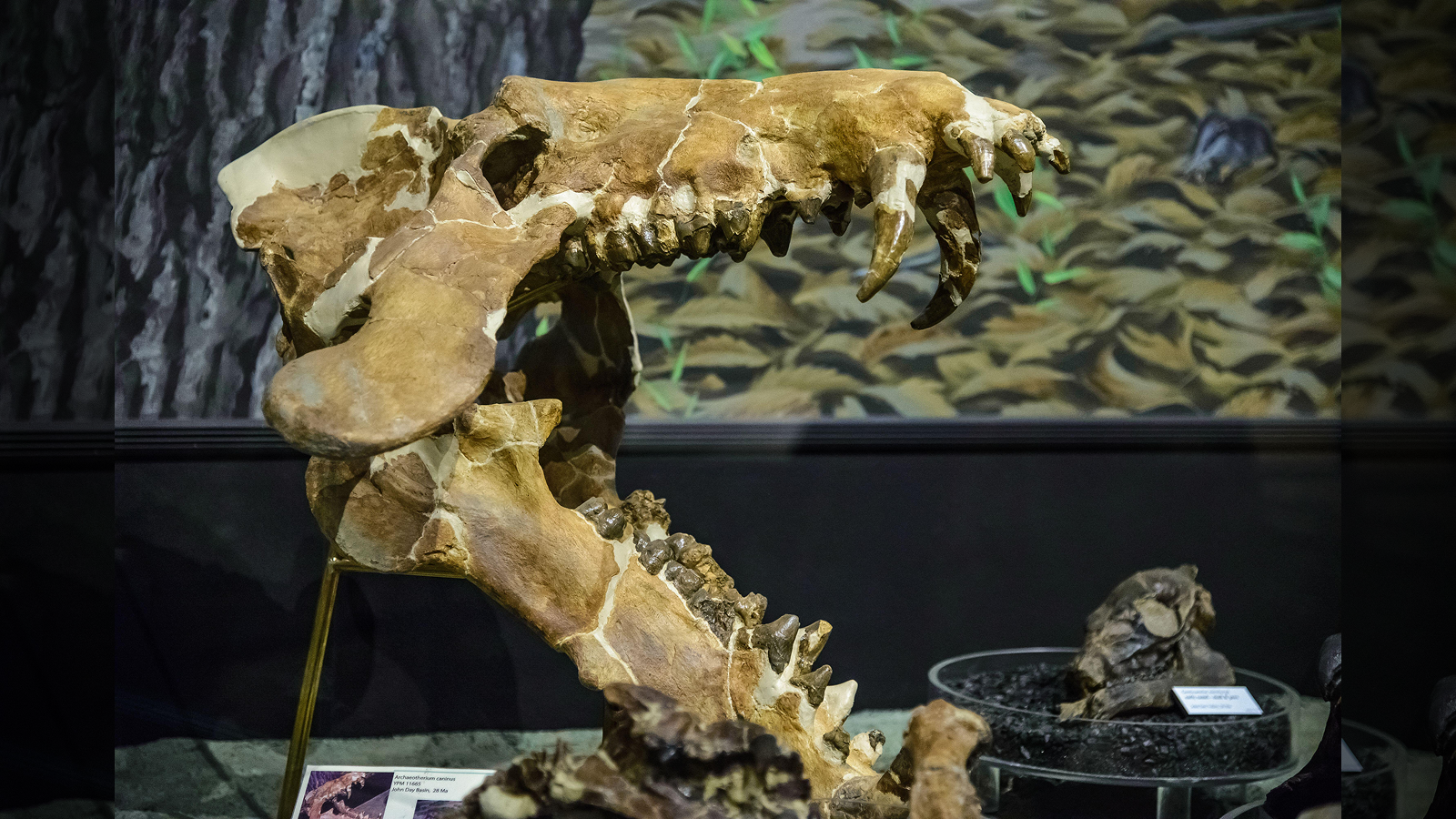
OMAHA, NE – Giant, pig-like mammals that roamed North America roughly 30 million years ago weren’t just grazers – the largest among them possessed a bone-crushing bite comparable to that of modern lions and hyenas, according to research published this week. The findings shed new light on the ecological role of Archaeotherium, often dubbed “hell pigs” due to their imposing size and aggressive reputation.
The study, led by paleontologist Ethan Wooten and Vanderbilt University associate professor Larisa DeSantis, analyzed the teeth of Archaeotherium specimens collected from Nebraska, South Dakota, oregon, and Colorado.Using dental microwear texture analysis – creating detailed 3D scans of tooth surfaces with a powerful microscope – researchers discovered a striking difference between larger and smaller individuals. While smaller Archaeotherium exhibited wear patterns similar to peccaries, which shear their food, the larger species showed wear statistically indistinguishable from that of bone-crunching carnivores.
“It’s really interesting that the large ones are capable of crunching bones,” DeSantis told Live Science. “The small ones are not.”
Archaeotherium lived during the Oligocene epoch, a period following the extinction of the dinosaurs. These animals varied considerably in size, with some weighing over 1,500 pounds.The revelation suggests the larger Archaeotherium may have employed scavenging tactics, using their size to displace other predators from kills, or supplemented their diet with tough plant matter like tubers and woody browse. Smaller individuals likely subsisted on softer vegetation such as leaves and grasses.
Wooten is now pursuing calcium isotope analysis to directly confirm the presence of bone in archaeotherium‘s diet. The research offers a new perspective on the complex feeding behaviors of these ancient mammals and their place in the prehistoric North American ecosystem.
