
German General Warns Russia Could Launch Limited Attack on NATO ‘as Early as Tomorrow’
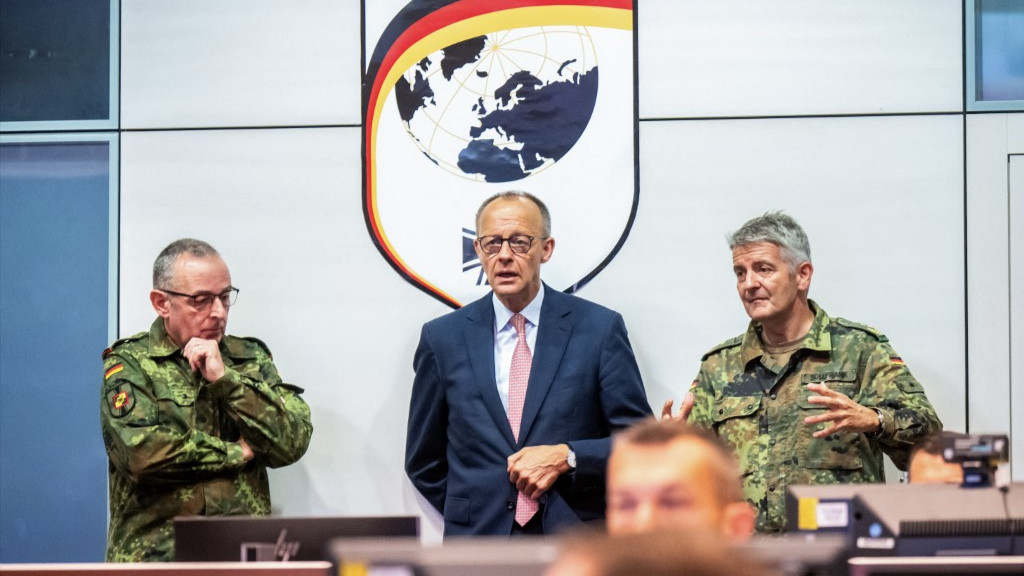
WASHINGTON - A German general has assessed that Russia possesses the military capacity for a limited attack on a NATO member “as early as tomorrow,” though there are currently no indications such an operation is being prepared. The warning comes amid heightened Western concerns about escalating Russian aggression and potential attempts to destabilize the alliance.
General Sollfrank, speaking recently, cautioned that a Russian attack remains “in the realm of the possible,” hinging on Moscow’s military strength, past actions, and current leadership. He emphasized that Russia’s ongoing “hybrid tactics,” including drone incursions and propaganda, are integral to a strategy of “non-linear warfare” aimed at intimidating and destabilizing opponents before any direct military confrontation. “Their goal is to provoke NATO, test its responses, and spread fear,” Sollfrank said.”Its warfare by intimidation.”
intelligence reports from Western nations suggest russia could attempt an attack on a NATO country within the next five to seven years, potentially using the pretext of “protecting Russian-speaking peopel,” particularly in the Baltic states. Michael cecire, a defense and security researcher at the RAND Corporation, recently briefed U.S.lawmakers that assessments from European allies indicate Russia “may be able to launch an attack against NATO within the next five to 10 years.”
NATO responded to thes concerns with Steadfast Defender 2024, its largest military exercise since the Cold War, involving over 90,000 troops and important military hardware. NATO secretary General Mark Rutte affirmed in march that any attack on a NATO ally would be met with a “devastating” response. “If anyone were to miscalculate and think they can get away with an attack on Poland or on any other ally, they will be met with the full force of this fierce alliance,” Rutte stated.
The warnings follow a recent meeting between U.S. President Donald Trump and Hungarian Prime Minister Viktor Orbán, where the situation in Ukraine and a potential “peace plan” were discussed.
