
Five Minutes a Day: How Short Bursts of Activity Can Lower Blood Pressure
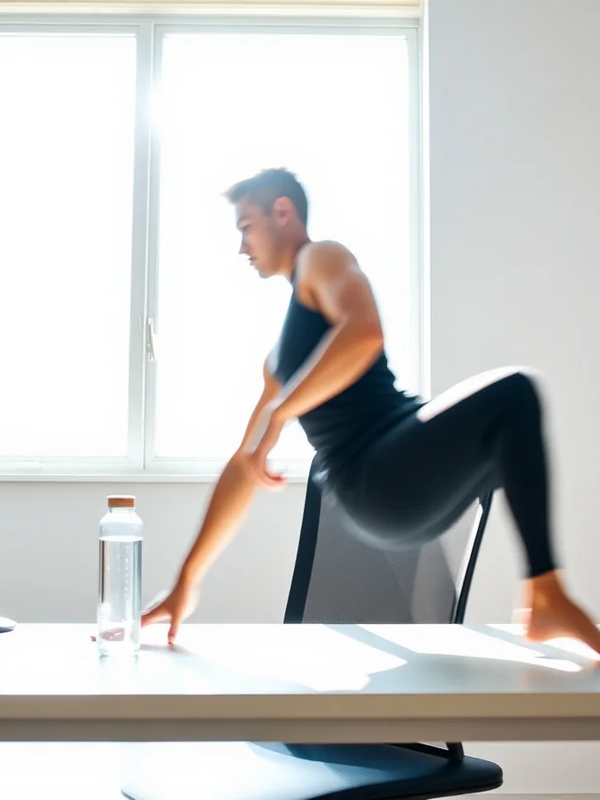
New research suggests that you don’t need lengthy workouts to considerably improve your cardiovascular health. Rather, short, vigorous bursts of activity woven into your daily routine - dubbed VILPA (Vigorous Intermittent Lifestyle Physical Activity) – can have a powerful impact, notably on blood pressure. This includes activities like rushing for the bus, carrying groceries quickly, or even energetic vacuuming.
Professor Emmanuel Stamatakis, leading the ProPASS consortium, highlights that these brief episodes are frequently enough underestimated. Studies published in the British Journal of Sports Medicine demonstrate a clear protective effect against cardiovascular events, especially for women.
How Does VILPA Work?
The benefits stem from several physiological mechanisms:
* Mitochondrial Activation: These short, intense efforts stimulate the mitochondria, the energy powerhouses within cells.
* Improved Insulin Sensitivity: Muscle contractions during VILPA help remove glucose from the bloodstream more effectively.
* Lactate as a Signal: Lactate, previously considered a waste product, now recognized as a signaling molecule that triggers crucial metabolic adjustments.
What Counts as Effective Activity?
The ProPASS data clarifies that not all movement is created equal. Here’s a breakdown:
* Minimal Impact: Sitting, lying down (neutral to negative effect); Standing (slightly better than sitting, but limited direct benefit); Slow walking (positive, but not highly effective).
* High Impact – Exercise-Like Activity: Quickly climbing two flights of stairs (equivalent to 1-2 minutes of intense exercise); Power walking the last 500 meters of your commute; Performing household chores like vacuuming or gardening wiht deliberate intensity.
The key indicator? A noticeable increase in both your pulse and breathing rate.
VILPA: A complement, Not a Replacement
While studies show VILPA can lower blood pressure by 0.68 to 2 mmHg, this effect isn’t as strong as that achieved by conventional blood pressure medication (8-10 mmHg or more). It’s crucial not to discontinue prescribed medication without consulting a doctor.
However, for individuals with slightly elevated blood pressure or risk factors, incorporating around 20 minutes of intense daily activity could be pivotal. It may even prevent the need for medication in the future.
Dr.Jo Blodgett from UCL, the first author of a Circulation study, emphasizes that for moast people, exercise – even in short, vigorous bursts – is the most effective way to lower blood pressure, surpassing less strenuous activities like casual walking.
A Shift in Public Health Recommendations
The ProPASS findings are poised to influence global movement guidelines. While the World Health Organization currently recommends 150-300 minutes of moderate activity weekly, a move towards intensity-based recommendations is gaining momentum.
Future wearable technology will likely move beyond simply tracking steps, focusing instead on measuring “intensity minutes.” This shift offers a liberating message: you don’t need to be an athlete to protect your heart and metabolism.
Seeing everyday life as a series of mini-workouts – five minutes at a time – can be enough.
PS: Additional strategies like short breathing exercises, relaxation techniques, and controlled temperature exposure can further help manage blood pressure spikes. A free report, “The 8 best measures against high blood pressure,” details a 3-minute breathing exercise and seven other promptly implementable strategies to complement exercise or medication. Download the free report now: The 8 best measures against high blood pressure
