
Evidence of Complex Chemistry on Enceladus Bolsters Hope for Life
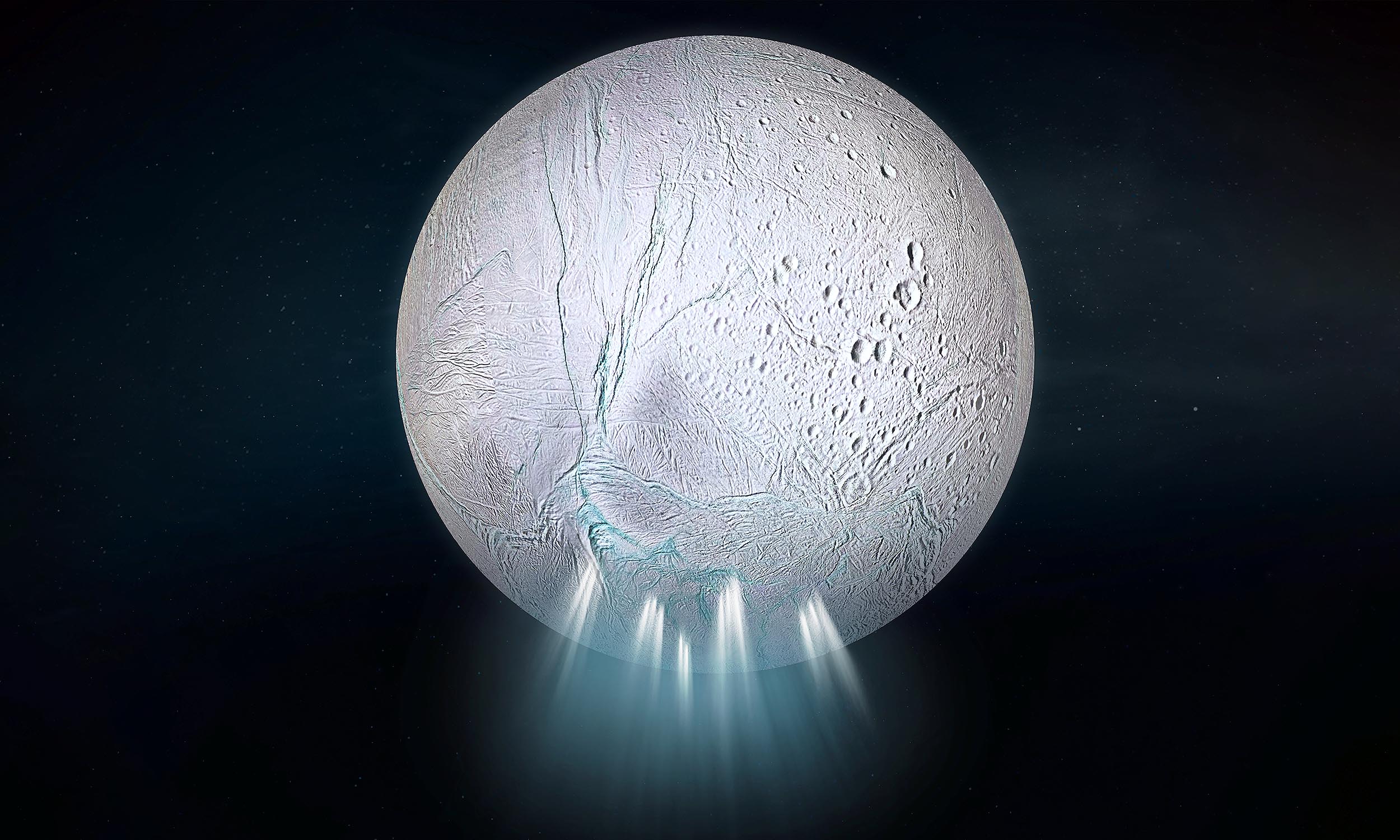
Saturn’s icy moon Enceladus continues to reveal itself as a prime candidate in the search for extraterrestrial life. New research, published in Nature Astronomy, details how the behavior of instruments aboard the Cassini spacecraft uncovered unexpectedly complex organic molecules within the plumes erupting from the moon’s subsurface ocean. The findings suggest a higher level of chemical activity then previously understood, renewing optimism that Enceladus could harbor living organisms.
For years, scientists have known Enceladus possesses a global ocean beneath its icy shell and vents this water into space through cracks near its south pole. Cassini’s instruments analyzed the composition of these plumes, identifying water, salts, and simple organic compounds. Tho, recent re-analysis of Cassini data, focusing on how the instruments responded to fast impacts from ice grains, revealed the presence of more complex organic molecules.
These organics were detected because the speed of the impacts prevented them from being obscured by clusters of water molecules – a phenomenon slower passes failed to resolve. This highlights the importance of analyzing individual grain spectra,as averaging data can mask crucial faint signals. The research validates the value of high-cadence sampling, broader mass ranges, and complementary neutral gas measurements for future missions.
The finding is informing plans for upcoming missions to Enceladus. European Space Agency studies are evaluating concepts for directly sampling the plumes and potentially landing near the south polar fractures to analyze surface frost chemistry and monitor local temperature and activity.Even a lack of detected life would provide valuable insight, challenging current assumptions about the prevalence of life in the universe.
The study underscores Enceladus’s potential as a key location in the search for life beyond Earth, offering a unique opportunity to study a potentially habitable environment within our solar system.
