
Embryo Donation Gains Popularity as Families Seek Connection
A growing number of individuals and couples are turning to embryo donation as a path to parenthood,driven by a desire for connection with the genetic origins of their children.The practice, once largely anonymous, is increasingly facilitated by platforms that prioritize transparency and allow donors and recipients to learn about each other.
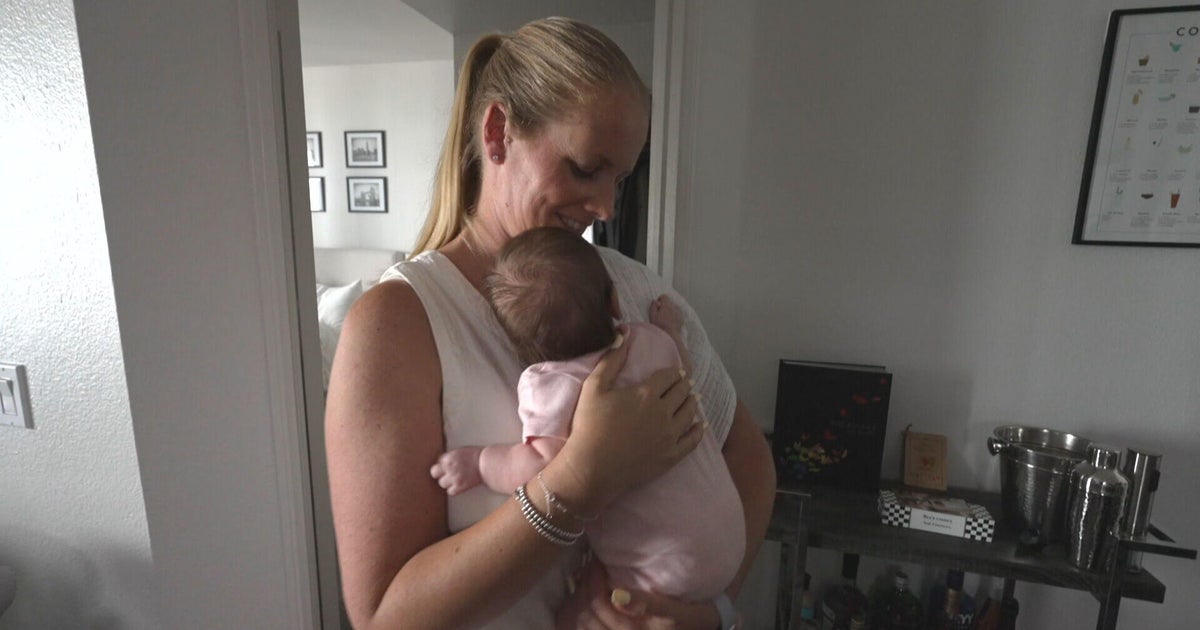
In 2023, Sarah Kilcullen welcomed her daughter, Marlowe, conceived through an embryo donation facilitated by Empower With Moxi, a platform connecting those with leftover embryos from in-vitro fertilization (IVF) with intended parents. Kilcullen intentionally sought a donation model that wasn’t anonymous,wanting Marlowe to grow up knowing her genetic family. “I just really wanted Marlowe to grow up knowing who the genetic family are, and it’s an extended family, which I think is beautiful for us and for them,” Kilcullen said.
The shift towards openness in embryo donation represents a significant change from the past. Dr. Richard Paulson, a fertility specialist at the University of Southern California’s Keck School of Medicine, and part of the team that reported the first successful birth from a frozen embryo in the U.S. in 1986, noted the historical challenges of embryo donation.”We’ve been trying to get embryo donation off the ground for a very long time,” Paulson said. “It’s very intricate to do, as of logistics, because of legal issues, because of the fact that the parents probably were not tested for genetic disease.”
Empower With Moxi, cofounded by genetic counselor Gina Davis, addresses these complexities by providing a platform where potential donors and recipients can connect and assess compatibility. “It’s not like they’re sitting on a clinic waitlist where just the next available embryo is theirs,” Davis explained. “Ther’s really some choice about, do we kind of align? Are our families similar? Do we have similar values?”
Davis and her husband personally experienced the limitations of earlier donation models, relying on Facebook to find a recipient for their 17 remaining embryos after completing their own family. “When I first started thinking about donating my embryos, most of the programs throughout the country were basically anonymous,” Davis told CBS News. “We thoght children deserve to know their genetic origins, and their families deserve to know a little bit more about their origin story.”
Kilcullen’s experience reflects this evolving landscape. She met her donors via Zoom, describing the meeting as ”like the biggest job interview” of her life. Ultimately, the donors gifted all ten of their embryos to Kilcullen, and she reports feeling an immediate bond with her daughter. “I had some reservations knowing that she wasn’t genetically mine, and would that feel any different? But no, the minute she was placed on my chest, it was, yeah, the best thing ever,” kilcullen said.
