
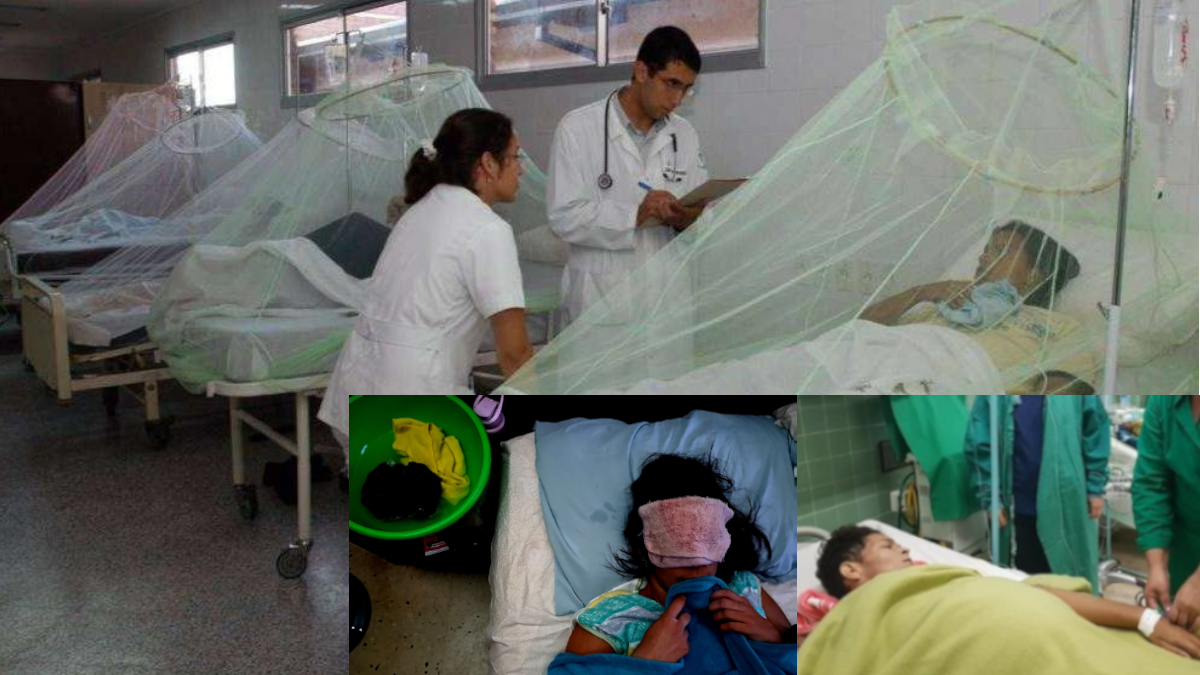
Cuban Doctor Raises Concerns Over Official Diagnosis of widespread Illness
Ciego de Ávila, Cuba – An Avilanian doctor, Verona Bonce, is sparking debate online with a detailed analysis questioning the official classification of a widespread epidemiological outbreak currently impacting Cuba. Dr. Bonce’s publication, circulating on social networks, challenges the assertion that the illness is primarily chikungunya, citing discrepancies between the current outbreak’s characteristics and past data on arboviruses in the Caribbean.
Dr. Bonce points out that chikungunya typically presents as a non-lethal illness resolving within days, with complications largely limited to the musculoskeletal system. However, she reports a significant increase in daily mortality in the province of Ciego de Ávila, rising from an average of 12-14 deaths per day to over 30.She also notes a prevalence of severe pneumonia among patients, a symptom she states is atypical for mosquito-borne viruses.
Further fueling her concerns is a perceived lack of clarity in the diagnostic process. Dr. Bonce states that confirmatory tests for dengue, Zika, or oropouche are not being consistently reported back to provinces, and questions how chikungunya is being diagnosed without widespread use of PCR tests or specific examinations within the critical first 72 hours of symptom onset.
According to Dr. Bonce, the scale of the current outbreak already surpasses historical records for the Caribbean region, which previously peaked between 13,000 and 19,000 cases.
The doctor also suggests a potential role for mutated variants of COVID-19 detected in Matanzas between July and August, hypothesizing they could be mimicking symptoms of other viruses and contributing to complex clinical presentations when combined with co-infections.
Dr. Bonce’s analysis has resonated with many online, with nurses, doctors, and citizens sharing similar observations and expressing concern over the lack of detailed official data regarding the outbreak and the increasing number of severe illnesses and deaths. The publication continues to be widely shared and debated, prompting a public discussion about the true nature of the illness affecting the country.
(Source: Guillermo rodríguez Sánchez)
