
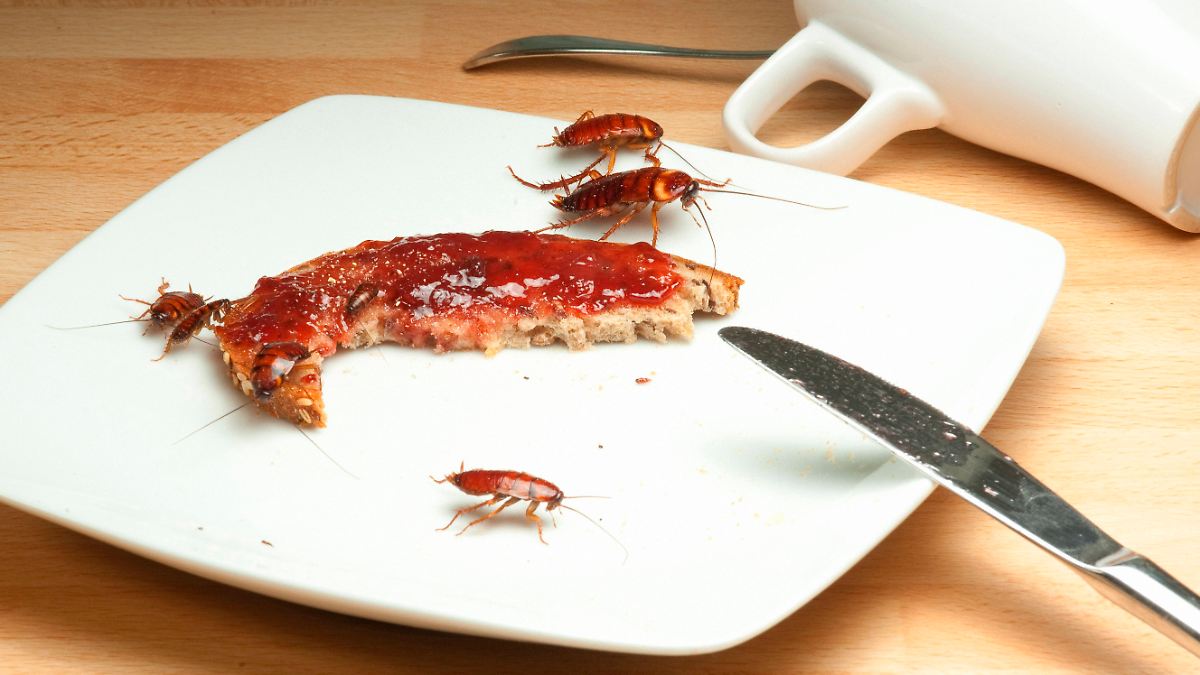
cockroach Infestation Linked too Elevated Indoor Air Pollution, Study Finds
raleigh, NC – A new study from North Carolina State University reveals that cockroach infestations considerably contribute to higher concentrations of allergens and bacterial toxins in indoor air, posing a health risk, especially to children. Researchers found that cockroach feces are a major source of these pollutants, highlighting the importance of professional pest control.
The research team, led by Coby Schal, determined the amount of allergens and endotoxins – cell components released when bacteria die - excreted by cockroaches. Previous research indicated cockroaches excrete substantial endotoxins in their feces, alongside those from pets and humans.The current study pinpointed cockroach feces as the primary source of bacterial toxins found in household dust.
“Female cockroaches eat more than males, so they excrete more endotoxins in their feces,” explained madhavi Kakumanu, a researcher involved in the study. Females were found to excrete roughly twice the amount of feces as males.
The inquiry focused on apartments in Raleigh, North Carolina, comparing infested homes – both treated and untreated – with a control group of cockroach-free apartments. Researchers collected air and dust samples before, and then again after three and six months of treatment (or lack thereof).
Results, published in the Journal of Allergy and Clinical Immunology, demonstrated that professional pest control effectively eliminated both cockroaches and the elevated levels of indoor air pollution. Allergen and endotoxin concentrations remained high in untreated, infested homes.
The team plans to further investigate the interaction between allergens and endotoxins using a mouse model to determine if they exacerbate asthma symptoms. The university announced the findings, emphasizing the need for proactive pest management to protect indoor air quality.
