
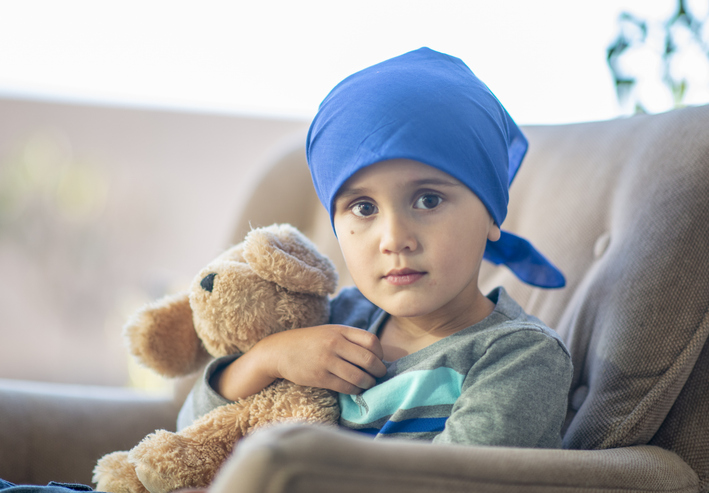
“Mom, I’m All Better”: Advancing Towards a Future Free From Childhood Cancer’s Long Shadow
For parents, the words “Mom, I’m all better” represent the ultimate hope after a childhood cancer diagnosis.While notable strides have been made – with current survival rates exceeding 87% – medical science is relentlessly pursuing a 100% survival rate and, crucially, a future where recovery doesn’t come at the cost of lifelong health challenges. The focus is shifting from simply surviving cancer to thriving after it.
Historically, successful cancer treatment for children often involved harsh therapies that, while eliminating the disease, could lead to long-term complications like heart disease and infertility. Recognizing this, modern pediatric oncology is prioritizing minimizing treatment toxicity, ensuring children not only beat cancer but also grow into healthy adults.
This new era of treatment is being fueled by cutting-edge technologies. Liquid biopsy offers a less invasive option to conventional tissue biopsies, detecting cancer cells through a simple blood draw, substantially reducing pain and distress for young patients. Moreover, artificial intelligence (AI) is revolutionizing treatment planning. By analyzing vast amounts of genetic data, AI helps identify customized therapies that are both more effective and have fewer side effects, tailored specifically to each child’s unique cancer profile.
Understanding the distinct nature of childhood cancer is paramount. Unlike adult cancers often linked to aging or lifestyle, childhood cancers typically stem from genetic mutations occurring during growth. This necessitates a different approach; adult medications can be particularly damaging to developing bodies.Therefore, “dedicated treatment” – therapies specifically designed for children with minimal toxicity – is essential.
While the overall childhood cancer survival rate stands at 87%, it’s vital to note this is an average. Certain cancers, like childhood leukemia and lymphoma, boast survival rates exceeding 90% thanks to advancements in treatment. However, brain tumors and some rare solid cancers remain challenging, with lower survival rates. This disparity underscores the importance of collaborative efforts, as highlighted by the American Association for Cancer Research (AACR) in its inaugural ’Children’s Cancer Status Report’, which emphasizes the need for international data sharing and cooperation to conquer these arduous-to-treat cancers.
The shift towards minimizing toxicity means a essential change in how treatment is delivered. Instead of broadly attacking all cells, the goal is to precisely target cancer cells while protecting healthy ones. Technologies like AI and targeted therapy are enabling this “precision striking” approach, allowing children to return to school, play with thier peers, and grow into healthy adults without the burden of lifelong aftereffects.
The ultimate aim is to safeguard that precious declaration: “Mom, I’m all better.” It’s a commitment to not just curing childhood cancer, but to ensuring a full and healthy life for every child who faces it.
