
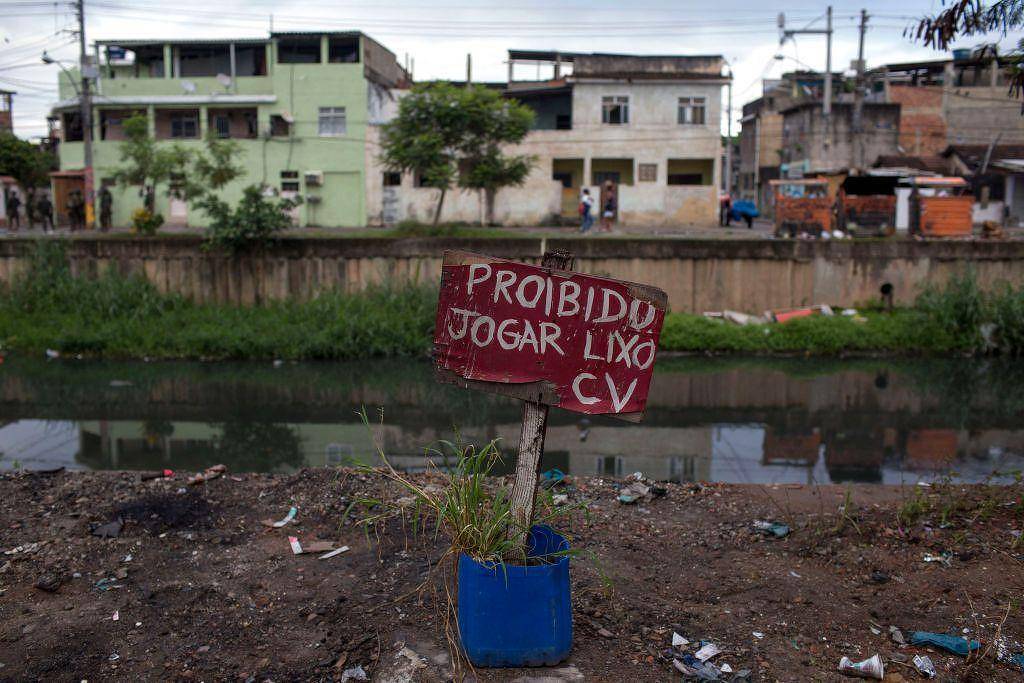
Rio Gangs Diversify Criminal enterprises, Intensifying Violence in Brazil
RIO DE JANEIRO, Brazil – Rio de Janeiro’s criminal organizations are expanding beyond the customary drug trade, establishing a network of extortion and “security fees” that terrorize communities and fuel escalating violence, according to recent reports and law enforcement officials. The shift reflects a calculated business strategy, wiht gang leaders openly acknowledging profit as a primary motive in ongoing territorial disputes.
The evolution of these criminal groups, including Comando Vermelho, demonstrates a complex understanding of revenue generation beyond narcotics. Residents near favelas report being forced to pay approximately R$2,000 (roughly $400 USD) per month for “security,” facing robbery and retribution for non-compliance. This expansion of criminal activity is occurring against a backdrop of near-constant gunfire, stemming from both gang warfare and police operations, creating a climate of fear for residents.
The recent surge in violence underscores the severity of the situation. A police operation on October 28th resulted in 121 fatalities, a figure celebrated by Governor Cláudio Castro’s administration. Though, between 2023 and 2024 alone, territorial conflicts have claimed at least 684 lives in Rio’s favelas, including children.
“Of course we’re going to profit. Who goes to war not to make money?” a Comando Vermelho leader reportedly told Folha de S.paulo in August,illustrating the pragmatic,profit-driven mindset driving the conflict.
The lines between drug trafficking organizations and militias are increasingly blurred, according to Fábio Correa, coordinator of the Special Public Security Task Force. “Trafficking and militias now engage in the same activities and oppress communities in the same ways,” Correa stated, highlighting the consolidation of power and the broadening scope of criminal control. This evolving landscape presents a significant challenge to law enforcement and underscores the urgent need for thorough strategies to address the root causes of violence and protect vulnerable communities.
