
Brazil Under Lula: A Climate Policy Shift
Luiz Inácio Lula da Silva’s return to the Brazilian presidency marks a significant shift in the nation’s approach to climate policy, reversing course after years of increased deforestation under his predecessor, Jair Bolsonaro. Despite facing opposition from a powerful agribusiness lobby in Congress seeking to weaken environmental protections, adn criticism for supporting oil exploration expansion, Lula has prioritized environmental recovery.
Upon taking office,Lula declared “Brazil is back” at COP27 in egypt,pledging to protect the Amazon rainforest – a critical global carbon sink. He further signaled this commitment by announcing plans to host COP30 in the Amazon region, aiming to provide world leaders with firsthand exposure to the ecosystem’s importance. A key appointment bolstering this agenda was Marina Silva as Environment Minister, a figure who previously oversaw substantial deforestation reductions during Lula’s first term.
the administration has focused on rebuilding Brazil’s environmental agencies and reactivating the Amazon Fund, a crucial international financing mechanism for forest protection that had been suspended under Bolsonaro.Lula has set a goal of achieving zero deforestation by 2030.
Early results demonstrate progress. Deforestation rates, which reached over 10,000 square kilometers in 2022 – roughly the size of Lebanon – fell to 4,200 square kilometers by 2024, representing a reduction of more then half. Forest loss has also slowed in the Cerrado,a vital tropical savannah region. However, 2024 also saw Brazil experience one of its worst years for forest fires, exacerbated by a historic drought linked to climate change, with fires becoming a major driver of deforestation.
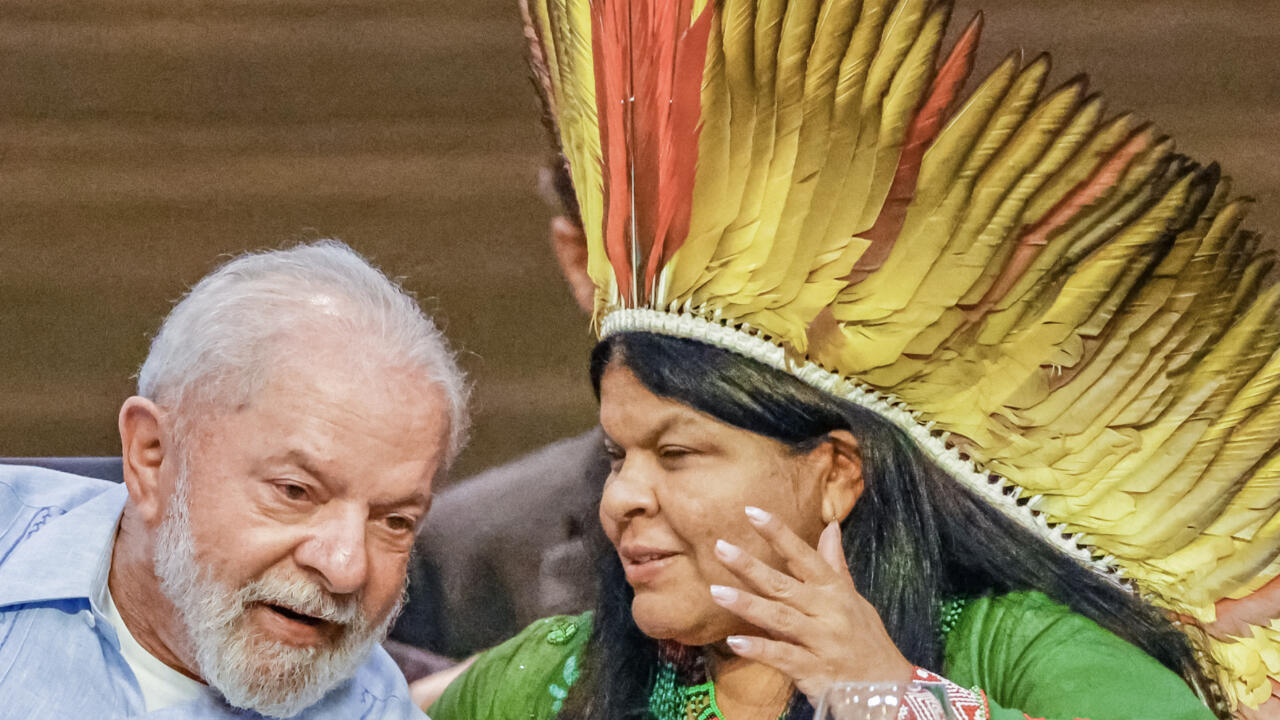
Recognizing the importance of Indigenous land rights in preventing deforestation, Lula’s government established an Indigenous people’s ministry and legalized 16 Indigenous reserves, reversing a period of paralysis in the demarcation process. Over 180,000 square kilometers of Indigenous lands – an area comparable to Uruguay – were cleared of illegal invaders, restoring access and traditional practices for local populations. Experts, like Marcio Astrini of the Climate Observatory, emphasize the lasting impact of these land protections, noting that thay are arduous for future administrations to reverse.
Furthermore, Brazil is spearheading a global financial initiative, the Tropical Forest Forever Fund (TFFF), designed to mobilize over $100 billion in public and private capital for forest conservation. Lula announced a $1 billion investment in the TFFF during a speech at the UN General Assembly, positioning it as a central contribution to international climate efforts.
