
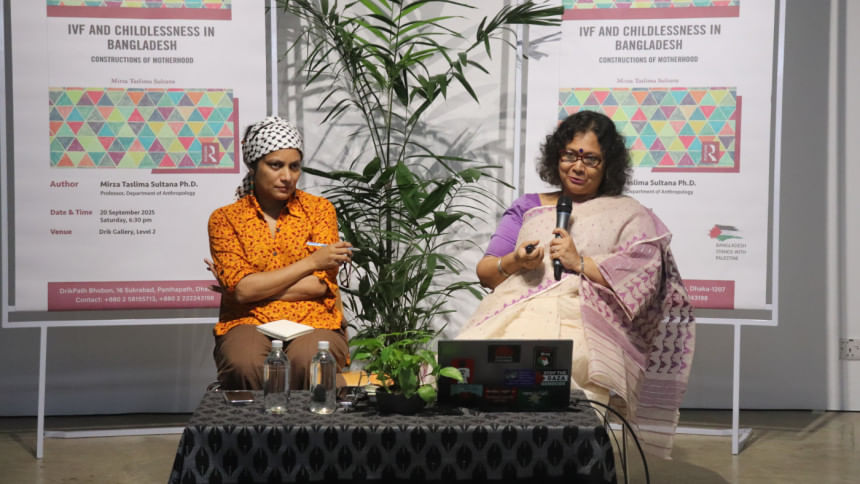
New Book Explores IVF‘s Impact on Motherhood and Cultural Norms in Bangladesh
DHAKA – A new book examining the introduction of In Vitro Fertilization (IVF) in Bangladesh and its influence on cultural understandings of motherhood and childlessness was launched today, sparking discussion about reproductive technologies and societal expectations. The book, authored by an anthropology professor, details research conducted around 2010, revealing a complex interplay between scientific advancement, media portrayal, feminist perspectives, and policy gaps.
The author began her presentation by noting the surprise some in scientific fields express at an anthropological study of IVF, emphasizing the long-standing tradition of sociologists and anthropologists examining the societal impact of science and technology.Her research centers on how IVF has reshaped perceptions of motherhood and childlessness within Bangladeshi culture.
A key insight stemmed from an interviewee who expressed a desire to attempt IVF despite acknowledging a fulfilling life without children, stating, “Still, I want to carry a child, in case I ever regret it.” This internal conflict highlighted the strong cultural value placed on motherhood, particularly for married women in Bangladesh.
The book analyzes how IVF is presented in the Bangladeshi media, often as a “miraculous solution” promising happiness and reinforcing the notion that motherhood is essential, and childlessness leads to marital or social problems.
The study acknowledges a limitation in its focus on middle-class women,who were the primary demographic with access to IVF treatment at private hospitals during the 2010 research period.
Interviews with feminist activists – including Ayesha Khanam, Sultana Kamal, Farida Akhter, Shireen Huq, and maleka Begum – revealed broad support for IVF, with Ayesha Khanam describing it as a “khirki” (window) offering new possibilities. However, activists expressed caution about advocating for IVF as a national agenda due to potential conservative opposition. The author also noted the absence of formal policy regulating IVF in Bangladesh, 24 years after its introduction.
During a question-and-answer session, audience members raised concerns about the lack of male participation in reproductive research and the cultural prioritization of biological motherhood over adoption.
