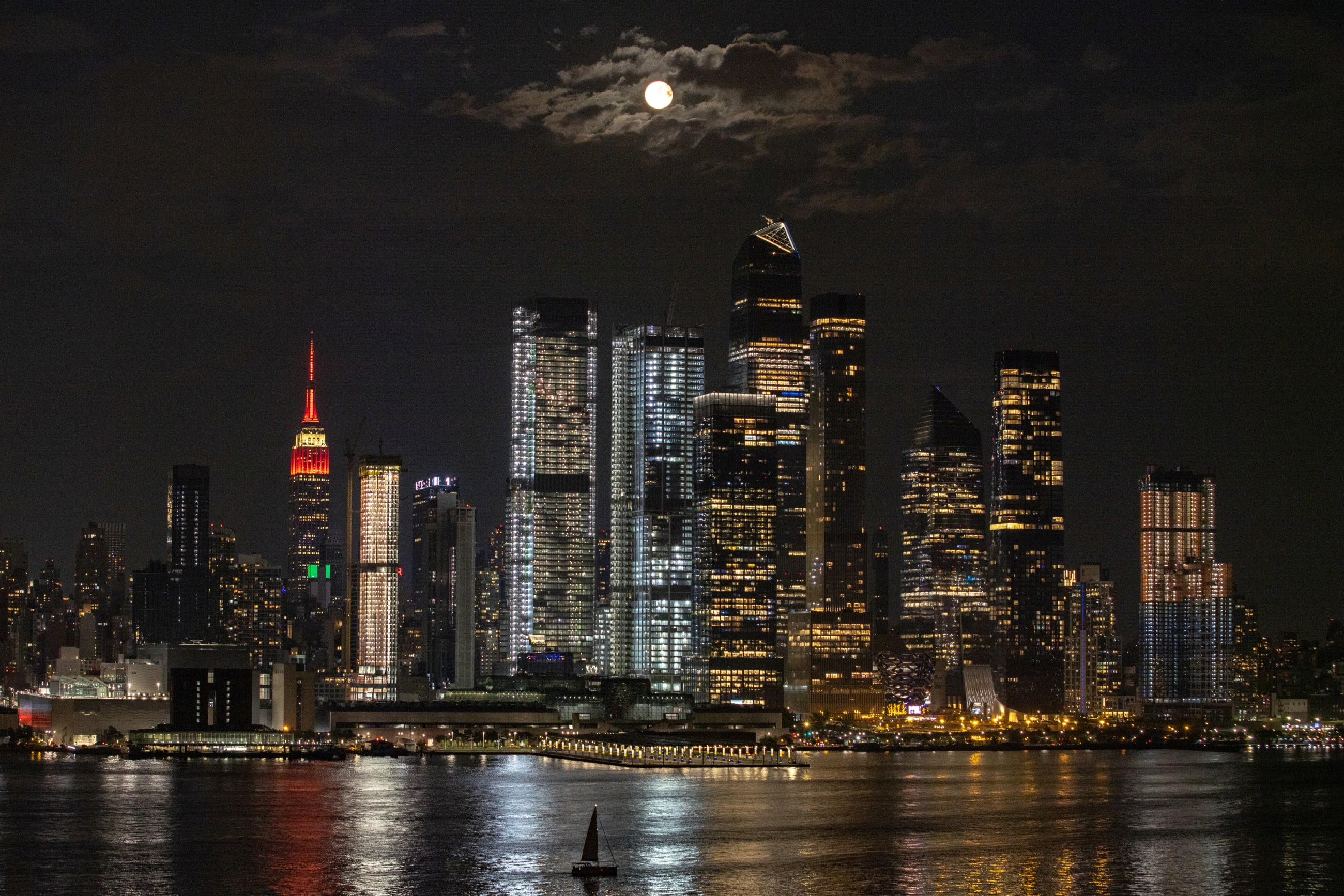
## The Growing Need for Light Pollution Awareness in Urban planning
as cities strive to create healthier and more enduring living environments, addressing artificial light at night (ALAN) is becoming increasingly crucial. While efforts often center on reducing heat and improving air quality, the impact of excessive and poorly directed light on both ecosystems and human well-being deserves equal attention. The aim is to develop urban centers that prioritize sustainability *and* public health.
Fortunately, light pollution is a uniquely addressable environmental issue. Municipalities already possess the regulatory tools - street light management, zoning ordinances, and building codes – needed to enact change.The focus shouldn’t be on eliminating urban illumination, but on implementing it more thoughtfully. Practical adjustments can yield important results: shielding outdoor lights to direct illumination downwards, dimming or turning off lights during periods of low activity, utilizing motion sensors, and opting for warmer-colored light bulbs all minimize ecological disruption while preserving safety. Limiting decorative and landscape lighting during sensitive seasons can also contribute to positive outcomes.
These measures are not only feasible and cost-effective, but offer a range of benefits beyond plant health. They conserve energy, restore visibility of the night sky, and safeguard both natural ecosystems and human health.Considering that the United Nations projects 68% of the global population will reside in urban areas by 2050, effectively managing light pollution presents a significant opportunity for urban sustainability. Several states and cities are already taking action. Such as, Connecticut recently passed a “Lights out” law to protect birds, and New York City is increasing it’s focus on mitigating light pollution. The same strategies employed in these locations – fully shielded fixtures, reduced unneeded lighting, motion sensors and dimmers, and a shift towards less disruptive wavelengths – can also protect plant life and, consequently, the people who depend on it.
Integrating ALAN considerations into urban planning allows cities to build a future where progress and the health of the natural world are not mutually exclusive, but rather exist in harmony.