
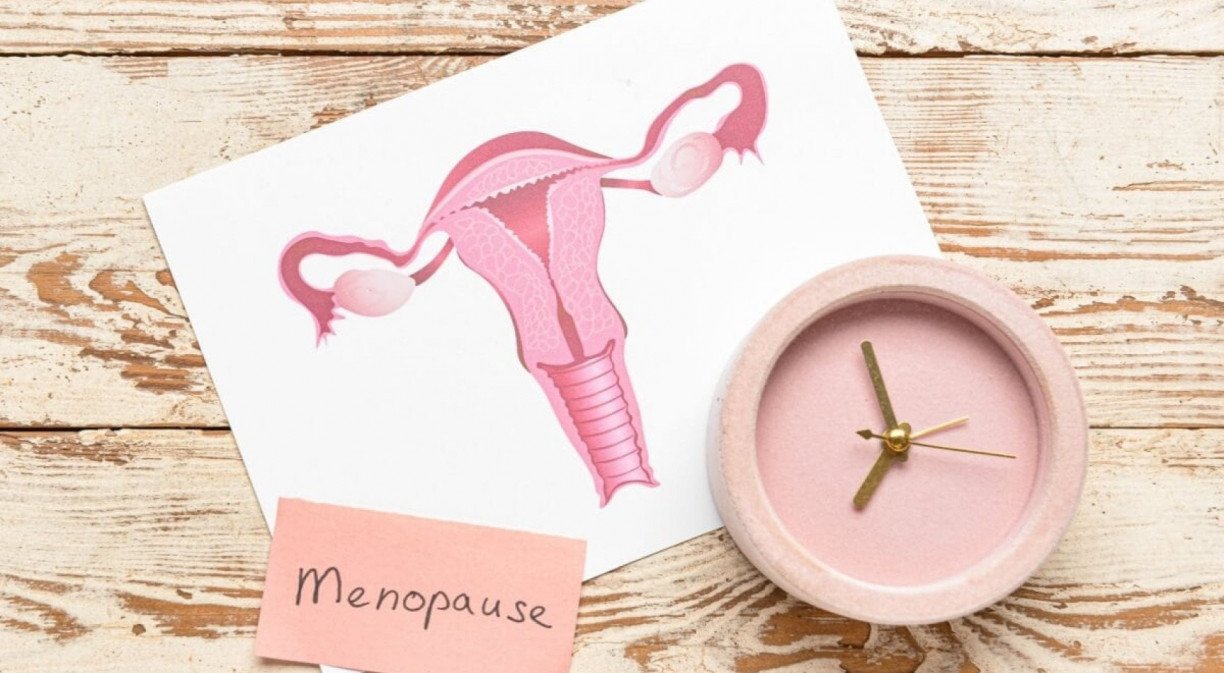
Untreated Menopause Symptoms Affect Nearly Half of Brazilian Women, Study Reveals
SÃO PAULO – A significant gap in care leaves almost half of Brazilian women experiencing menopausal symptoms without receiving any form of treatment, according to recent research highlighting widespread misinformation and persistent taboos surrounding this natural life stage. The findings underscore a critical need for improved physician education and open communication with patients about available options,including hormone replacement therapy (HRT).
The lack of adequate care impacts millions of women navigating the physical and emotional changes of menopause, perhaps diminishing their quality of life and hindering proactive health management. While HRT remains the most effective treatment for alleviating symptoms,a concerning number of women are not even presented with this possibility by their doctors,or recieve limited information about it. This comes as a new survey reveals a strong positive correlation between HRT use and improved well-being, yet fear and outdated perceptions continue to fuel resistance.
According to the data, 53% of women reported their doctors never discussed HRT as a treatment option, and an additional 14% were offered only a single solution without a extensive conversation. Despite a 2024 survey by Editora Abril demonstrating that 75% of women utilizing HRT experienced a notable betterment in their overall quality of life, anxieties persist. Twenty-two percent of respondents associate HRT with an increased cancer risk, while 27% fear weight gain and 18% express concerns about cardiovascular issues.
“We are talking about a biological and predictable condition, which should be discussed by everyone,” explains Dr. Ilza Monteiro. “But there is still misinformation and taboos that prevent adequate care.” She clarifies that fears surrounding HRT and cancer stem from older, misinterpreted studies, asserting that the treatment is safe and highly effective for the majority of women.
The research also revealed significant knowledge gaps among healthcare professionals regarding newer HRT methods. Only 2% of patients were informed about the hormonal IUD, a cost-free option available through health plans that provides endometrial protection. Alarmingly, only 30% of women are even aware of its existence.
Dr. Monteiro emphasizes the basic right of women to be fully informed. “Women need to know all the options to decide, together with their doctor, what is best for their body and their quality of life.” The findings call for a renewed focus on educating both medical professionals and the public to dismantle stigmas and ensure women receive the support they need during menopause.
