
Massive Ground Fracture Detected Beneath Italy‘s Campi Flegrei Volcano
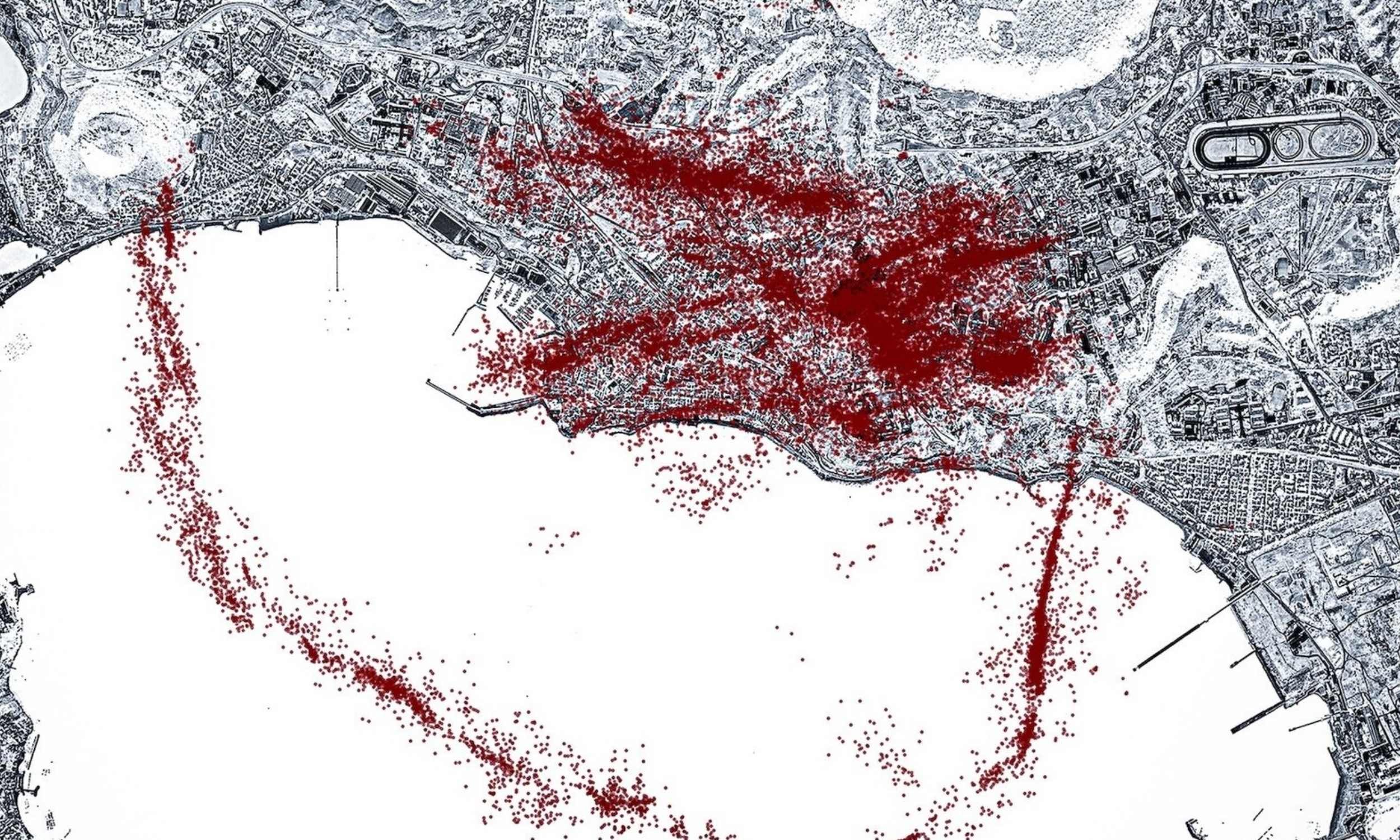
Naples, Italy – A significant fracture has been detected beneath Campi Flegrei, a supervolcano near Naples, Italy, prompting increased monitoring and preparedness efforts. The discovery, detailed in a recent Science journal publication, reveals a network of faults concentrated in a ring around the caldera, offering new insights into the volcano’s behavior and potential seismic activity.
Campi Flegrei, known for periods of rising and falling ground – a phenomenon called bradyseism – has been undergoing uplift at an average rate of 15 millimeters per month since April 2025. While scientists currently see no evidence of rising magma,the newly mapped fracture system indicates that pressurized fluids and fault movements are primary drivers of the ongoing unrest. The uplift is causing approximately 0.6 inches of ground deformation each month, adding stress too both faults and structures in the area.
Researchers utilized a machine learning model to analyse seismic data, transforming scattered fault locations into a clear map outlining potential shaking zones. This refined understanding allows engineers to better assess building vulnerability and emergency planners to strategically position resources like shelters, ambulances, and road clearance teams.
“The new map sorts scattered dots into clear lines, which lets engineers estimate the realistic range of shaking a given fault can produce,” the article explains.
Italy’s Civil protection agency maintains an emergency plan dividing the region into red and yellow zones based on eruption and ash hazard levels. Guidance outlining evacuation routes and response priorities is available at https://www.ov.ingv.it/index.php/monitoraggio-e-infrastrutture/bollettini-tutti/boll-sett-flegrei/anno-2025/1889-bollettino-flegrei-2025-10-14/file.
Authorities advise residents to familiarize themselves with their designated zone,secure heavy furniture,and stay informed through updates from the Istituto Nazionale di Geofisica e Vulcanologia (INGV).
While the model doesn’t predict eruption timing, it identifies areas where stress is accumulating, providing crucial facts for communities living near the restless volcano. The approach developed at Campi Flegrei could be applied to other seismically active volcanic systems with existing monitoring networks.
