
Adding years to Your Life: The Power of Movement and Connection
Maintaining independence and a good quality of life are key concerns as we age. Fortunately, research consistently demonstrates a strong link between lifestyle and longevity. Studies suggest that incorporating regular physical activity into your routine can significantly increase both lifespan and healthspan – the years lived in good health.
A long-term study from Harvard University School of Medicine and Public Health revealed that walking can add 3 to 4 years to your life expectancy, on average. This is particularly impactful due to walking’s accessibility and its benefits in reducing the risk of cardiovascular disease, aiding weight management, and promoting mental well-being. Aiming for at least 30 minutes of brisk walking daily is considered a valuable habit for extending life.
Beyond walking, other forms of exercise offer substantial benefits. Research from Shanghai University in china indicates that practicing Tai Chi Chuan can increase average life expectancy by 2 to 3 years. Tai Chi’s slow, controlled movements and breathing exercises improve balance, reducing the risk of falls, while also alleviating stress and improving blood pressure. It also supports cognitive function and mental stability, crucial for healthy aging.
Combining findings from these and other studies, a range of activities stand out as particularly beneficial. these include tennis,badminton,soccer,cycling,swimming,jogging,gymnastics,weight training,walking,and Tai Chi. collectively, these exercises are associated with an average lifespan increase of 1.5 to 9.7 years, though it’s crucial to note the varying methodologies of the individual studies.
the positive effects of exercise extend far beyond physical strength. They are deeply connected to social interaction, mental health, and the establishment of consistent routines. Exercise isn’t just about physical fitness; it’s a pathway to improved quality of life and increased longevity.
Frequently Asked Questions:
Q1. Are there exercises that extend lifespan more than walking?
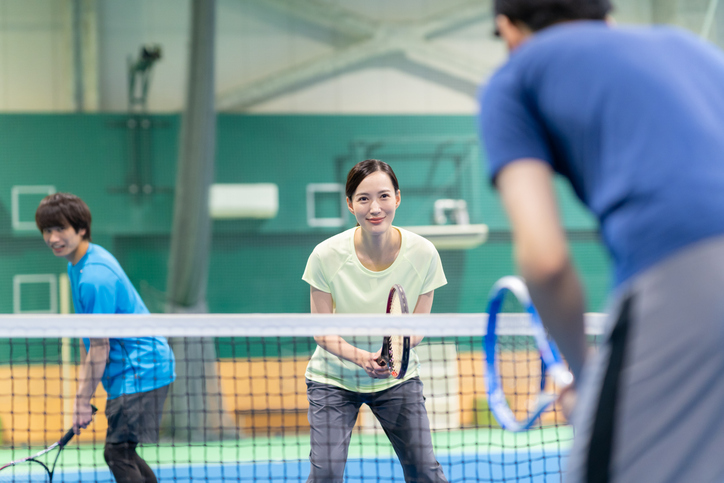
A1. Yes. A study conducted at the University of copenhagen in Denmark found that tennis can add up to 9.7 years to life expectancy, badminton 6.2 years, and soccer 4.7 years - exceeding the 3-4 year increase associated with walking (as per the Harvard University study). The research highlighted that activities involving greater social interaction appear to have a particularly strong impact on longevity.
Q2. What sports are popular in Korea?
A2. According to a National Sports Survey by the Ministry of Culture, Sports and Tourism and the Korea Sports Council, there are 62 officially recognized sports in Korea. These encompass a wide variety, including ball games like soccer, basketball, badminton, table tennis, tennis, golf, and bowling; martial arts such as Taekwondo, Judo, Kendo, and Hapkido; leisure and outdoor activities like mountain climbing, cycling, and camping; fitness sports like health, yoga, pilates, and aerobics; and water and ice sports including swimming, skiing, and skating.
Q3. How does exercise contribute to a longer lifespan?
A3. Exercise provides both physical and mental benefits. Physically, it strengthens the cardiovascular system, maintains muscle mass, and improves vascular health. Mentally, it reduces stress and fosters social connections. Participating in team sports like tennis, badminton, and soccer offers the added benefit of social interaction, which protects mental well-being. Moreover, consistent exercise habits, such as walking, jogging, and Tai Chi, contribute to long-term health maintenance. Ultimately, the key to a long and healthy life isn’t a miracle cure, but a commitment to regular physical activity, social engagement, and finding joy in movement.
