
titan Sub Disaster: Netflix Doc Exposes OceanGate’s fatal Flaws
Table of Contents
- titan Sub Disaster: Netflix Doc Exposes OceanGate’s fatal Flaws
- A Preventable Tragedy Unfolds
- Netflix Documentary Unearths Damning Evidence
- The Cult of Personality and Disregard for Safety
- Key Events Leading to the Titan Sub Disaster
- Lessons Learned and Future Implications
- Evergreen Insights: The Broader Context of Deep-Sea Exploration
- Frequently Asked Questions About the Titan Sub Disaster
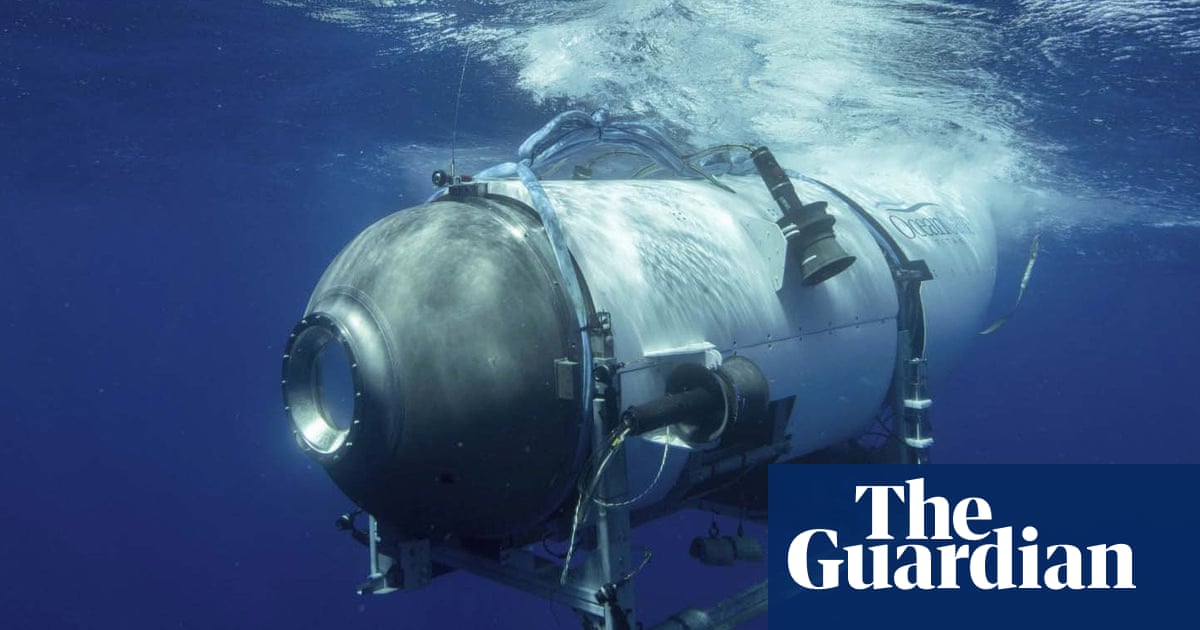
Netflix’s new documentary, “Titan: The OceanGate Disaster,” delves into the series of decisions and oversights that led to the catastrophic implosion of the Titan submersible in June 2023. The film, released in June 2024, scrutinizes OceanGate’s approach to deep-sea exploration, revealing a pattern of prioritizing innovation over established safety protocols. The tragedy claimed the lives of all five passengers, including stockton Rush, the CEO of OceanGate.
A Preventable Tragedy Unfolds
The Titan submersible, designed for commercial voyages to the wreck of the Titanic, imploded at a depth of approximately 3,300 meters, roughly 90 minutes into its descent. The incident sparked international concern and a frantic search-and-rescue operation that ultimately turned into a recovery mission. The passengers included British explorer Hamish Harding, British-Pakistani businessman Shahzada Dawood and his son Suleman, French diver Paul-henri Nargeolet, and OceanGate CEO Stockton Rush.
Even before the wreckage was located, reports surfaced questioning OceanGate’s safety record. Whistleblowers had previously raised concerns about the structural integrity of the sub’s carbon fiber hull, warning of potential implosion risks. These warnings, as the documentary reveals, were largely ignored by Rush, who pursued commercial ventures without third-party certification, a standard practice in the submersible industry.
did You Know? The U.S. Coast Guard is still investigating the incident, and their final report is expected to provide further insights into the causes of the implosion.
Netflix Documentary Unearths Damning Evidence
According to Mark Monroe, the director of “Titan: The OceanGate Disaster,” the documentary aims to expose the decision-making process that made the sub’s implosion “virtually guaranteed.” The film utilizes company footage,data,files,and interviews with former employees and whistleblowers to paint a comprehensive picture of a company driven by ambition but lacking in crucial safety measures.
Unlike other documentaries that focus on the timeline of the final mission, Monroe’s film examines the decade-long progression toward disaster. It highlights numerous instances where flashy ambition took precedence over safety, a pattern that ultimately led to the tragic loss of life.
David Lochridge, OceanGate’s former operations director, features prominently in the documentary. He recounts his initial enthusiasm for the company’s mission to revolutionize deep-sea travel but details his growing concerns about the use of carbon fiber, a material never before tested at extreme depths. Lochridge’s concerns,along with those of other engineers,were reportedly dismissed by Rush.
Pro Tip: Always research the safety record and certifications of any company offering high-risk expeditions before participating.
The Cult of Personality and Disregard for Safety
The documentary portrays Rush as a charismatic but headstrong leader who openly admired tech entrepreneurs like Jeff Bezos and Elon Musk. He fostered a company culture that valued innovation and speed over caution, a mindset that ultimately proved fatal.
Rush’s claims of partnerships with Boeing, NASA, and the University of Washington were also called into question. A Boeing engineer involved in the Titan’s early designs warned Rush in 2012 of a “high risk of a significant failure” at depths exceeding 4,000 meters. Despite this warning, Rush continued to pursue commercial voyages to the Titanic wreck.
Lochridge’s concerns about the Titan’s safety led to his termination from OceanGate. He filed a whistleblower complaint with OSHA, but OceanGate sued him for disclosing confidential information. The legal costs forced Lochridge to withdraw his complaint, effectively removing a crucial layer of regulatory oversight.
The documentary also reveals that the Titan produced loud cracking sounds during previous dives, which Rush dismissed as the carbon fiber “seasoning” with use. This disregard for potential warning signs further underscores the company’s reckless approach to safety.
Key Events Leading to the Titan Sub Disaster
| Date | Event |
|---|---|
| 2009 | oceangate Founded |
| 2012 | Boeing Engineer Warns of Potential Failure |
| 2018 | David Lochridge Fired After Raising Safety Concerns |
| June 18, 2023 | Titan Submersible Implodes |
| June 2024 | “titan: The OceanGate Disaster” released on Netflix |
Lessons Learned and Future Implications
The Titan sub disaster serves as a stark reminder of the importance of rigorous safety standards and independent oversight in high-risk ventures. It also highlights the dangers of unchecked ambition and the potential consequences of prioritizing innovation over the well-being of passengers and crew.
The US Coast Guard’s ongoing investigation is expected to provide further recommendations for preventing similar tragedies in the future.These recommendations will likely focus on stricter regulations for experimental submersibles and a greater emphasis on third-party safety inspections.
What regulations should be in place for deep-sea expeditions?
How can we balance innovation with safety in extreme environments?
Evergreen Insights: The Broader Context of Deep-Sea Exploration
The Titan disaster has reignited the debate surrounding the safety and ethics of deep-sea exploration. While the allure of exploring the ocean’s depths remains strong, the risks involved are undeniable. The incident has prompted calls for greater transparency and accountability within the industry,as well as a renewed focus on developing safer and more reliable technologies. According to a 2023 report by the Marine Technology Society, the deep-sea exploration industry is projected to grow significantly in the coming years, making it even more crucial to address the safety concerns highlighted by the Titan tragedy.
Marine Technology Society
The history of submersible technology is filled with both triumphs and tragedies. From the early bathyspheres to modern-day remotely operated vehicles (ROVs), advancements in deep-sea exploration have always been accompanied by inherent risks. The Titan disaster underscores the need for a cautious and responsible approach to pushing the boundaries of human exploration.
Frequently Asked Questions About the Titan Sub Disaster
- What Type of Submersible was the Titan?
- The Titan was a privately owned submersible designed and operated by OceanGate Expeditions. It was primarily intended for taking tourists and researchers to view the wreck of the Titanic.
- How Deep Was the Titanic Wreck?
- The wreck of the Titanic rests at a depth of approximately 12,500 feet (3,800 meters) below the surface of the North Atlantic Ocean.
- What Materials Was the titan Sub Constructed From?
- The Titan’s hull was primarily constructed from carbon fiber, a lightweight but strong composite material.However, the use of carbon fiber in deep-sea submersibles was controversial due to its lack of extensive testing at extreme depths.
- Were There Any Warning Signs Before the Titan’s Final Dive?
- Yes, there were several warning signs, including concerns raised by former employees about the sub’s structural integrity and reports of cracking sounds during previous dives.
- What Regulatory Oversight Existed for oceangate’s Operations?
- OceanGate operated in a regulatory gray area, as there were no specific regulations governing privately owned submersibles operating in international waters. This lack of oversight contributed to the company’s ability to bypass standard safety inspections.
Disclaimer: This article provides information about the Titan sub disaster and the Netflix documentary. It is not intended to provide legal, financial, or engineering advice. Consult with qualified professionals for specific guidance.
Want to learn more about OceanGate’s history? share this article and join the conversation below!
