
Wasp reproduction Breakthrough Could Revolutionize Natural pest Control
Table of Contents
- Wasp reproduction Breakthrough Could Revolutionize Natural pest Control
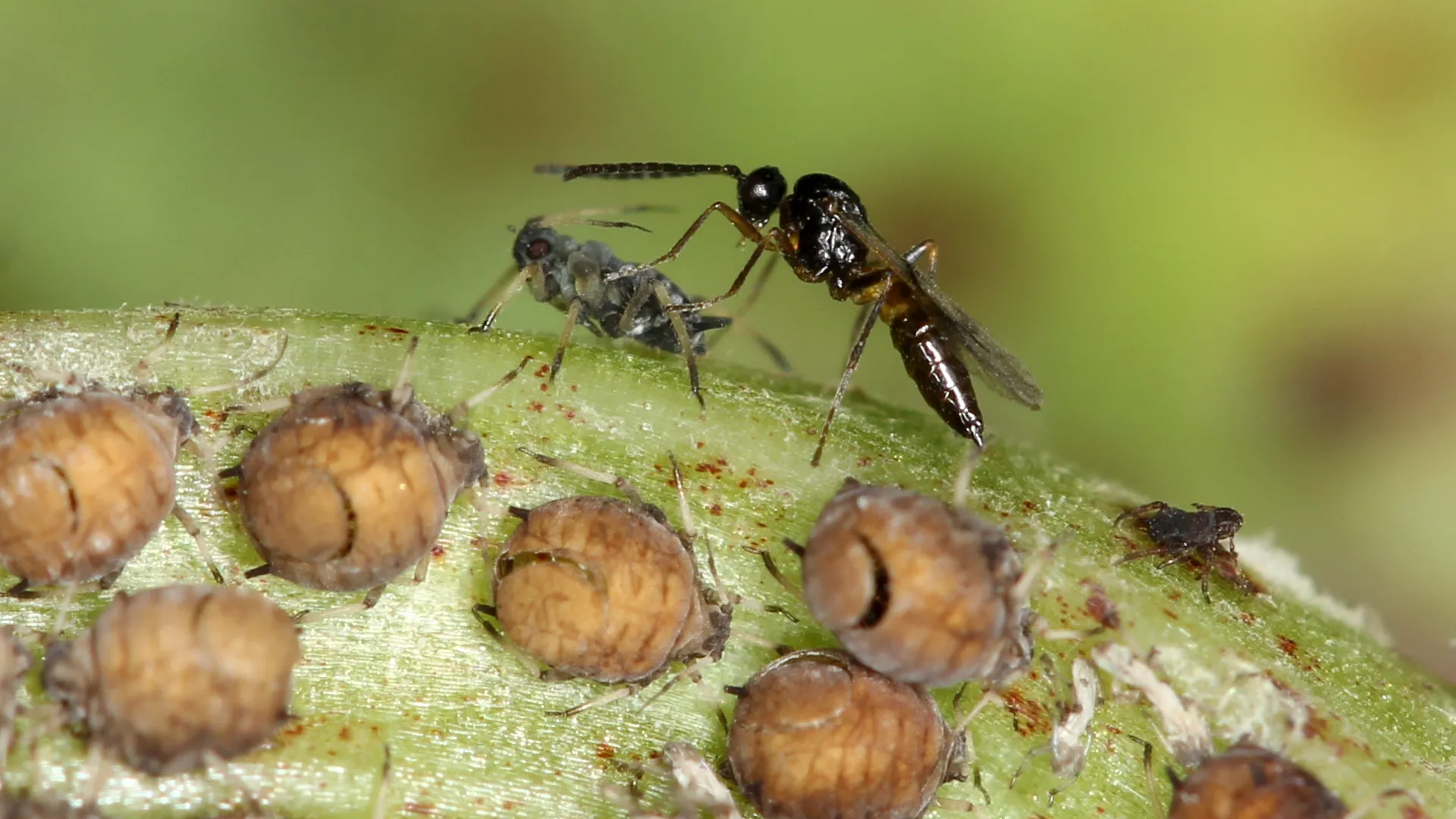
A groundbreaking revelation concerning wasp reproduction could substantially enhance natural pest control strategies, offering a sustainable alternative to traditional pesticides. Researchers at the University of Stirling have uncovered new details about the reproductive habits of *Lysiphlebus fabarum*,a tiny wasp species known for its role as a natural aphid predator.
Unveiling the Secrets of *Lysiphlebus fabarum* Reproduction
Dr. Rebecca Boulton’s research demonstrates that *Lysiphlebus fabarum* can reproduce both sexually and asexually, challenging previous assumptions about their mating behavior. This finding opens new avenues for improving biological pest control methods,particularly in agriculture and horticulture.
Did You Know? *Lysiphlebus fabarum* wasps lay their eggs inside aphids, consuming them from the inside out, making them highly effective natural pest controllers.
The significance of Sexual and Asexual Reproduction
While asexual reproduction allows for rapid population growth, it limits genetic diversity, which is crucial for adaptation to changing environments. The discovery that asexual female wasps can mate and produce offspring sexually introduces the possibility of boosting genetic diversity in commercially reared wasp lines, making them more resilient and effective pest control agents.
Implications for Biological Pest Control
Many parasitoid wasp species are already mass-reared and released as a natural alternative to pesticides. These wasps lay their eggs on or in other species, many of which are pests, and the developing wasp larvae consume their host, killing it. understanding the reproductive behavior of *Lysiphlebus fabarum* could lead to the advancement of new biocontrol agents tailored to specific regions and pests.
Pro Tip: When dealing with wasp nests, it’s crucial to prioritize safety. If your unsure about handling the situation yourself, consider seeking professional help from a pest control company [1].
The Study’s Methodology and Findings
Dr. Boulton’s team conducted experiments involving around 300 wasps, each approximately 1mm long, placing them in petri dishes with aphid colonies to observe their parasitization behavior. The experiment, spanning two generations of wasps over six weeks, revealed that asexual wasps which mated were, in most cases, reproducing sexually, as confirmed by paternity testing.
| Aspect | Details |
|---|---|
| Wasp Species | *Lysiphlebus fabarum* |
| Reproduction Methods | Sexual and Asexual |
| Pest Control Method | Parasitization of Aphids |
| Study Duration | Six Weeks |
Expert Perspectives on the Wasp Discovery
Professor Anne Ferguson-Smith, Executive Chair of BBSRC, emphasized the real-world relevance of this research, stating that it “opens up promising avenues for more sustainable pest control.” The study, funded through a BBSRC Discovery fellowship, highlights the importance of curiosity-driven research in driving innovation that benefits the environment and food systems.
What other natural methods could be used to control pests in agriculture? How can we encourage more research into sustainable pest control solutions?
The Growing Need for Sustainable Pest Control
As concerns about the environmental impact of traditional pesticides continue to rise, the demand for sustainable pest control solutions is growing. Biological control methods, such as using parasitoid wasps, offer a promising alternative that minimizes harm to the environment and promotes biodiversity. The global pest control market is projected to reach $30.7 billion by 2027, reflecting the increasing investment in innovative and eco-amiable pest management strategies ReportLinker.
The use of integrated pest management (IPM) strategies,which combine various methods including biological control,cultural practices,and judicious use of pesticides,is becoming increasingly prevalent in agriculture. IPM aims to minimize pesticide use while effectively managing pest populations, ensuring sustainable crop production and reducing environmental risks.
Frequently Asked Questions About wasp Pest Control
Are wasps dangerous to humans?
While some wasp species can sting, *Lysiphlebus fabarum* primarily target aphids and pose little threat to humans. Though, it’s always wise to exercise caution around wasp nests and seek professional help if needed [2].
How can I attract beneficial wasps to my garden?
Planting a variety of flowering plants can attract beneficial wasps by providing them with nectar and pollen. Avoid using broad-spectrum pesticides that can harm these beneficial insects.
What should I do if I find a wasp nest on my property?
If you discover a wasp nest on your property, it’s best to avoid disturbing it. Monitor the nest from a safe distance, and if it poses a threat or is located in a high-traffic area, contact a professional pest control service for safe removal [3].
Disclaimer: This article provides general data about wasp pest control and should not be considered professional advice. Always consult with a qualified expert for specific pest management solutions.
Share this article and let us know your thoughts in the comments below! Subscribe to World Today news for more updates on science and environmental innovations.
