Tiger Mosquitoes and Climate Change: 96% of France at Risk of Dengue by 2085
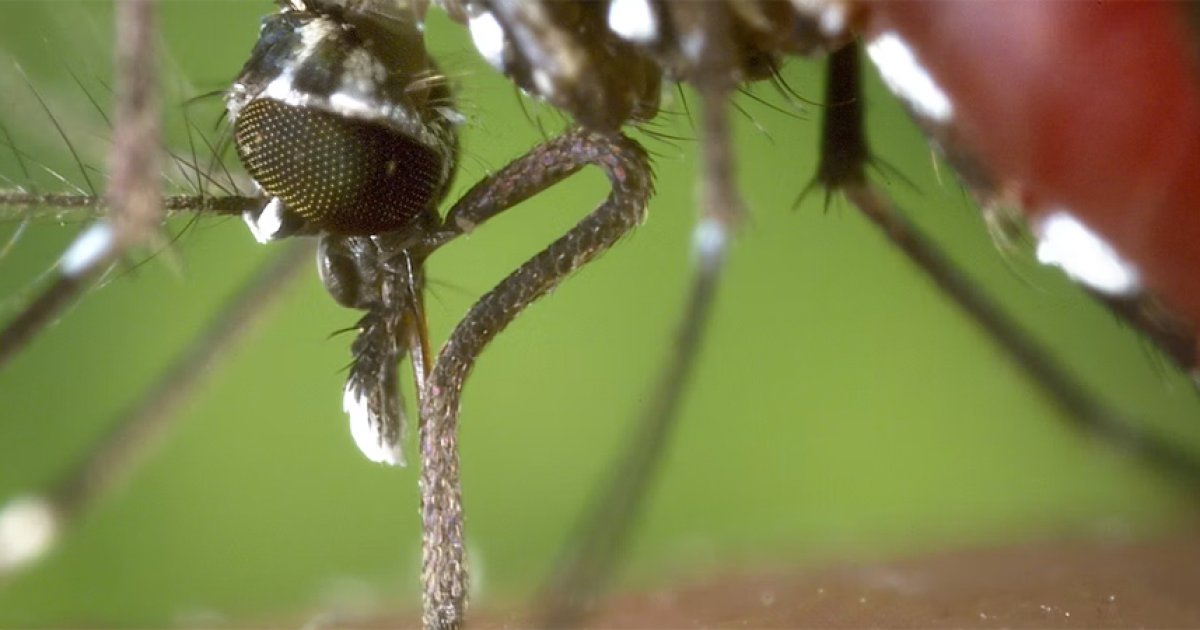
Climate change will likely expand the geographic range of the tiger mosquito to cover up to 96 percent of metropolitan France by 2085, according to a predictive epidemiological study published on September 26, 2026, by Andrea Radici, an epidemiological modeler at the Institut de recherche pour le développement (IRD) in The Conversation. The expansion of this vector, known scientifically as Aedes albopictus, significantly increases the public health risk for vector-borne diseases such as dengue, Zika, and chikungunya across almost the entire French mainland.
- A vast majority of metropolitan France could become favorable territory for the tiger mosquito by 2085 under high-emission climate projections.
- Rural and periurban zones face higher transmission vulnerability than major urban centers because individual mosquitoes bite smaller populations repeatedly.
- Milder winters driven by rising global temperatures threaten to eliminate the hibernation period, potentially keeping mosquito populations active year-round.
Epidemiological Risk Modeling Under IPCC Climate Scenarios
First introduced to France accidentally in 2004, Aedes albopictus has steadily colonized parts of the European continent. To forecast its future distribution, researchers utilized mathematical models incorporating meteorological projections from the Intergovernmental Panel on Climate Change (IPCC) spanning the next sixty years. The study distinguished between a high-pressure scenario projecting a 3°C temperature increase between 2066 and 2085 compared to the 1986–2005 baseline, and a medium-pressure scenario projecting a 1.8°C increase.

Under the high-pressure trajectory, a significant majority of French territory will provide favorable conditions for the establishment of the tiger mosquito. Under the medium-pressure trajectory, favorable territory expansion stabilizes at lower levels. As continental temperatures increasingly mirror tropical environments where the species evolved, biological development accelerates, adult lifespans lengthen, and biting frequency increases.
Urban Versus Rural Transmission Dynamics
While dense urban environments house larger aggregate populations of mosquitoes, the simulation data indicate that rural and periurban zones carry a higher relative vulnerability for disease transmission. In less densely populated settings, each vector feeds on a smaller pool of human hosts repeatedly. This concentrated exposure amplifies the potential for localized outbreaks of dengue, Zika, and chikungunya. Geographic expansion is expected to impact all colonized areas with the exception of high-mountain regions, certain northern interior areas, and potentially the English Channel coast.

The research team at Montpellier is collaborating with local authorities, public health officials, and vector control agencies to translate these mathematical models into operational public tools, including a prospective mosquito activity index for citizens.
Disclaimer: The information provided in this article is for educational and scientific communication purposes only and does not constitute medical advice. Always consult with a qualified healthcare provider regarding any medical condition, diagnosis, or treatment plan.