Tick-Borne Diseases: Prevention, Diagnosis, and Management Guide
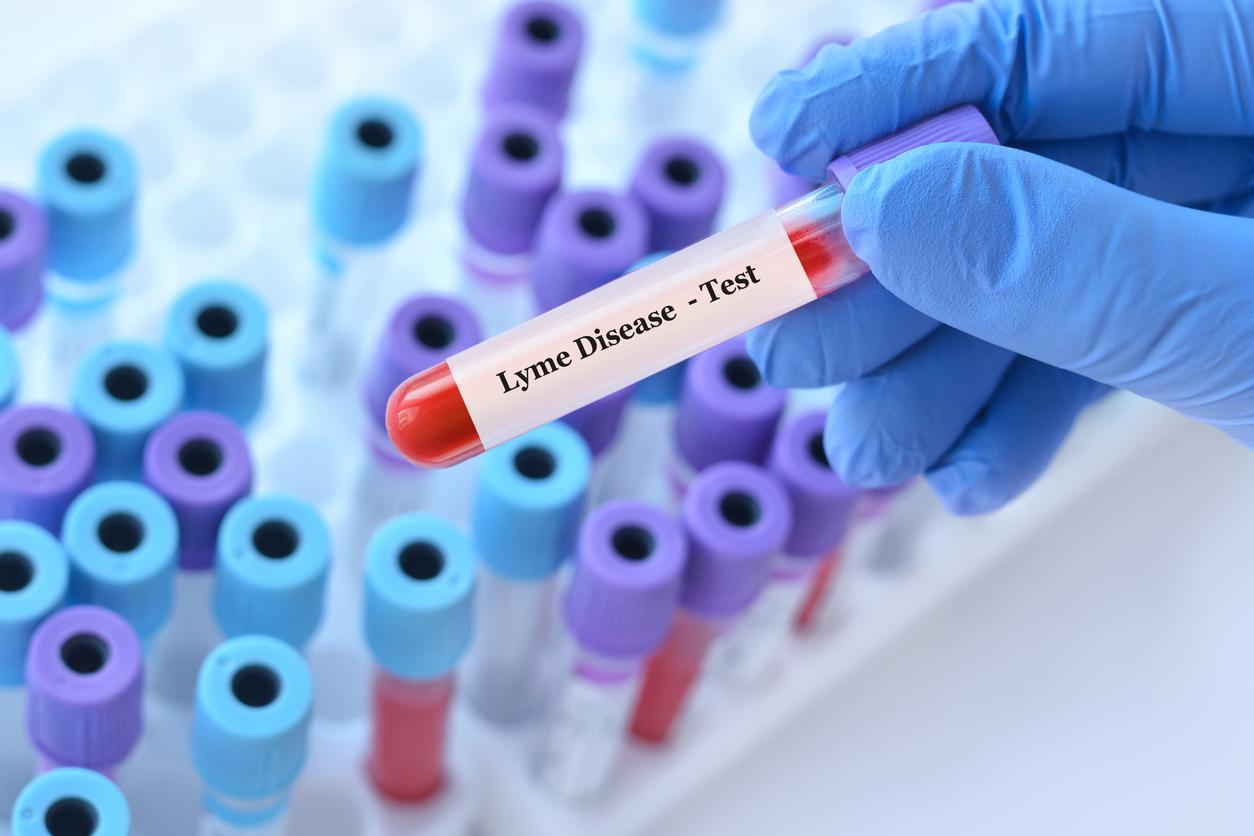
Clinical diagnostic protocols for Lyme disease are currently undergoing a rigorous re-evaluation as researchers address the historical limitations of serological testing in the early stages of Borrelia burgdorferi infection. While current standards rely heavily on the detection of antibodies, the diagnostic gap remains a significant hurdle in preventing long-term sequelae. Public health authorities are now intensifying surveillance of tick populations—the primary vectors for this spirochete—to better map the pathogenesis and transmission risks across endemic regions.
- Current diagnostic reliance on serology often results in false negatives during the acute phase of infection, as the immune system requires time to produce detectable antibody titers.
- Early mechanical removal of the tick remains the most effective intervention to mitigate the risk of pathogen transmission, with data suggesting the duration of attachment is a critical variable.
- Integrated surveillance programs, such as those monitoring tick density per hectare, are essential for identifying high-risk zones and informing localized public health interventions.
The Diagnostic Limitation in Early-Stage Infection
The standard of care for diagnosing Lyme disease has historically relied on a two-tiered serological testing algorithm. This approach identifies antibodies against Borrelia. However, this methodology creates a “diagnostic window” where patients may present with clinical symptoms while testing negative due to an insufficient humoral immune response. Medical researchers are now exploring direct pathogen detection methods to improve sensitivity.

For patients navigating this diagnostic uncertainty, particularly those presenting with persistent arthralgia or neurological symptoms following a suspected bite, access to specialized diagnostic consultation is critical.
Tick Vector Management and Environmental Surveillance
Epidemiological data from regions like the Vosges in France highlight an approach to tick management, where researchers collect up to 2 000 ticks per hectare to track the prevalence of various tick-borne pathogens. This granular data allows for a more precise understanding of the risk landscape. According to field reports, the density of tick populations is directly correlated with the probability of human exposure, necessitating robust public health messaging in high-risk areas such as Occitanie.
The biological mechanism of transmission is highly dependent on the duration of tick attachment. Nursing guidance indicates that the likelihood of transmitting Borrelia significantly increases as the tick remains attached to the host. Swift, mechanical extraction remains the primary defense against infection.
Addressing the Pathogenesis and Long-Term Morbidity
The complexity of managing tick-borne diseases stems from the pathogen’s ability to evade the host immune system. When standard antibiotic regimens fail to fully resolve symptoms, patients are often left in a state of clinical limbo. This necessitates a multidisciplinary approach involving rheumatology, neurology, and infectious disease expertise.

Furthermore, the economic and operational burden on healthcare systems is substantial. As diagnostic guidelines evolve to incorporate more sensitive molecular tests, clinical facilities must ensure their diagnostic supply chains are optimized.
Future Trajectories in Diagnostic Research
The future of Lyme disease management lies in the integration of real-time environmental surveillance with rapid, point-of-care diagnostic tools. By shifting from retrospective serology to prospective pathogen detection, clinicians aim to reduce the incidence of late-stage complications. The integration of genomic sequencing of tick populations will likely provide the next breakthrough in predicting localized outbreaks, allowing for preemptive public health warnings. As these technologies transition from research settings to clinical application, the focus remains on closing the gap between initial exposure and the initiation of targeted, evidence-based antimicrobial therapy.
Disclaimer: The information provided in this article is for educational and scientific communication purposes only and does not constitute medical advice. Always consult with a qualified healthcare provider regarding any medical condition, diagnosis, or treatment plan.