
CDC Study: Tdap Vaccine During Pregnancy Prevents Whooping Cough in Newborns
A new Centers for Disease Control and Prevention study published in Clinical Infectious Diseases reveals that Tdap vaccination during the third trimester of pregnancy prevents more than three out of four cases of whooping cough in infants younger than two months old. The findings provide population-level evidence supporting maternal immunization strategies against pertussis during vulnerable neonatal windows.
- Maternal Tdap vaccination during the third trimester prevents 78 percent of whooping cough cases in infants under two months of age.
- The study analyzed U.S. population data spanning from January 1, 2000, to December 31, 2019, marking the first time researchers have looked at U.S. population level trends since the 2011 maternal vaccination strategy began.
- Researchers and public health officials stress that maternal antibodies offer protection for newborns before they are old enough to receive their whooping cough vaccines.
Epidemiological Impact and Clinical Pathogenesis of Infant Pertussis
Whooping cough, or pertussis, is a highly contagious respiratory infection. Infants under two months old face the highest risk of serious complications, hospitalization, and mortality because they aren’t old enough to be vaccinated.
To evaluate the effectiveness of maternal immunization, CDC scientists tracked infant pertussis cases reported between January 1, 2000, and December 31, 2019. The resulting data demonstrated a significant decrease in newborn whooping cough rates following the introduction of maternal Tdap vaccination in 2011. According to the CDC study, administering the vaccine during weeks 27 through 36 of each pregnancy supports the protection of the infant during the immediate postnatal period.
“Getting Tdap during pregnancy offers infants the best protection before they are old enough to receive their whooping cough vaccines,” said Dr. José R. Romero, Director of CDC’s National Center for Immunization and Respiratory Diseases, in a related CDC release. “This protection is critical because those first few months are when infants are most likely to have serious complications, be hospitalized or die if they get whooping cough.”
Safety Profiles and Professional Consensus in Prenatal Care
According to Dr. Oluwatosin Goje, an Ob/Gyn at the Cleveland Clinic, reviewing medical history or utilizing simple antibody blood tests helps healthcare teams determine appropriate vaccination timelines during pregnancy while safely avoiding live-virus formulations.
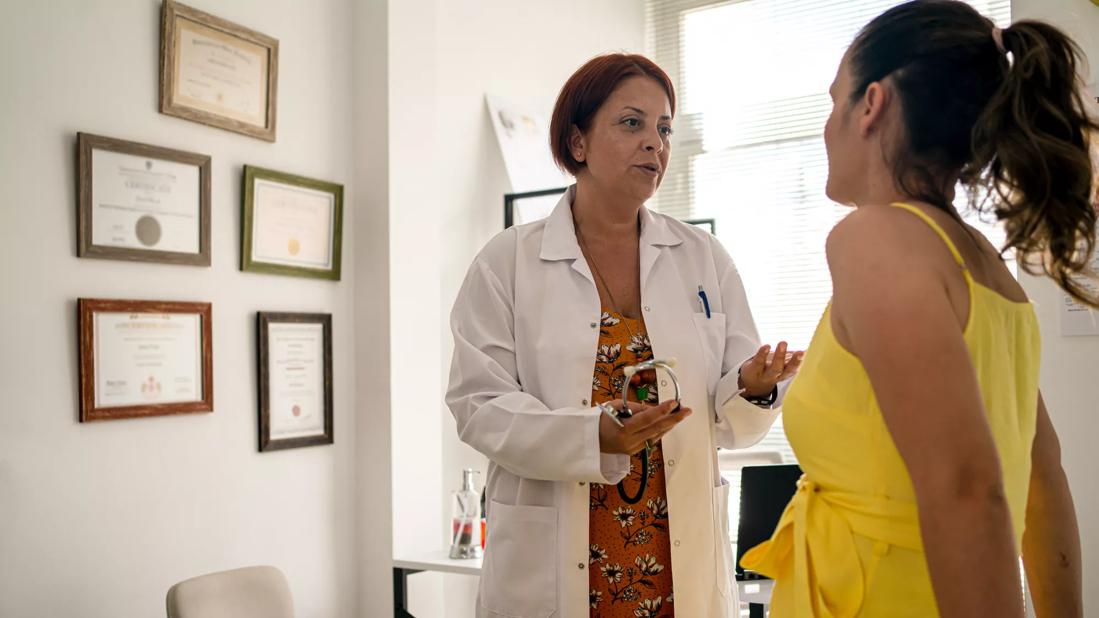
“Everyone who is pregnant should feel confident in knowing that the Tdap vaccine is safe and effective,” stated Dr. Linda Eckert, the American College of Obstetricians and Gynecologists’ liaison to the CDC’s Advisory Committee on Immunization Practices, via the CDC. Eckert noted that Tdap vaccination during pregnancy protects nine in 10 babies from being hospitalized with whooping cough.
Despite these clinical benefits, public health tracking indicates that maternal Tdap vaccination dropped during the COVID-19 pandemic.
Future Trajectories in Maternal Immunization and Neonatal Protection
As health agencies and research partners work to increase Tdap vaccination during pregnancy, surveillance of infant morbidity trends continues to guide immunization policy. Maintaining high immunization coverage among all people in close contact with infants further establishes a protective cocoon around vulnerable newborns.

*Disclaimer: The information provided in this article is for educational and scientific communication purposes only and does not constitute medical advice. Always consult with a qualified healthcare provider regarding any medical condition, diagnosis, or treatment plan.*