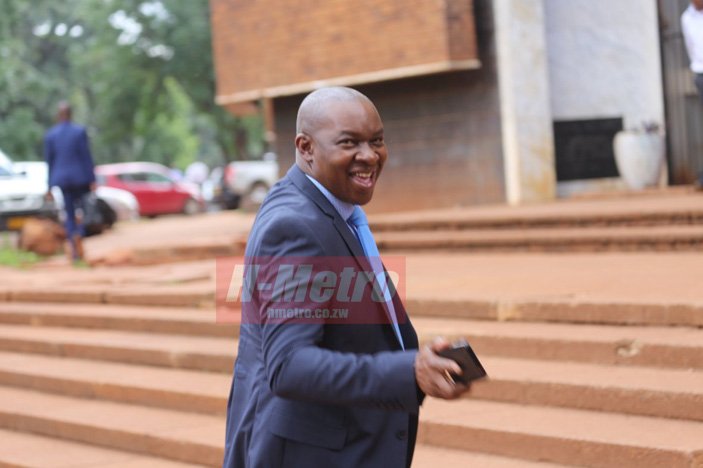
Tich Mataz Charged With Culpable Homicide Over Pedestrian Death
Veteran broadcaster Tichafa Augustine Matambanadzo, known professionally as Tich Mataz, appeared in Harare Magistrates Court on April 14, 2026, facing charges of culpable homicide. The charges follow a July 2024 traffic accident on Samora Machel Avenue in Harare that resulted in the death of 44-year-old pedestrian Daniel Uchena.
The legal proceedings mark a sobering turn for the 56-year-old broadcaster, whose public profile now stands in stark contrast to the gravity of the allegations brought by the state. Here’s not merely a case of a traffic violation; We see a matter of culpable homicide, a charge that centers on the concept of negligence leading to the loss of human life.
The intersection of high-profile status and judicial accountability often creates a complex public narrative. Yet, the focus in the courtroom remains strictly on the evidence of the event that occurred nearly two years prior.
The Anatomy of a Fatal Collision
The incident dates back to July 27, 2024. On that afternoon, Matambanadzo was operating a Toyota Hilux, traveling westbound along Samora Machel Avenue. The vehicle was occupied by the broadcaster and three passengers. As the vehicle approached the vicinity of Odzi Flats in Eastlea, it struck Daniel Uchena.
Uchena, 44, was walking southward along the road when the front right fender of the Hilux collided with him. The impact was severe enough to throw Uchena onto the tarmac.
Medical evidence presents a haunting picture of the collision. Despite the violence of the impact, there were no visible external wounds on Uchena’s body. Instead, the trauma was internal. He was rushed to Parirenyatwa Group of Hospitals, but the internal injuries were too extensive; he was certified dead upon admission.
The physical evidence left on the vehicle tells its own story. The Toyota Hilux sustained a shattered windscreen and significant damage to the front right bumper, corroborating the point of impact with the pedestrian.
The Prosecution’s Theory of Negligence
Prosecutor Charlotte Gomani has laid out a clear case of negligence. The National Prosecuting Authority does not allege an intentional act, but rather a catastrophic failure of duty. The state’s argument rests on three primary pillars of negligence:
- Failure of Lookout: The allegation that Matambanadzo failed to maintain a proper watch of the road and the pedestrians utilizing it.
- Excessive Speed: The claim that the vehicle was traveling at a speed inappropriate for the environment, reducing the driver’s ability to react.
- Lack of Evasive Action: The assertion that Matambanadzo failed to stop or take reasonable action to avoid the collision when it became imminent.
When a driver is accused of failing to keep a “proper lookout,” the court examines whether the driver exercised the degree of care that a reasonable person would have under similar circumstances. In urban areas like Eastlea, where pedestrian traffic is common, the threshold for “reasonable care” is significantly higher.
Navigating these specific legal definitions requires precise expertise. In cases where negligence is contested, the involvement of seasoned criminal defense attorneys is essential to dissect the state’s claims regarding speed and reaction times.
Judicial Process and Next Steps
The appearance before Harare Magistrate Tapiwa Kuhudzai was a procedural milestone. Matambanadzo was summoned to court and the issue of bail did not arise during this specific session. He was not asked to plead at this stage.

The matter has been remanded to May 19, 2026, which is when the trial is scheduled to commence. Between now and May, the legal teams will likely focus on the forensic evidence of the vehicle’s speed and the environmental conditions of Samora Machel Avenue at the time of the crash.
For the family of Daniel Uchena, the wait for justice has been long. The transition from a 2024 accident to a 2026 trial highlights the often-glacial pace of the judicial system in complex homicide cases. For families seeking restitution in the wake of such tragedies, consulting with probate and personal injury lawyers is often the only path toward securing financial and legal closure.
The case is now a matter of public record, documented by outlets including ZimLive and The Herald, ensuring that the proceedings remain under public scrutiny.
The Broader Impact on Road Safety
Beyond the individual tragedy of Daniel Uchena, this case serves as a macro-economic and social warning. Samora Machel Avenue is a critical artery for Harare’s movement. When negligence on such roads leads to fatalities, it prompts a wider conversation about municipal law enforcement and the efficacy of speed traps and pedestrian crossings in the Eastlea area.
The disparity between the internal injuries sustained by Uchena and the lack of external wounds underscores the lethal physics of a Toyota Hilux traveling at “excessive speed.” It is a reminder that the weight and height of such vehicles exponentially increase the risk to pedestrians during a collision.
Accountability in the public eye is a powerful tool, but the true measure of justice will be found in the trial starting May 19. Whether the court finds that Matambanadzo’s actions constituted a criminal level of negligence or a tragic accident will set a precedent for how road fatalities are handled in the city.
As this case moves toward trial, it highlights the precarious balance between a professional reputation and the absolute requirements of the law. No amount of public standing can override the duty of care owed to every pedestrian on a public road. For those currently navigating the fallout of similar legal crises or seeking professional guidance in the wake of a tragedy, the World Today News Directory provides a vetted gateway to the legal experts and civic organizations equipped to handle the complexities of the Zimbabwean justice system.