
Martian “Leopard Spots” Hint at Potential Past Life, NASA Scientists say
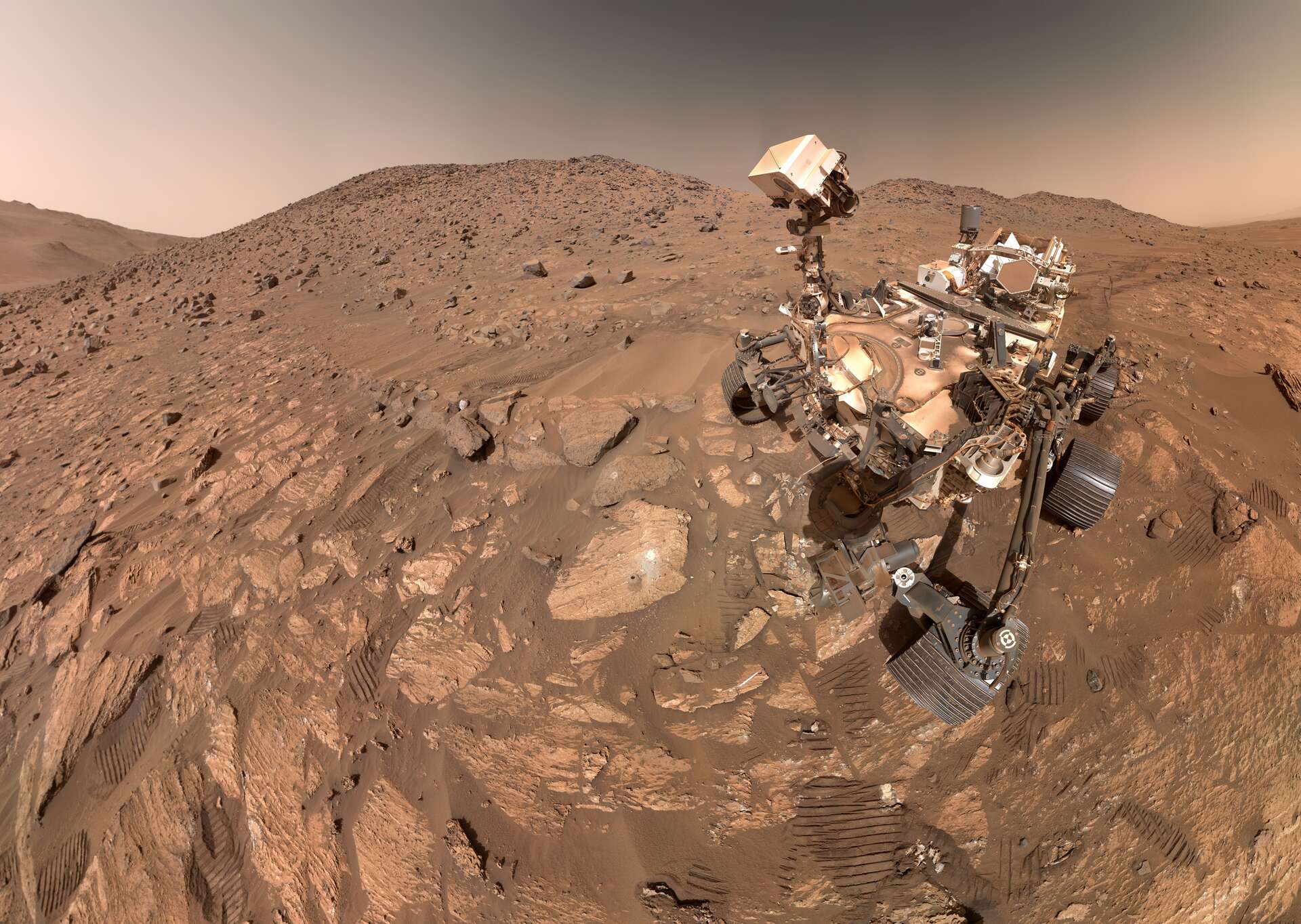
JEZERO CRATER, MARS – Unusual discolorations resembling “leopard spots” observed in rocks within Mars‘ Jezero crater are generating excitement among NASA scientists, as they may represent evidence of ancient biological activity. The findings, stemming from analysis by the Perseverance rover, suggest the patterns could be the result of interactions between organic matter and minerals, perhaps driven by microbial life.
The rover’s observations reveal the presence of vivianite – an iron phosphate mineral – and iron sulfides within the Martian rocks, alongside evidence of organic molecules. On Earth, similar formations are frequently linked to the metabolic processes of bacteria like Geobacter spp. and Shewanella spp., which thrive in oxygen-poor environments and utilize ferric iron (Fe⁺) to oxidize organic matter. This process creates the distinctive coloration seen in terrestrial lake sediments and nodules.
while the origin of the organic matter on Mars remains unknown, its early availability is crucial, as it would have been necessary to participate in redox (reduction-oxidation) reactions. The presence of these “leopard spots” doesn’t constitute definitive proof of past life, but researchers classify them as potential biosignatures – characteristics consistent with biological processes.
“It is therefore not uncommon to find vivianite nodules in lakes or sediments,” researchers note,drawing parallels to terrestrial environments. “These analogues reinforce the idea that the ‘leopard spots’ of Martian rocks could be the result of interactions between organic and mineral matter, with possibly the intervention of a biological activity.”
Confirmation will require more detailed analysis, specifically through the return of Martian samples to Earth for advanced isotopic and spectroscopic examination. This would allow scientists to definitively determine whether the observed patterns are indeed indicative of past life on the Red Planet. The Perseverance rover is currently collecting samples as part of the Mars Sample Return campaign, a collaborative effort between NASA and the European Space Agency.
