Third Human Case of West Nile Virus Reported in Massachusetts
According to the Massachusetts Department of Public Health, the first human case of the season was recorded earlier this month in a man in his 90s, followed by a second case involving a man in his 60s.
Rising Risk Profiles Across Middlesex County
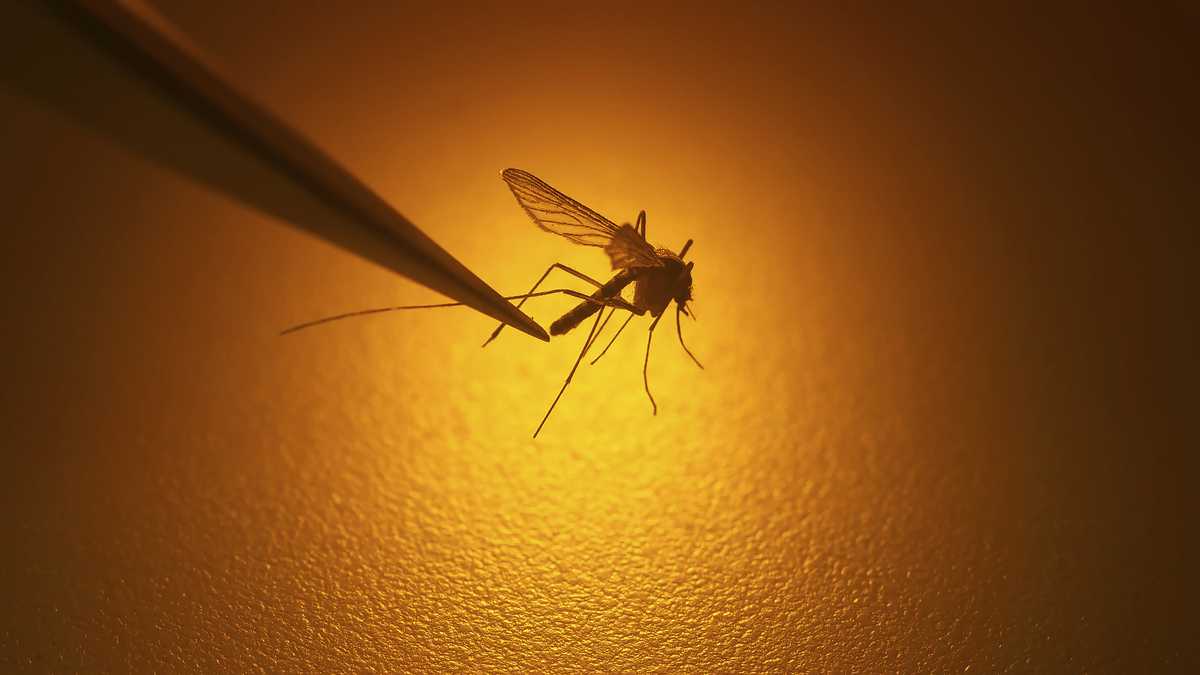
Dr. Bisola Ojikutu, the Boston Public Health Commissioner, noted that while most West Nile virus infections remain asymptomatic, the virus poses a genuine danger to older populations and those with compromised immune systems. The virus, which is transmitted through the bite of an infected mosquito, can lead to severe neurological conditions such as encephalitis or meningitis. Between 2015 and 2024, the state documented 142 human cases, underscoring the necessity of persistent vigilance during the late summer months.
Infrastructure and Environmental Mitigation
The transmission of WNV is inextricably linked to local environmental conditions. Mosquitoes thrive in stagnant water, making the management of residential and municipal water sources a primary defense strategy. For homeowners and property managers, the current spike in cases necessitates a proactive approach to site maintenance.

State guidelines emphasize that residents should inspect rain gutters, flowerpots, and birdbaths, as these are frequent sites for mosquito larvae development. For those operating commercial properties or large estates, the scale of risk management often exceeds DIY capabilities.
Navigating Public Health Recommendations
Health authorities have issued specific behavioral directives to minimize exposure. Because mosquitoes are most active from dusk to dawn, officials recommend rescheduling outdoor activities during these hours. When being outdoors is unavoidable, the use of repellents containing DEET, picaridin, or oil of lemon eucalyptus is advised. Protective clothing, including long sleeves and pants, remains an effective, non-chemical barrier.

The Massachusetts Department of Public Health provides ongoing surveillance data and risk maps for the public to monitor.
Community Protection and Veterinary Care
The threat is not limited to human populations. Animal owners, particularly those with horses, are encouraged to consult with their veterinarians regarding vaccinations and approved repellents. Keeping animals in indoor stalls during peak mosquito activity hours is a recommended measure to reduce the risk of transmission. As municipal authorities continue to monitor the spread, the intersection of public health policy and private property maintenance will remain a critical focal point for community safety.
For those seeking guidance on managing property-wide risks or establishing long-term health safety protocols, professional oversight is essential.
As the summer progresses, the combination of environmental factors and human activity will continue to dictate the trajectory of this outbreak. Vigilance remains the most effective tool in the state’s arsenal, as the transition toward cooler temperatures does not immediately eliminate the risk of exposure.