Theban Tomb Reveals Evolution of Ancient Egyptian Burial Trends
Theban Tomb 209 Excavation Reveals Ancient Egyptian Burial Evolution
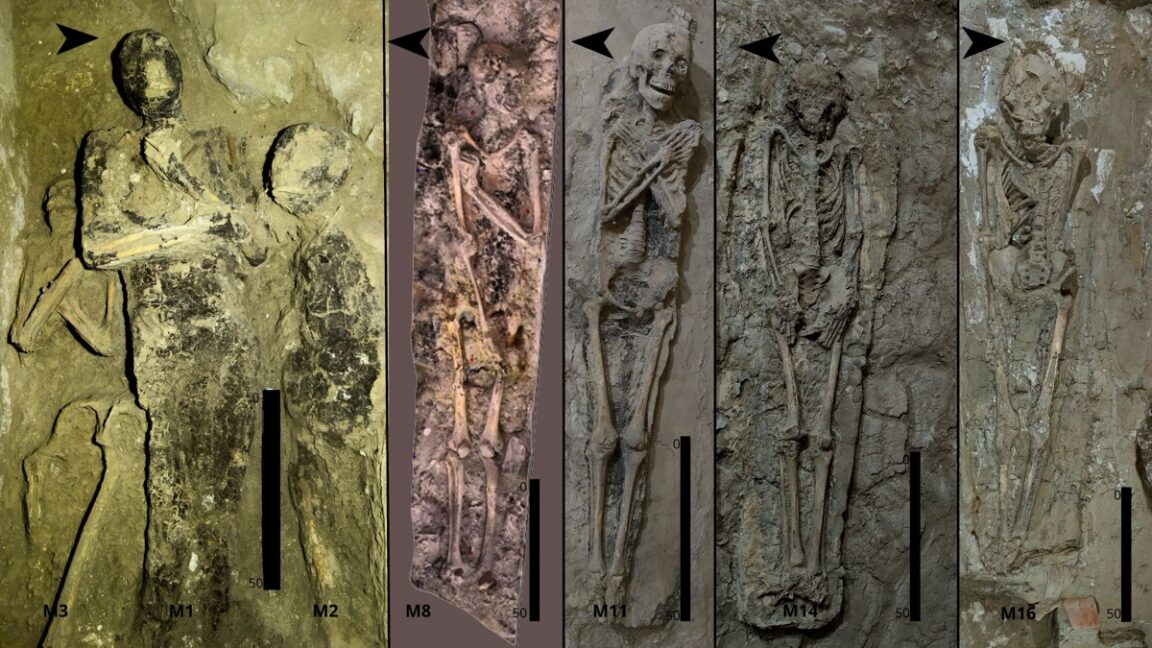
According to a study published in the journal Frontiers in Environmental Archaeology, researchers analyzing Egypt’s Theban necropolis have uncovered new data on how ancient burial trends shifted over centuries from individual coffins to dense, reused tomb sites. The research focuses on Theban tomb 209, located in the western necropolis and dating from the early 25th Dynasty through the Ptolemaic period.
The Tech TL;DR:
- Necropolis Data: Egypt’s Theban necropolis contains over 400 tombs, providing a baseline for archaeological tracking.
- Methodology Shift: Researchers utilized an integrated archaeothanatological approach to map stratigraphic relationships, body positions, and coffin use in Side Chamber 3.
- Structural Challenges: The site, originally associated with Nisemro, faced centuries of repeated flash flooding due to its location in an active Wadi Hatasun drainage channel.
Stratigraphic Analysis and Site Complexity in Wadi Hatasun
Theban tomb 209 dates back to the early 25th Dynasty (754–656 BCE) and was ultimately abandoned in the Ptolemaic period (305–30 BCE). Archaeological investigation of the western necropolis reveals environmental pressures on the site. Because the structure sits within an active drainage channel of the Wadi Hatasun, it was subjected to repeated flash flooding over the centuries. This hydrological activity complicated the preservation of human remains and shifted physical layouts.
To untangle the chronological sequence of interments within these complex environmental conditions, the paper’s authors deployed an integrated archaeothanatological framework. This methodology combines osteological analysis with mapping of body positions, coffin use, and the physical superposition of remains. Rather than treating the tomb as a static monument, the team tracked how later generations repurposed the space, shifting away from single-occupant elaborate interments toward high-density communal reuse.
Shifting Burial Trends Across Dynastic Eras
The transition documented in tomb 209 highlights a broader evolution in ancient Thebes. Earlier phases of the necropolis favored individual burials housed within elaborate coffins. However, as available space diminished and sociopolitical structures shifted across the dynasties—spanning from the administration under Nisemro through the subsequent Ptolemaic era—later inhabitants altered their deposition strategies.
Instead of excavating fresh chambers, communities favored reusing existing subterranean architecture. This practice led to overlapping interments, disrupted original contexts, and created dense clusters of skeletal elements requiring spatial analysis to sequence accurately. Focus centered specifically on Side Chamber 3, noted in the study as one of the primary secondary areas that remained largely undisrupted, thus offering a reliable stratigraphic record.
Methodological Execution and Analytical Pipeline
The research methodology relied on cross-referencing osteological datasets with physical stratigraphy. By examining how bones articulated or disarticulated within the mud-silt layers deposited by Wadi Hatasun floods, archaeologists determined whether bodies were buried intact in coffins or moved post-decomposition to make room for subsequent arrivals. This approach bridges traditional field archaeology with quantitative spatial modeling.
Editorial Kicker: The Future of Computational Archaeology
Worth a look