
Psychedelic Therapy Boom Raises Concerns Over Unqualified Practitioners
CAPE TOWN, SOUTH AFRICA – A rapidly expanding, largely unregulated market for psychedelic-assisted therapy is raising alarms among mental health professionals, as individuals with limited or no formal training offer services promising profound healing. While research into the therapeutic potential of substances like psilocybin and ayahuasca grows, a parallel industry is flourishing, attracting vulnerable individuals seeking relief from conditions like depression and anxiety – and possibly exposing them to harm.
The surge in demand for these alternative treatments, fueled by anecdotal success stories and a desire for faster results then conventional therapies can offer, is creating a space where unqualified individuals are stepping in as guides or facilitators. experts warn that this trend risks exacerbating mental health issues and could lead to psychological distress, particularly for those with pre-existing conditions. The core issue is a lack of standardized training, certification, and oversight, leaving clients susceptible to exploitation and potentially perilous practices.
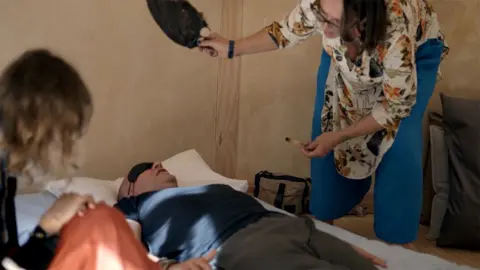
Stuart Dod,a participant in a psychedelic “journey” facilitated in a Cape Town cabin,described the experience as a step toward self-awareness,stating,”I wanted to get [more] self-awareness and understand myself. I can feel that its kind of opening stuff up, where I probably will do another journey as well after this.” However, he also acknowledged he doesn’t yet feel “healed.”
Concerns center on individuals who, lacking medical or psychological backgrounds, present themselves as capable of providing therapeutic interventions. One expert noted that the moast problematic practitioners exhibit “narcissistic inflation,” believing they can outperform trained psychiatrists and offer superior care. This belief, coupled with the absence of regulation, creates a dangerous dynamic where clients may be receiving guidance from individuals ill-equipped to handle complex emotional or psychological responses.
The BBC inquiry highlights the growing need for clear guidelines and regulations surrounding psychedelic-assisted therapy to protect vulnerable individuals and ensure responsible innovation in the field. As research continues and the potential benefits of these substances become clearer, establishing robust standards for training, certification, and practice will be crucial to harnessing their therapeutic power safely and effectively.
