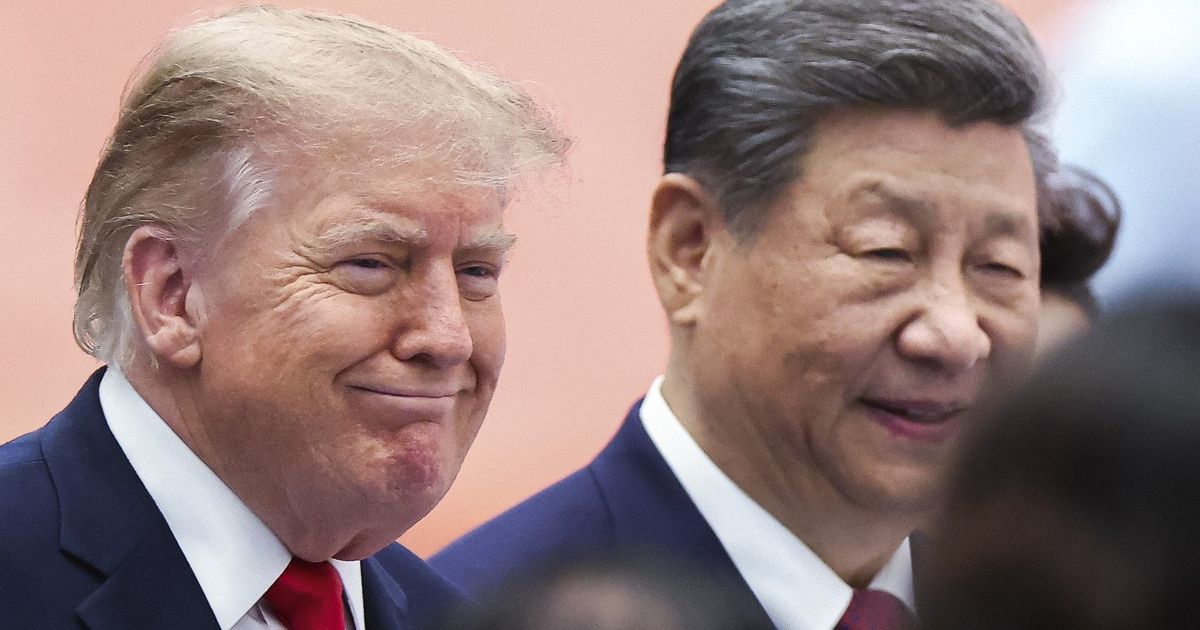
The United States Administration Proposed New Tariffs of up to 20% on Chinese Goods on Wednesday
The United States administration proposed new tariffs of up to 20% on Chinese goods on Wednesday, with officials warning the rate could double to 40% if trade negotiations between Washington and Beijing falter, according to الشرق بلومبرغ.
This move, part of a broader strategy targeting 14 major trading partners, aims to address what the White House describes as structural industrial overcapacity, according to reporting from الشرق بلومبرغ. The proposal would raise the average effective tariff rate on Chinese imports to approximately 31%, a level close to what existed before a recent court ruling, according to Bloomberg Economics estimates.
- The proposed 20% tariff on China aligns with existing trade agreement caps but faces a potential increase to 40% if the current trade truce expires on January 10, 2027, as reported by الجزيرة نت.
- The U.S. Trade Representative (USTR) initiated these investigations on March 11 under Section 301 of the Trade Act of 1974.
- Public comments on the proposals are due by January 5, 2027, with hearings scheduled for January 25, 2027, according to الجزيرة نت.
- Beyond China, the plan targets the European Union, Japan, South Korea, and other economies with proposed rates ranging from 10% to 25%, as noted by annahar.com and الجزيرة نت.
Trade Tensions and Negotiating Strength
Beijing has signaled it is unlikely to take immediate retaliatory measures, as the current 20% proposal remains within the scope of previously established trade agreements. However, Chinese Foreign Ministry spokesperson Guo Jiakun rejected the prospect of new U.S. tariffs on Wednesday, labeling them a "political maneuver" and calling on both sides to cooperate to maintain the trade truce, according to الشرق بلومبرغ.
He also said that the so-called problem of industrial overcapacity "does not actually exist, and should not be used as a pretext for political manipulation."
Scope of U.S. Trade Actions
The proposed tariffs follow a series of investigations into industrial overcapacity that the U.S. claims encourages production regardless of market demand. According to annahar.com, the list of 14 affected partners includes the European Union, India, Bangladesh, Cambodia, Indonesia, Japan, South Korea, Malaysia, Singapore, Switzerland, Taiwan, Thailand, and Vietnam.
The investigations examined structural excess production capacity in the manufacturing sectors of 16 economies. U.S. Trade Representative Jamieson Greer determined that the practices of the 14 economies regarding overcapacity in manufacturing sectors are "unreasonable and burden or restrict American trade," according to a statement from the USTR.
The administration’s latest efforts seek to rebuild its tariff agenda after the U.S. Supreme Court invalidated earlier broad tariffs in February, according to الجزيرة نت. Officials said that the new measures are designed to be more legally resilient by utilizing Section 301. While the administration is targeting various economies, certain products such as pharmaceuticals and critical minerals remain exempt from the new duties, as reported by الجزيرة نت.
The proposed rates for other nations include 18% for Cambodia, Indonesia, Malaysia, Thailand, and Bangladesh, while Japan, South Korea, Taiwan, the European Union, and Switzerland face 15% rates based on most-favored-nation status.
India faces a 17% tariff if a trade deal is reached, rising to 25% if negotiations fail, while Singapore faces a 10% rate, according to Reuters. For Vietnam, the office proposed a 20% tariff if a trade agreement is reached with Washington, which would rise to 35% if negotiations fail, according to the agency.

The new proposed rates will not be added to the 10% or 12.5% duties imposed in July under a separate investigation into forced labor in supply chains. Instead, for products subject to multiple categories of tariffs, the higher rate will apply, according to الجزيرة نت.
That July investigation involved accusations that 60 economies failed to take sufficient action to combat forced labor. In a separate action, the USTR proposed a 10% tariff on completed commercial aircraft from Brazil’s Embraer and raised tariffs on Brazilian sugar imports that exceed set quotas.
More on European Union
Keep reading
- Moshe Spern Encountered Demonstration at Brooklyn Deli Fundraiser
- Francesco de Pinedo Completes Record 55,000-Kilometre Flying Boat Tour of Three Continents
- Tariffs Added 2.9 Points to Goods Inflation, About 0.6 to All Prices (daybreakwire.com)
- US Proposes New Tariffs on 14 Trading Partners, Including China (newsy-today.com)