The Strategist: Japan, Australia Should Build Joint Missile Maintenance Hub in Australia
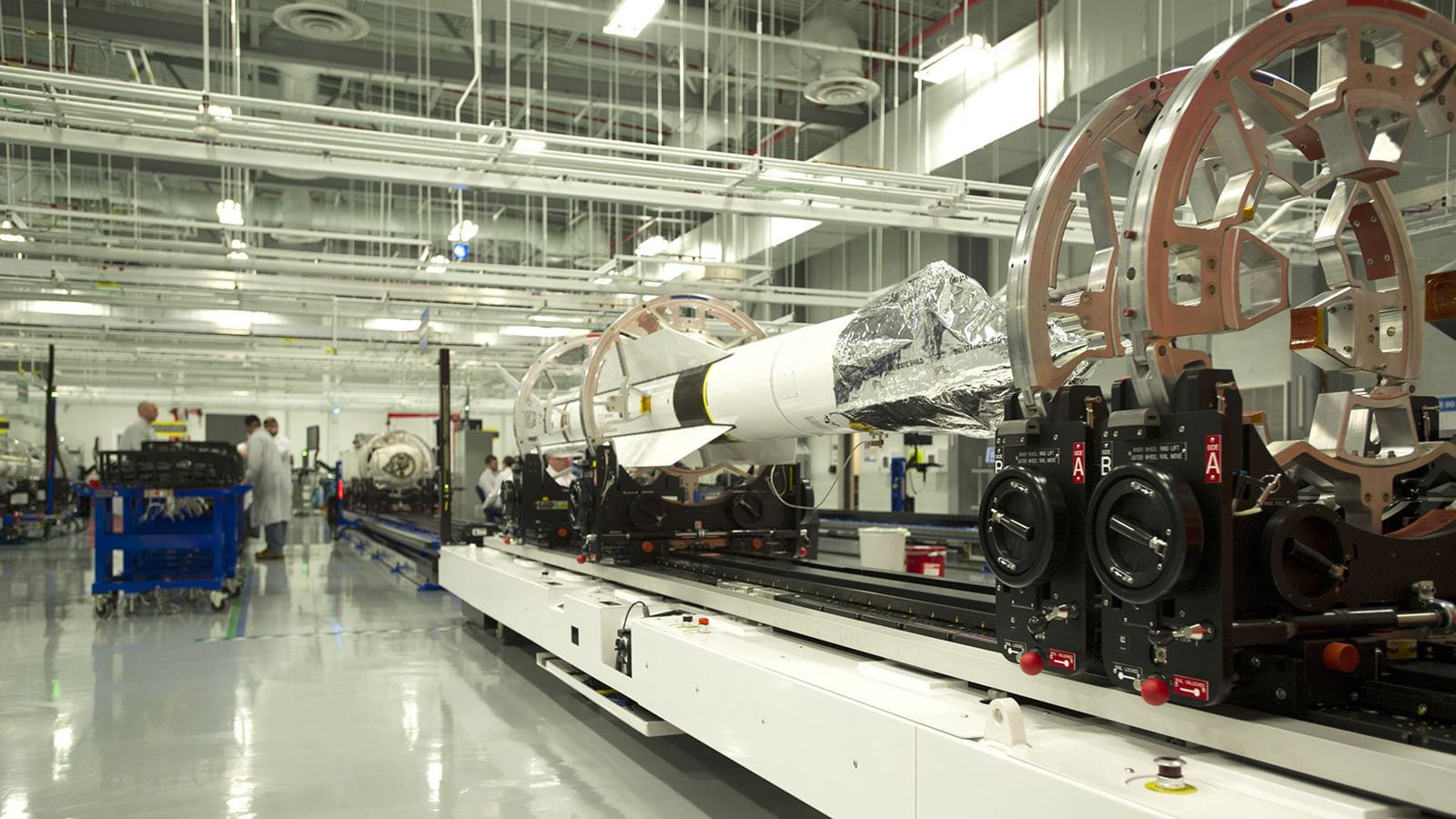
Japan and Australia should establish a joint missile maintenance facility in Australia to service Raytheon SM-2 and SM-6 interceptors, The Strategist reported. The move would reduce reliance on strained US production lines and sustain allied operational stocks during prolonged conflict.
Why current sustainment relies on the United States
For many US-made missiles, major maintenance and recertification must occur in the United States, The Strategist reported. Transporting munitions across the Pacific lengthens turnaround times and reduces the operational stocks available to Japan and Australia.
How US capacity constraints affect allies
US defence facilities may prioritise Pentagon requirements under Defense Priorities and Allocations System ratings as Washington rebuilds depleted inventories, The Strategist reported. That could leave Japanese and Australian munitions waiting longer for servicing.
What production shortfalls look like now
Annual output sits at about 180 Raytheon Tomahawk cruise missiles and 240 Lockheed Martin Patriot-series interceptors, whereas just 125 SM-6s are slated for delivery in 2026, The Strategist reported. Reports in May indicated Tomahawk deliveries to Japan could be delayed by up to two years.
Why Australia is the logical site
Japan has greater missile manufacturing and maintenance capability, but its proximity to China makes its facilities vulnerable in war, The Strategist reported. Australia’s distance offers greater safety for a sustainment hub.
What existing infrastructure supports the plan
A depot at Defence Establishment Orchard Hills already handles much of the SM-2 maintenance workload, The Strategist reported. The investment would build on that infrastructure rather than start from scratch.
How many missiles would need servicing
Through US Foreign Military Sales, Japan and Australia have been cleared to purchase over 470 SM-2 Block IIIB and SM-6 Block I missiles, The Strategist reported. Assuming a five-year maintenance cycle, roughly 90 would require servicing annually.
What the facility would need from Washington
Building the hub would require US support on technical information, certification processes and specialised equipment, The Strategist reported. The project should therefore be pursued trilaterally among the United States, Japan and Australia.