The Story Behind the Prayer from Angelman 2
Winter holidays arrive with predictable cinematic rituals, yet cultural analysts and film fans are quietly revisiting a poignant musical artifact from 2016: “Modlitba,” sung by Vojtěch Dyk in Jiří Strach’s holiday fantasy film Anděl Páně 2. Written by Ondřej Gregor Brzobohatý with lyrics by Slovak poet Ľubomír Feldek, the track once achieved widespread popularity across Czech children’s choirs and gospel ensembles. Today, observers note its presence has noticeably diminished in contemporary public life.
Behind the Silver Screen Genesis
Unlike “Modlitba pro Martu”—whose text was written in 1968 by Petr Rada based on a 1650 work by Comenius—the 2016 “Modlitba” originated specifically for the silver screen. Ondřej Gregor Brzobohatý composed the music and enlisted Ľubomír Feldek, a long-time friend of his father, actor Radek Brzobohatý, to write the lyrics directly in Czech.
The song mirrors the bilingual approach Miro Žbirka utilized in his track “Tento song.” In the film, the prayer is reserved for the very end, prompting director Jiří Strach to urge audiences during the premiere not to leave during the ending credits.
A Minimalist Visual Statement
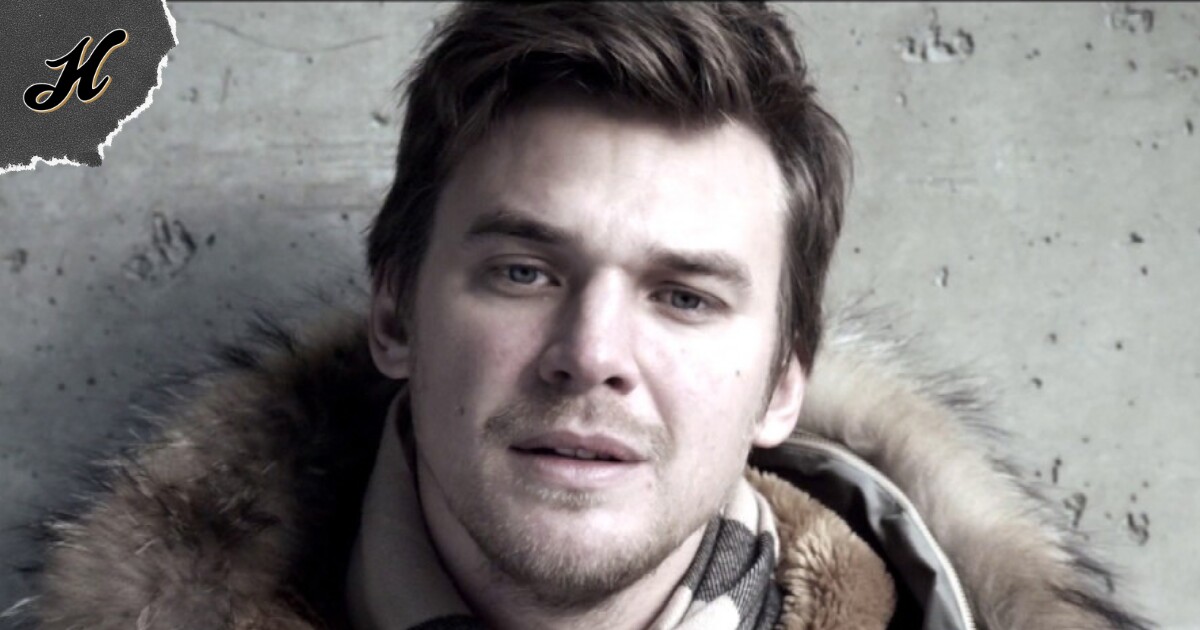
The cinematic release was accompanied by a minimalist music video directed by Strach. In the visual, Dyk appears not in his film role as a párkař, but as himself in a fur coat against a bare concrete wall.
He tosses away a nearly finished cigarette before delivering the vocals in a close-up shot, exiting the frame without the cigarette as if stepping away briefly from filming to offer a prayer.
From Choirs to Cultural Silence
Upon its release, the composition found immediate traction. Before the COVID-19 pandemic, children’s choirs embraced the piece enthusiastically; a South Bohemian choir competition saw three out of five participating ensembles perform the song. Beyond youth groups, the Brzobohatý and Feldek collaboration was adopted by Czech gospel ensembles and performed in grand orchestrations featuring opera vocalists.
Despite its early success, cultural commentators observe that the prayer sounds much less frequently today.