The Magic of Birdsong: Origins, Science, and Mental Wellbeing
Songbirds make up nearly half of the world’s bird life with at least 4,000 species, originating in Australia before spreading globally.
Tracing the Australian Origins of Oscine Passerine Birds
For decades, scientific research regarding avian acoustics heavily focused on the northern hemisphere. However, a major DNA study in 2002 upended conventional wisdom by revealing that all songbirds, also known as oscine passerine birds, originated in Australia before spreading across the world. Tim Low further popularized this research in his 2017 best-selling book, Where Song Began.
Subsequent studies refined this evolutionary picture, suggesting early songbirds radiated outward from Gondwana, the ancient supercontinent encompassing Australia, Antarctica, and South America. Within this lineage, the well-known lyrebird and the rare, ground-dwelling scrub-bird are recognized as the Australian songbirds with the oldest lineage. Today, avian diversity thrives across international hotspots, from the rich bird life of South and Central America—specifically Colombia, Peru, and Costa Rica—to the birds-of-paradise native to New Guinea.
Vocal Learning and the Mechanics of Birdsong
Melody-making birds share a rare biological gift: they learn their songs from parents and peers through vocal learning. Alongside songbirds, only parrots, hummingbirds, humans, elephants, whales, and some bats possess this capability to imitate, alter, and learn sounds. This cognitive trait separates songs from calls, as birds must learn to sing while possessing a relatively innate ability to produce short, meaningful calls used for feeding, nesting, and flocking.
While birdsong traditionally serves practical functions like competing for territory or attracting mates, certain species produce complex sounds far exceeding those basic needs. Familiar species such as Europe’s blackbirds, thrushes, and nightingales have sustained spring choruses celebrated in literature and film, while North American birders prize the flutey flourishes of the hermit thrush and the bell-like notes of the wood thrush.
The Therapeutic Impact of Natural Soundscapes
Beyond ecological study, avian acoustics offer measurable human health benefits. A 2021 review found that tuning into natural soundscapes, including birdsong and fast-flowing water, successfully lowered human blood pressure and heart rate. A 2022 study demonstrated that listening to birdsong for just six minutes improves mental wellbeing, while other research suggests it can reduce stress and sharpen attention.
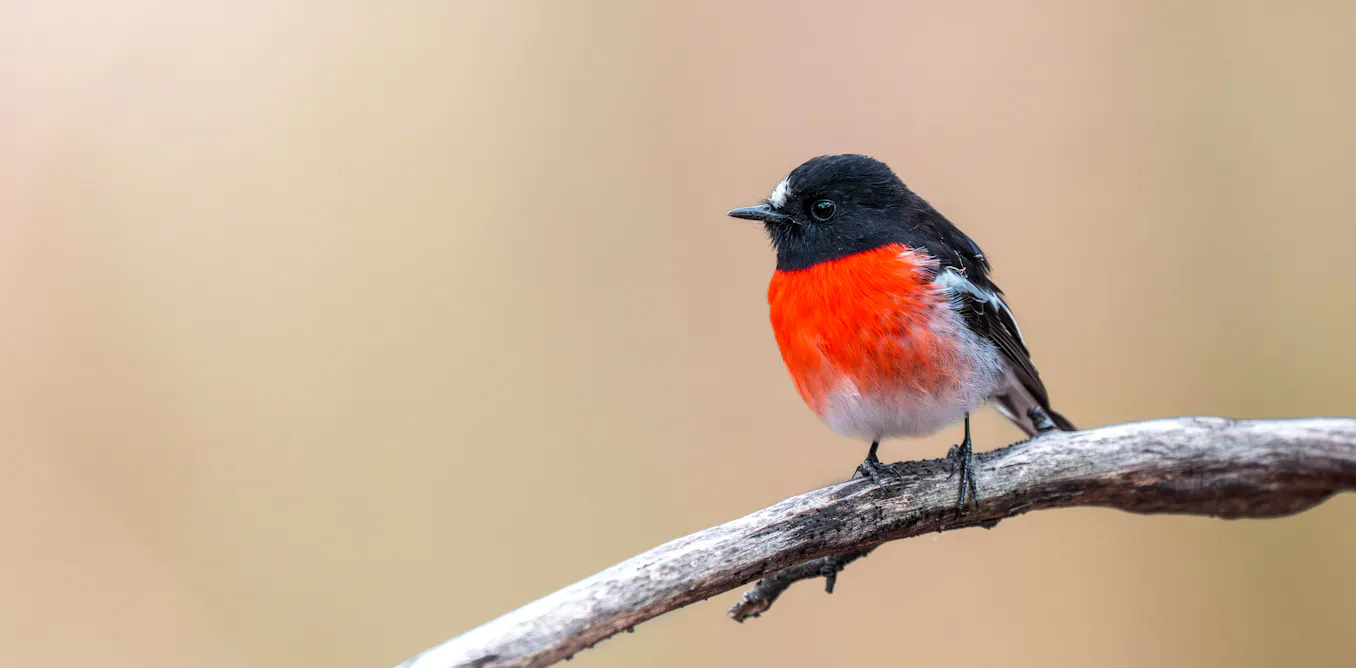
These findings explain the widespread integration of birdsong into meditation applications, films, and public spaces. Experiencing a wild bird’s song remains an ordinary yet majestic encounter, whether hearing a rose robin with its pretty, trill-like song or catching the morning notes of birds perched casually on urban power lines.
Locating and Identifying Global Avian Hotspots
Enthusiasts do not need to traverse the entire globe to experience rich auditory environments. Australia remains particularly dense in birdwatching opportunities across its northern and eastern regions. Resources like Australian Geographic’s top birding locations website and Birdingplaces’ interactive global map help locate hotspots both domestically and abroad.
Morning remains the optimal window for observation when birds are most active, particularly near water sources with dense vegetation and abundant insects. Urban parks and suburban environments also host thriving populations of avian singers, supported by a growing array of online identification tools.