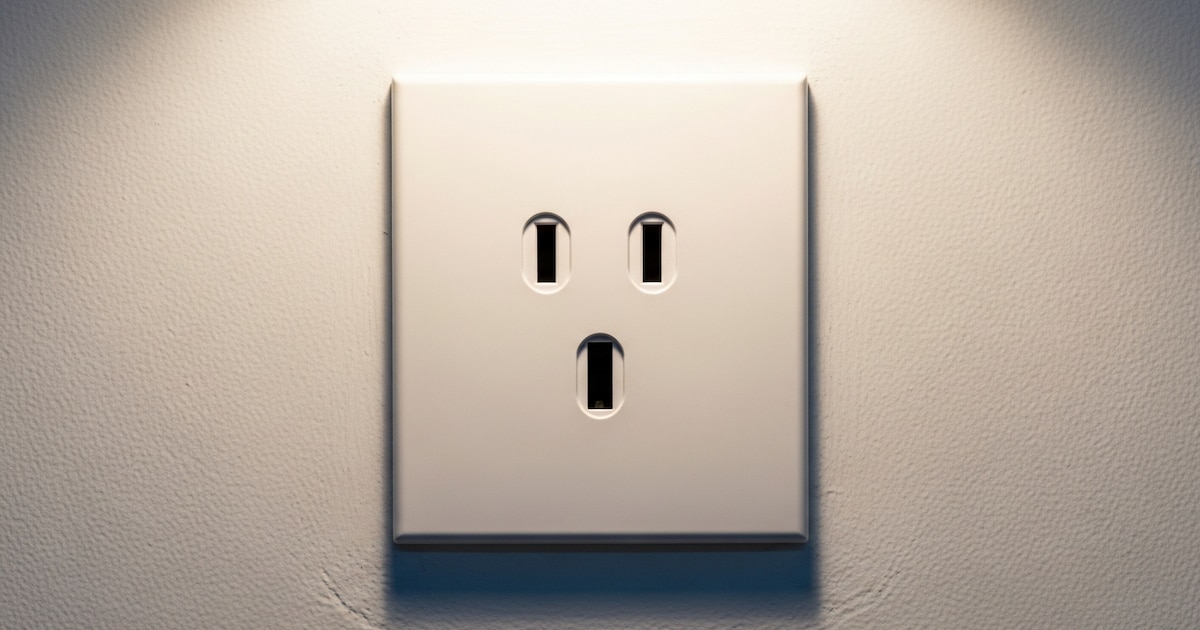
The Science of Pareidolia: Why We See Faces in Objects
The human brain is an aggressive pattern-recognition machine, designed to find order in chaos. When we perceive a face in a cloud or a toaster, we aren’t experiencing a glitch, but rather a highly evolved survival mechanism known as pareidolia—a psychological phenomenon rooted in our deepest neurological architecture.
Key Clinical Takeaways:
- Pareidolia is driven by the Fusiform Face Area (FFA), a specialized region of the brain dedicated to rapid facial recognition.
- This cognitive bias is an evolutionary adaptation designed to prioritize social detection and threat assessment over absolute accuracy.
- While typically benign, extreme patterns of pareidolia can be clinical markers for neurological disorders or sensory processing sensitivities.
At its core, pareidolia represents a fundamental tension between sensory input and cognitive expectation. The brain does not simply record the world like a camera; it predicts it. This predictive processing is essential for survival, allowing ancestral humans to identify a predator hidden in the brush or a peer in the distance long before the image was fully resolved. However, this “hyper-active” detection system creates a clinical gap: the tendency to project meaning onto meaningless stimuli, which can range from harmless amusement to significant psychological distress in certain patient populations.
The Neurobiological Architecture of Pattern Recognition
The primary driver of pareidolia is the Fusiform Face Area (FFA), located in the fusiform gyrus of the temporal lobe. Unlike other visual processing centers, the FFA is tuned specifically to the geometry of faces. When we encounter an object with two dots and a line—the basic “top-heavy” configuration of a human face—the FFA triggers an almost instantaneous response, often bypassing the slower, more analytical parts of the visual cortex.

This process is an example of “top-down processing,” where the brain’s prior knowledge and expectations dictate how it interprets raw sensory data. In a healthy nervous system, the prefrontal cortex quickly corrects these errors, signaling that the “face” is actually a piece of burnt toast. However, the speed of the initial trigger is so high that the emotional response—the feeling of recognition—often precedes the rational correction. This biological mechanism is extensively documented in research published by PubMed, detailing how the brain prioritizes “false positives” (seeing a face where there is none) over “false negatives” (missing a real face), as the latter carries a much higher evolutionary cost.
“Pareidolia is not a failure of perception, but an over-performance of a critical survival tool. The brain is essentially gambling on the possibility of a social presence to ensure it is never caught off guard.” — Dr. Elena Rossi, PhD in Cognitive Neuroscience
Evolutionary Trade-offs and Psychological Morbidity
From an epidemiological perspective, the prevalence of pareidolia is nearly universal, suggesting it is a standard feature of human cognition. However, the intensity of these experiences can vary. In the context of clinical psychology, when pareidolia shifts from seeing faces in clouds to hearing voices in white noise or seeing complex figures in a state of delirium, it may indicate an underlying pathogenesis related to neurotransmitter imbalances or cortical hyper-excitability.
For individuals struggling with sensory processing disorders or those recovering from traumatic brain injuries, the inability to filter out these “ghost patterns” can lead to significant anxiety. In these cases, the brain’s inability to reconcile the sensory input with reality creates a state of cognitive dissonance. Patients experiencing these disruptions should not rely on self-diagnosis but should instead seek a comprehensive neurological evaluation. We recommend consulting with board-certified neurologists to determine if these patterns are benign or symptomatic of a larger neurological dysfunction.
Clinical Implications and Diagnostic Markers
While most pareidolia is a quirk of biology, research funded by various university grants and national health institutes suggests that the degree of pattern-seeking can be a marker for certain personality traits or psychiatric conditions. For instance, individuals with high levels of schizotypy often report more frequent and intense pareidolic experiences. This is linked to a lack of “latent inhibition,” the brain’s ability to ignore irrelevant stimuli.
Understanding the mechanism of action behind this phenomenon allows clinicians to better differentiate between normal cognitive biases and actual hallucinations. A hallucination is the perception of something without any external stimulus; pareidolia, conversely, is the misinterpretation of an existing stimulus. This distinction is critical for the standard of care in psychiatric triage. For those managing complex mood disorders or psychotic spectrum conditions, integrating specialized psychiatric care is essential to stabilize the patient’s perception of reality and reduce the morbidity associated with chronic sensory distortion.
The Intersection of Technology and Perception
As we move toward an era of augmented reality (AR) and advanced neural interfaces, the brain’s tendency toward pareidolia presents a unique challenge for human-computer interaction. Engineers are now studying how to “trick” the FFA to create more intuitive interfaces, but there is a risk of inducing cognitive fatigue if the brain is constantly forced to correct false patterns. This shift in digital interaction requires a multidisciplinary approach, blending software engineering with clinical psychology.
the pharmaceutical industry is exploring how modulating the GABAergic system—the brain’s primary inhibitory pathway—might reduce the hyper-responsiveness of the FFA in patients with severe OCD or anxiety disorders. Such innovations are currently moving through various stages of research, with some pharmacological interventions entering Phase II trials to assess efficacy in reducing intrusive visual patterns. For healthcare organizations and B2B providers looking to integrate these new diagnostic tools into their practice, engaging with healthcare compliance attorneys is vital to ensure that the implementation of new neural-monitoring technologies adheres to evolving patient privacy laws and FDA guidelines.
The phenomenon of seeing faces in the inanimate is a humbling reminder of our biological heritage. It proves that our perception is not a mirror of the world, but a curated interpretation designed for survival. As we continue to map the complexities of the human mind, the study of pareidolia will likely unlock deeper insights into how we perceive identity, social connection, and the very nature of reality. To ensure your cognitive health is optimized, we encourage a proactive approach to wellness through the guidance of vetted medical professionals found in our global directory.
Disclaimer: The information provided in this article is for educational and scientific communication purposes only and does not constitute medical advice. Always consult with a qualified healthcare provider regarding any medical condition, diagnosis, or treatment plan.